

A case a judge called groundless
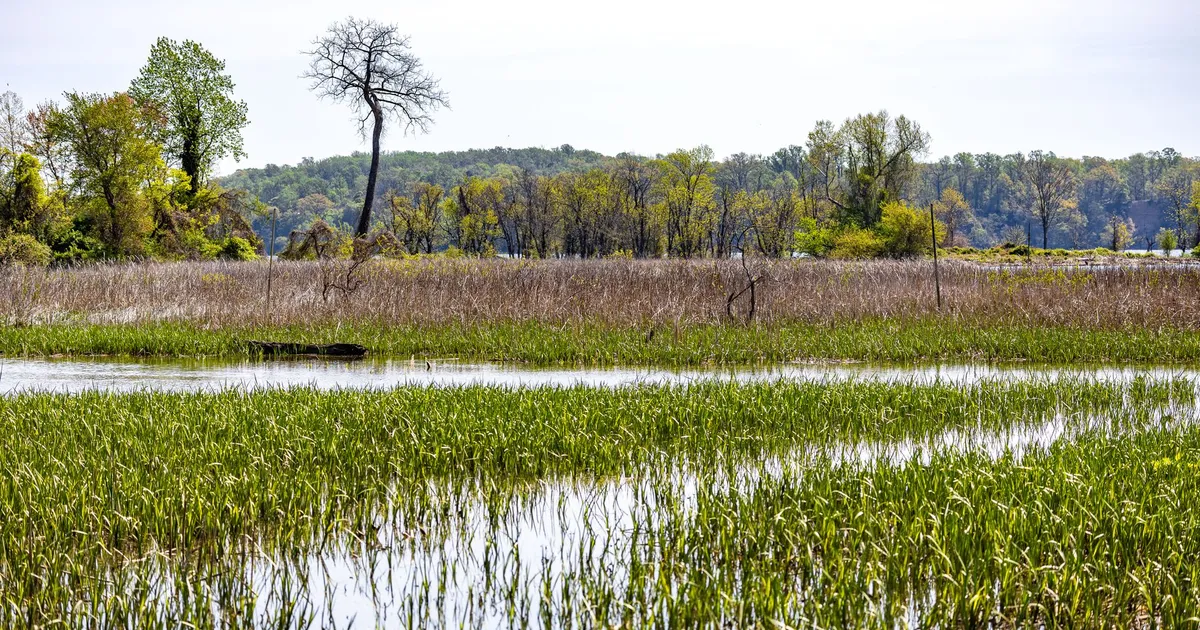
Greater Wellington Regional Council took developer Stu Adams to the Environment Court, alleging his land in Whitemans Valley, Upper Hutt contained a 15-hectare natural wetland that had been damaged and needed protection. In 2022, the court threw the case out entirely. The land was pasture, not wetland, and the judge described the council’s case as “groundless” and “totally devoid of merit.”
The council was ordered to pay $482,000 in legal costs to the other parties. Earlier reporting put the total cost of the enforcement action, before any civil claim, at more than $500,000. That was only the beginning.
The human bill
Adams told the court the litigation had driven him to the brink of suicide. Clients and a large developer walked away from the project, causing what he described as massive financial and reputational damage. He then sued the council for $20 million for defamation, malfeasance in public office and malicious prosecution.
The two sides settled out of court for an undisclosed sum. According to court documents, the settlement was reached in June 2025 for an amount less than the developer’s claimed losses. Four other landowners were also settled with.
Now the council wants its money back
Here is where it gets instructive. Rather than absorb the cost, Greater Wellington has taken its own law firm, Luke Cunningham Clere, to the High Court. The council wants to recover the settlement paid to Adams, the amounts paid to four other landowners, the indemnity costs from the enforcement proceedings, and costs paid to the Crown.
The council’s argument is that it relied on the firm’s advice when it launched the enforcement action, and that the firm’s alleged negligence or breach of its retainer is the basis for recovery. In other words, the public body that ran a case a judge called devoid of merit says it was only following the legal advice it paid for.
Before trial, the firm tried to have a preliminary question decided, namely whether the council must prove it would have lost the Adams case to succeed in its negligence claim. The council disagreed, saying it only needs to show the firm was negligent or breached its retainer. Associate Judge Liz Gellert declined the application, finding it had no prospect of resolving the dispute, and awarded costs to the council. No trial date has been set. Both parties declined to comment.
Against a council already in deficit
The timing matters. Greater Wellington’s 2023-24 annual report shows total assets of $2.57 billion, rates revenue of $211.9 million (up from $180 million the year before), and an operating deficit after tax of $50.259 million. This is a council already lifting rates sharply while running a material deficit. The undisclosed wetland settlement sits on top of that, funded by ratepayers who had no say in the original decision to prosecute.
The accountability gap
The chain here is worth spelling out because it recurs. A council launches enforcement a court finds groundless. A private developer’s business is damaged and he spends years in litigation. Ratepayers fund the settlement. And now the council tries to pass the bill to its law firm, which will argue causation while the council argues reliance. Everyone shifts the cost downstream, and the ratepayer who paid first has no direct recourse at all.
Centre-right commentator Roger Partridge of the New Zealand Initiative has argued that reforms addressing council liability treat symptoms rather than causes, and that councils face structural incentives pushing them toward over-enforcement, becoming involuntary insurers funded by ratepayers when it goes wrong. Lawyers have told BusinessDesk that RMA changes, while welcome, may not go far enough to stop councils pursuing cases without sufficient evidence.
What to watch
For developers, property owners and their advisers, the lesson is blunt. When a public body gets an enforcement action wrong, you carry the cost first and fight for accountability later, if at all. The trial, once a date is set, will test whether professional negligence claims can succeed against advisers who steer public enforcement, and whether the council must prove it would have lost the underlying case. Whatever the outcome, the incentives that produced a groundless wetland case remain unchanged.
Sources
- Council chases its own law firm for negligence in botched wetland case (2026-07-24)
- Land developer sues regional council for $20m over botched court case
- Fight to protect wetland that never existed costs regional council $500k-plus
- Judgment of Associate Judge Gellert – Adams & Ors v Greater Wellington Regional Council
- Greater Wellington Annual Report Summary 2023-24 (2024-11)
- Another Judge-Made House of Cards
- RMA changes welcome but not always far enough, lawyers say