

The United States has completed its formal withdrawal from the World Health Organisation (WHO), ending a partnership that supplied the UN agency with its biggest funding source.
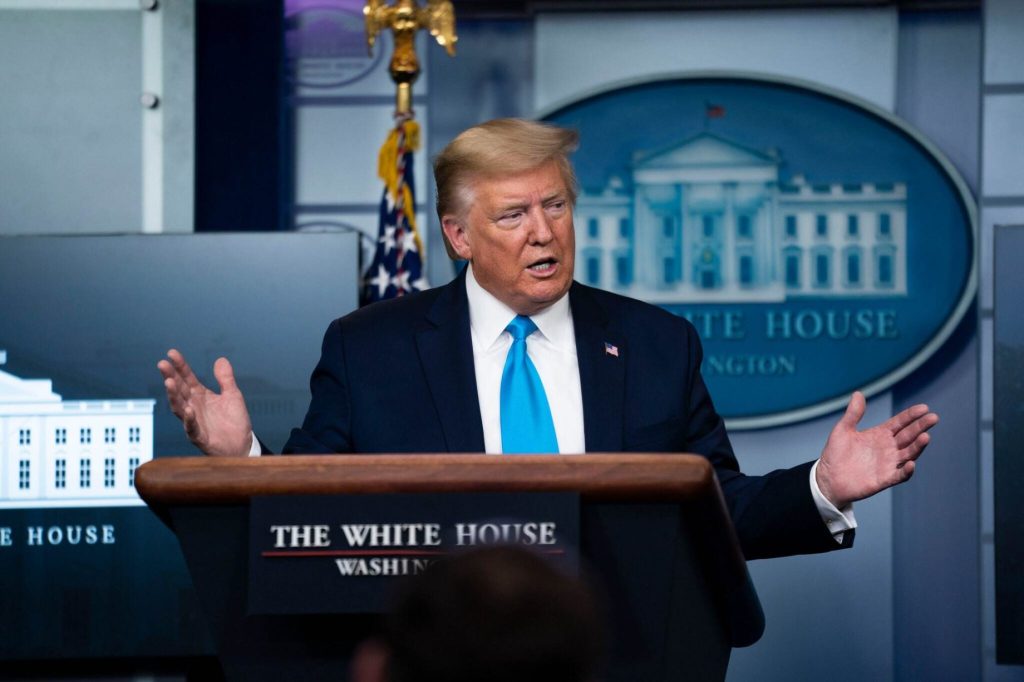
President Donald Trump initiated the process with Executive Order 14155 on his first day back in office in January 2025. He accused the body of favouring Chinese interests during the Covid-19 crisis. The U.S. Department of Health and Human Services blamed the WHO’s pandemic mishandling, resistance to reform, and influence from certain states.
All U.S. funding has stopped, staff have departed from Geneva and global offices, and collaborative projects are suspended. Washington owes about $260 million in unpaid dues for 2024 and 2025, but rejects any repayment duty.
“The WHO tarnished and trashed everything that America has done for it,” stated U.S. Health Secretary Robert F. Kennedy and Secretary of State Marco Rubio in a joint statement. They said the organisation had “abandoned its core mission and acted repeatedly against the interests of the United States,” including failing to return the American flag from its Geneva base.
“Going forward, U.S. engagement with the WHO will be limited strictly to effectuate our withdrawal and to safeguard the health and safety of the American people,” they added.
Director-General Tedros Adhanom Ghebreyesus called the exit a loss for America and the world. The WHO highlighted joint successes against polio, HIV, maternal deaths, and tobacco use. America will now pursue bilateral deals for disease monitoring and partner with NGOs on key health fights, though details are pending.
The U.S. absence marks it out from a 2025 pandemic treaty backed by all other members for fairer vaccine sharing. The WHO board will discuss the split in early February.
The move recalls America’s flawed Covid response—one of the highest death rates worldwide due to delayed lockdowns and partisan policies, with Democratic states enforcing masks and Republican ones easing restrictions.
“The disappointing U.S. response to Covid-19 has been because of a failure of policy and leadership,” said former health official Drew Altman in a 2020 BMJ article. A U.S. research paper cited a “slow and mismanaged federal response.”