

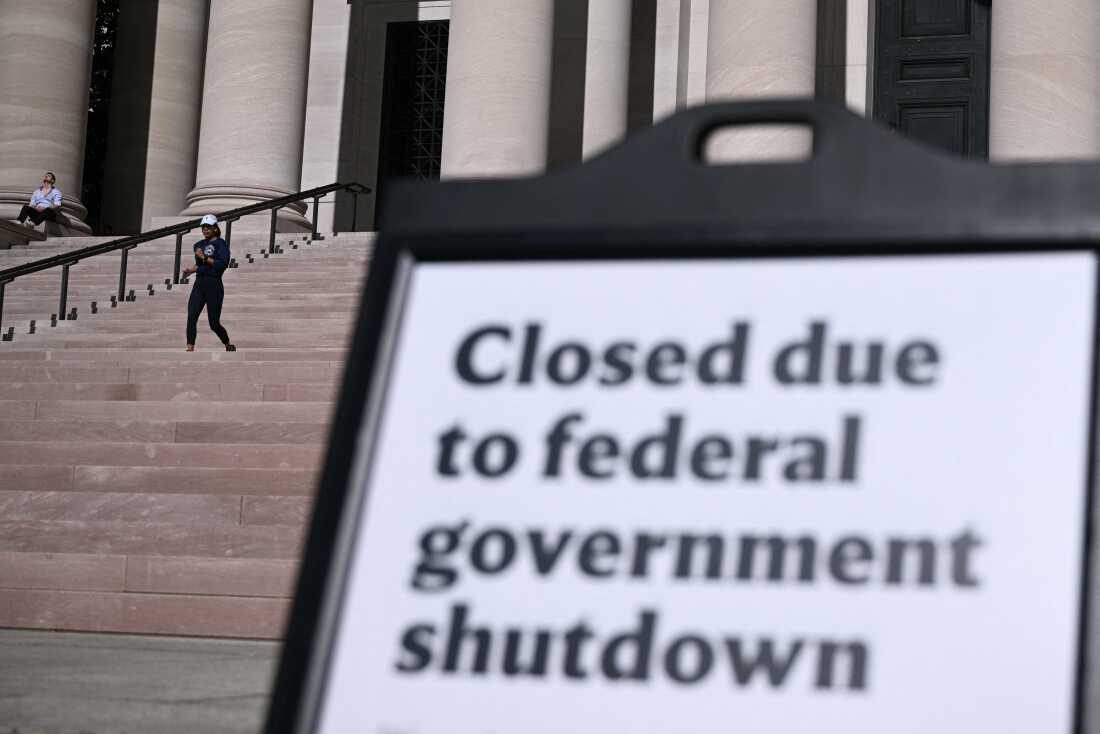
The Senate approved a bill on Monday evening to fund the federal government through to the end of January, ending the longest shutdown in U.S. history. The measure passed by a 60-40 vote, with nearly all Republicans and some moderate Democrats in favour. It now moves to the House of Representatives.
If the House passes the bill, it will be sent to President Donald Trump for his signature. The President has already voiced support for the agreement, which followed weeks of negotiations between Republicans and moderate Senate Democrats after the shutdown began on October 1.
House Speaker Mike Johnson has urged Republican members to return to Washington for a vote expected to start Wednesday afternoon Eastern Time. However, Johnson has avoided committing to a key promise to Democrats—a separate December vote on extending Affordable Care Act subsidies, which currently assist over 20 million Americans with healthcare costs. “I’m not committing to it or not committing to it,” Johnson, R-La., said on CNN.
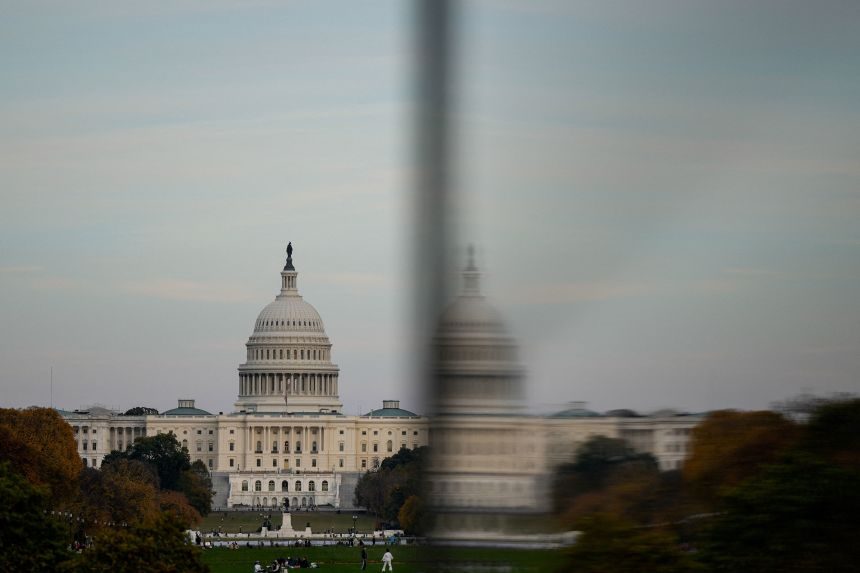
Democrats had opposed reopening the government without guarantees for these subsidies, as the original House Republican plan excluded their extension. Senate Minority Leader Chuck Schumer criticised the deal for not ensuring the subsidies would continue into 2026, warning it would lead to higher insurance costs for many.
The Senate deal restores funding until January, reverses layoffs caused by the shutdown, and guarantees pay for federal workers during the closure. It also introduces bipartisan budget reforms and limits the use of continuing resolutions, which have long been controversial for avoiding long-term fiscal decisions.
Funding for the SNAP food assistance programme, supporting 42 million Americans, is also extended until September.
Under a 2019 federal law, furloughed government employees must be paid for shutdown periods “at the earliest date possible,” easing financial pressures caused by the closure.
The bill’s passage in the House remains uncertain as political debates continue.