


President Donald Trump and Chinese President Xi Jinping are scheduled to meet in Busan, South Korea, in a key effort to ease tensions in their countries’ troubled trade relationship. This is their first face-to-face meeting since Trump’s return to the presidency and his imposition of tariffs on China.
The summit is expected to address tariffs, the trafficking of fentanyl, and China’s export controls on rare earth minerals, which are crucial for technology and defence industries. Treasury Secretary Scott Bessent has described progress towards a trade framework that may include postponing Trump’s threatened 100% tariff hike and easing restrictions on rare earth exports.
China has resumed purchasing U.S. soybeans after months of suspension, with three cargoes recently bought by state-owned COFCO. This signals a possible thaw in agricultural trade tensions, though volumes are still small compared to normal levels. Trump has hinted at lowering tariffs tied to fentanyl controls but did not specify what assistance China would provide.
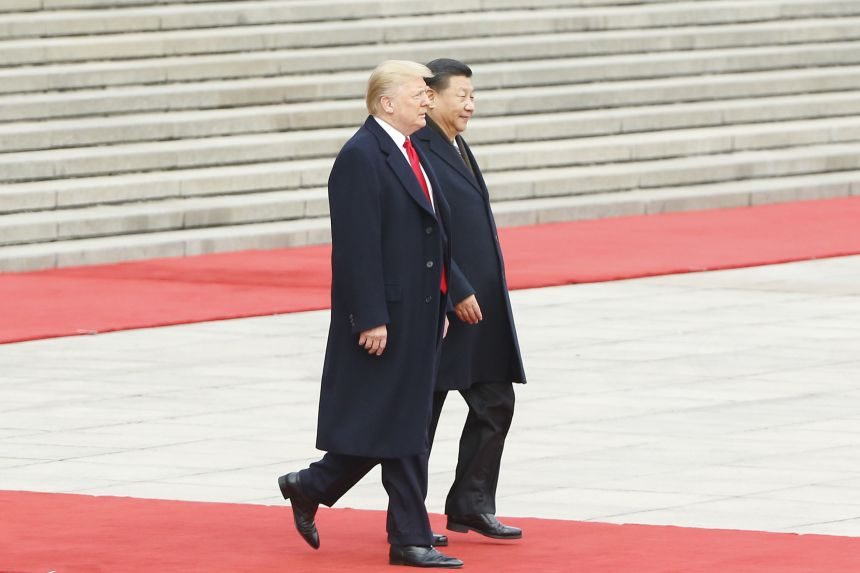
The meeting may last several hours and is seen as a chance to stabilise rather than fully resolve U.S.-China trade issues. Trump expressed optimism, hoping to reach a deal satisfactory to both sides. Discussions on Taiwan are not expected to feature prominently.
Trump’s Asia tour ahead of the meeting included strengthening trade ties with Malaysia, Thailand, Vietnam, and Japan. While announcing agreements in these countries, some claims, such as a large Toyota investment in U.S. plants, have been disputed.
The summit represents a critical test of whether both nations can manage their economic rivalry and set a course for future cooperation amid ongoing geopolitical complexities. Even if immediate breakthroughs are limited, this meeting could pave the way for subsequent negotiations and a more stable bilateral relationship.
The world is watching closely, given the far-reaching implications for global markets and the international economy.