

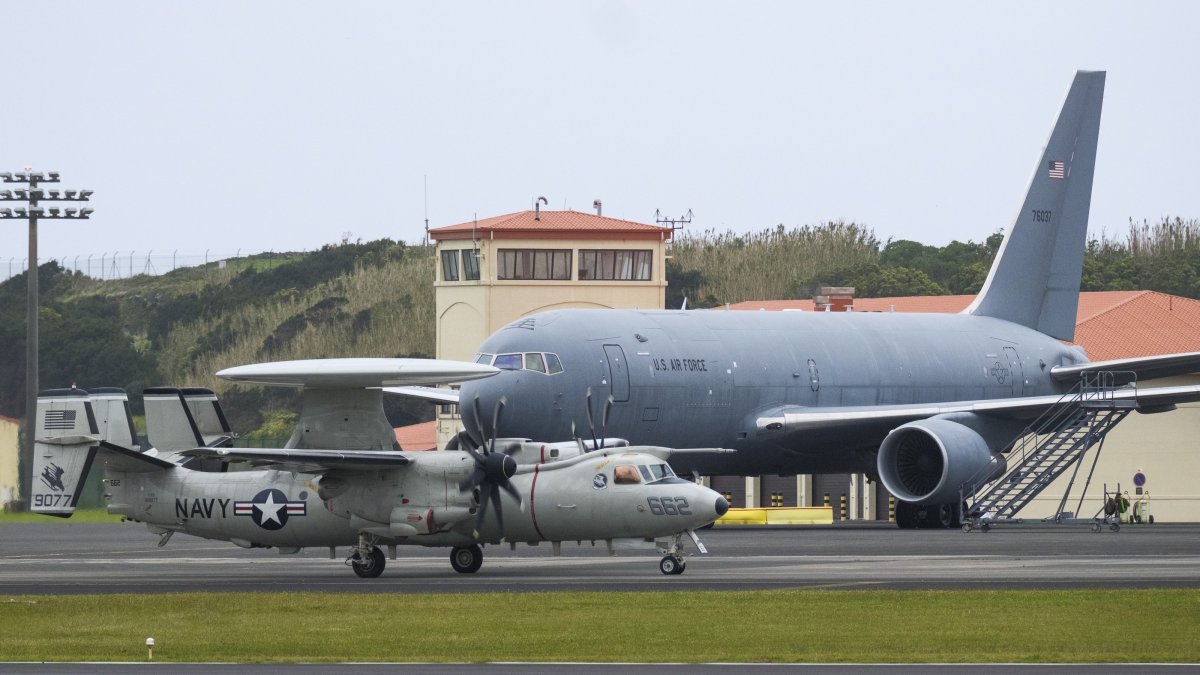
Spain has barred U.S. military aircraft involved in the escalating strikes on Iran from using its airspace, Defence Minister Margarita Robles announced from Madrid. This decisive move also prohibits operations at the key Morón and Rota bases.
“We will not authorise the use of Morón and Rota [military bases] for any acts related to the war in Iran,” Robles said, stressing that Spain had conveyed this firmly to Washington from day one. Foreign Minister José Manuel Albares reinforced the point, explaining that the government seeks to steer clear of anything that might stoke further conflict.
The White House pushed back, with an official telling the BBC that Operation Epic Fury is smashing its objectives and needs no support from Spain or elsewhere.
Relations have soured further after President Donald Trump threatened a full trade blackout on Spain for opposing the late-February U.S.-Israeli offensive. Prime Minister Pedro Sánchez has led vocal European resistance, deeming the attacks reckless and illegal. In early March, he revealed Madrid’s refusal of access to the shared Andalusian bases of Rota and Morón.
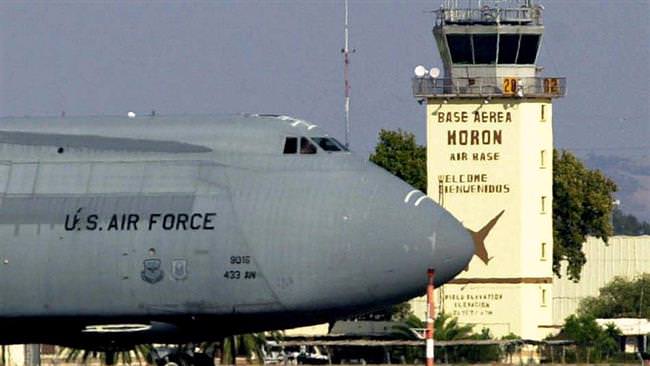
Sánchez went further last Wednesday, stating that “all flight plans that involved actions related to the operation in Iran were rejected—every single one of them, including those of refuelling aircraft.” He added, “We are a sovereign country that does not wish to take part in illegal wars.”
Bombers launching from RAF Fairford in Gloucestershire—cleared by Prime Minister Sir Keir Starmer on 1 March—now detour around much of Iberia, flying over the eastern Atlantic or France, as tracked by aviation monitors. El País reports that only emergencies allow entry into Spanish skies or base landings.
Reflecting on Ukraine, Gaza, and the Iraq war in a 4 March broadcast, Sánchez boiled down Spain’s creed to “no to war.”
Iran’s Madrid embassy signalled goodwill, open to Hormuz Strait favours for law-abiding Spain. This vital waterway handles 20 per cent of global oil, but Iranian drones, missiles, and mines have choked it, slashing flows by 90 per cent according to Reuters and spiking Brent crude beyond $120 a barrel.
The stance echoes EU wariness in Germany and Italy, potentially straining NATO as U.S. midterms approach, say analysts at the Royal United Services Institute.