

The probe nobody wanted
British officials have formally asked New Zealand to explain its renewed oil and gas investment plans, marking the first time a trading partner has activated the environmental provisions of the NZ-UK free trade agreement against Wellington. Three UK ministers raised the issue at an FTA meeting in May, questioning whether the government’s gas policies amount to prohibited fossil fuel subsidies.
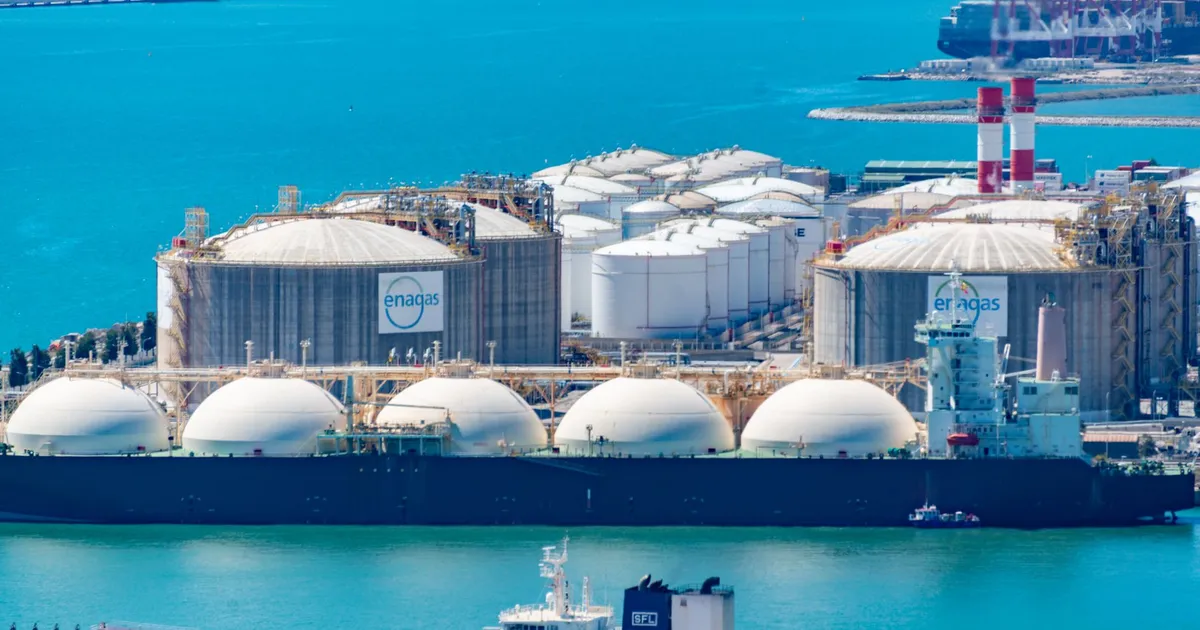
The two measures under scrutiny are a $200 million co-investment fund for new gas field development and a $1 billion LNG import terminal funded by a levy on electricity consumers. Together they represent the coalition’s centrepiece energy security programme. Together they may also violate the treaty New Zealand signed in 2022.
McClay says nobody told him
Trade Minister Todd McClay responded to the reports by telling RNZ that his UK and EU counterparts have “never raised concerns” with him directly over climate policies. He added that “New Zealand would honour its FTA commitments to the climate and environment but it is up for New Zealand to decide how to do that.”
The problem is the documented evidence of the May meeting. Either McClay was not briefed on his own officials’ engagement with their British counterparts, or he is drawing a distinction between ministerial and officials-level conversations that is too clever by half. Neither reading inspires confidence.
McClay also accused Greens co-leader Chlöe Swarbrick of “acting against the best interest of every single New Zealander” after she asked the EU to investigate the same question. Shooting the messenger does not make the legal analysis go away.
The lawyers are not on the government’s side
A legal report by Lawyers for Climate Action, reviewed by Nura Taefi KC and Catherine Fu of Shortland Chambers, concluded that both measures likely breach Article 22.8 of the NZ-UK FTA, which prohibits harmful fossil fuel subsidies. The same report found the policies inconsistent with the Agreement on Climate Change, Trade and Sustainability, which New Zealand ratified in 2025 with Costa Rica, Iceland and Switzerland.
The government’s own bureaucracy saw this coming. MBIE advised ministers back in 2024 that repealing the 2018 ban on offshore exploration would “likely” breach the NZ-UK FTA. They proceeded anyway. Prime Minister Christopher Luxon told parliament he is “confident we’re meeting our obligations”, but confidence is not a legal defence.
The energy security problem is real
None of this means the underlying policy concern is invented. New Zealand’s gas reserves fell 23 per cent in a single year to 731 PJ as at January 2026. Production dropped a further 16 per cent in Q1 2026, with gas prices rising 17 to 21 per cent across all sectors. In 2024, gas production fell 20.8 per cent to 118 PJ.
The five largest industrial gas users, including Methanex, Fonterra and New Zealand Steel, account for roughly 40 per cent of total demand. The Gas Industry Company estimates an LNG facility could reduce electricity prices by at least $10 per MWh. For manufacturers already squeezed by input costs, that is not trivial.
The policy logic is defensible. The mechanism chosen is the problem.
What exporters should actually worry about
The mainstream framing of this story is climate politics. The business story is about treaty credibility. New Zealand has spent decades building a reputation as a reliable, rules-following trading partner. That reputation underpins the market access that agriculture, food and beverage, and manufacturing exporters depend on every day.
The same FTAs the government celebrates as export wins contain the environmental clauses now being used against it. New Zealand convenes the WTO Fossil Fuel Subsidy Reform Initiative while potentially breaching its own subsidy commitments. That is the kind of inconsistency trading partners notice and remember.
A formal dispute finding would not just affect energy policy. It would signal that New Zealand’s treaty commitments are negotiable when domestic politics shift. The reputational cost is diffuse, slow-moving and impossible to price precisely, but exporters who rely on rules-based trade access should be paying very close attention. The government chose energy security over treaty compliance. It may yet get neither.
Sources
- Newsroom: UK probes whether NZ oil and gas investment breaches trade deal (2026-06-24)
- RNZ: Trade Minister says UK and EU counterparts never raised concerns with him over climate policies (2026-06-23)
- Newsroom: LNG plans will breach trade deals, lawyers warn Govt (2026-05-26)
- Point of Order: The PM declares his confidence that FTA obligations are being met (2026-05-27)
- Gas Industry Company: 2026 Gas Supply and Demand Study (2026-01-01)