

The United Arab Emirates moved swiftly to reopen its airspace on Tuesday, ending a brief nationwide closure as Iran’s persistent missile and drone strikes on U.S. and Israeli targets enter their third week, fuelling unease across the Gulf.
Defence Ministry officials disclosed that the country’s air defences have neutralised more than 300 ballistic missiles and 1,600 drones since the hostilities erupted. What began as Israeli strikes on Iranian nuclear installations late last month has drawn in American forces stationed in the Arabian Sea, sending shockwaves through energy markets.
Brent crude prices have climbed over 8% this week to exceed $95 per barrel, according to Reuters.
The General Civil Aviation Authority greenlit the resumption after a detailed assessment of operational and security conditions, coordinated with relevant bodies. It stressed that real-time oversight of the volatile situation will continue to safeguard aviation at the highest standards.
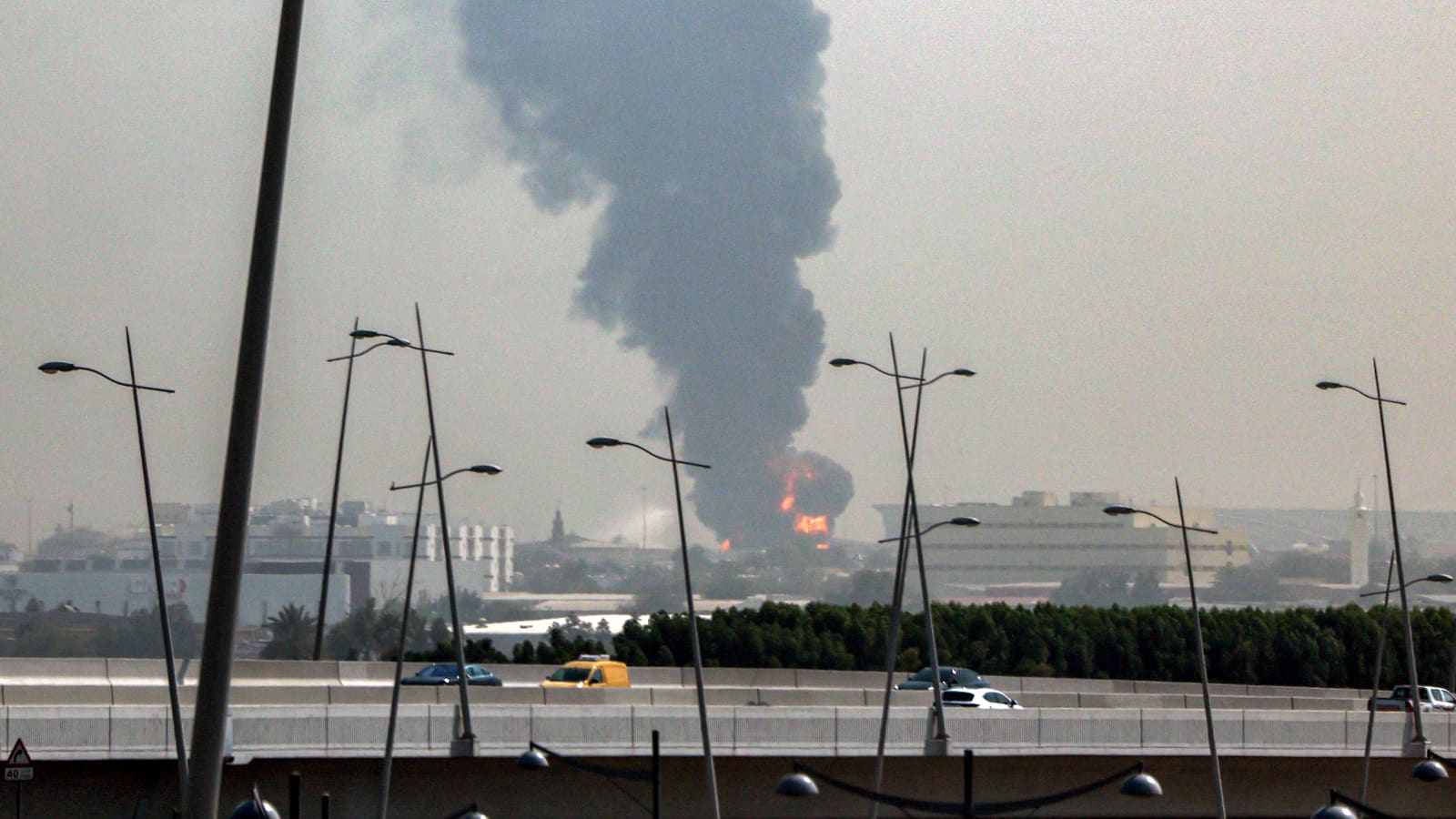
The shutdown, which lasted under two hours, followed a drone attack on a fuel depot near Dubai International Airport that sparked a blaze—the fourth such incident in recent days. Authorities confirmed no injuries, allowing the world’s busiest international hub to restart a limited schedule by Monday evening.
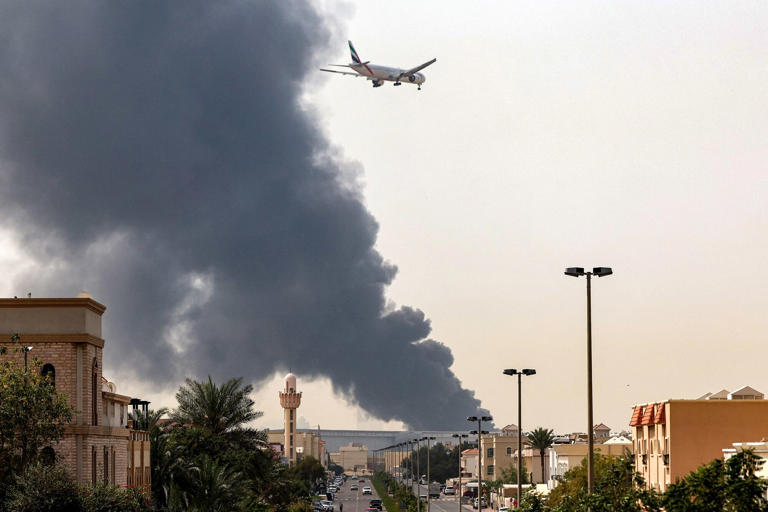
Regulators described the measure as an “exceptional precautionary measure aimed at ensuring the safety of flights and air crews, and safeguarding the UAE’s territory, amid rapidly evolving regional security developments.”
Wider fallout has gripped Middle Eastern aviation, with flights rerouted over Iraq, Jordan, and Saudi Arabia. British Airways extended cuts to services linking Abu Dhabi, Amman, Bahrain, Doha, Dubai, and Tel Aviv. The airline noted it is keeping the situation under constant review and is in direct contact with affected customers to offer travel options.
It operated eight relief flights from Muscat in Oman and boosted connections to Singapore and Bangkok. Rivals like Qatar Airways, Emirates, and Etihad have scaled back too, the latter citing force majeure for grounding 20% of its fleet.
Aviation bodies such as the International Air Transport Association recommend detours via southern routes over India. The UAE’s resilience offers a glimmer of stability, though the region’s skies stay perilously unpredictable.