

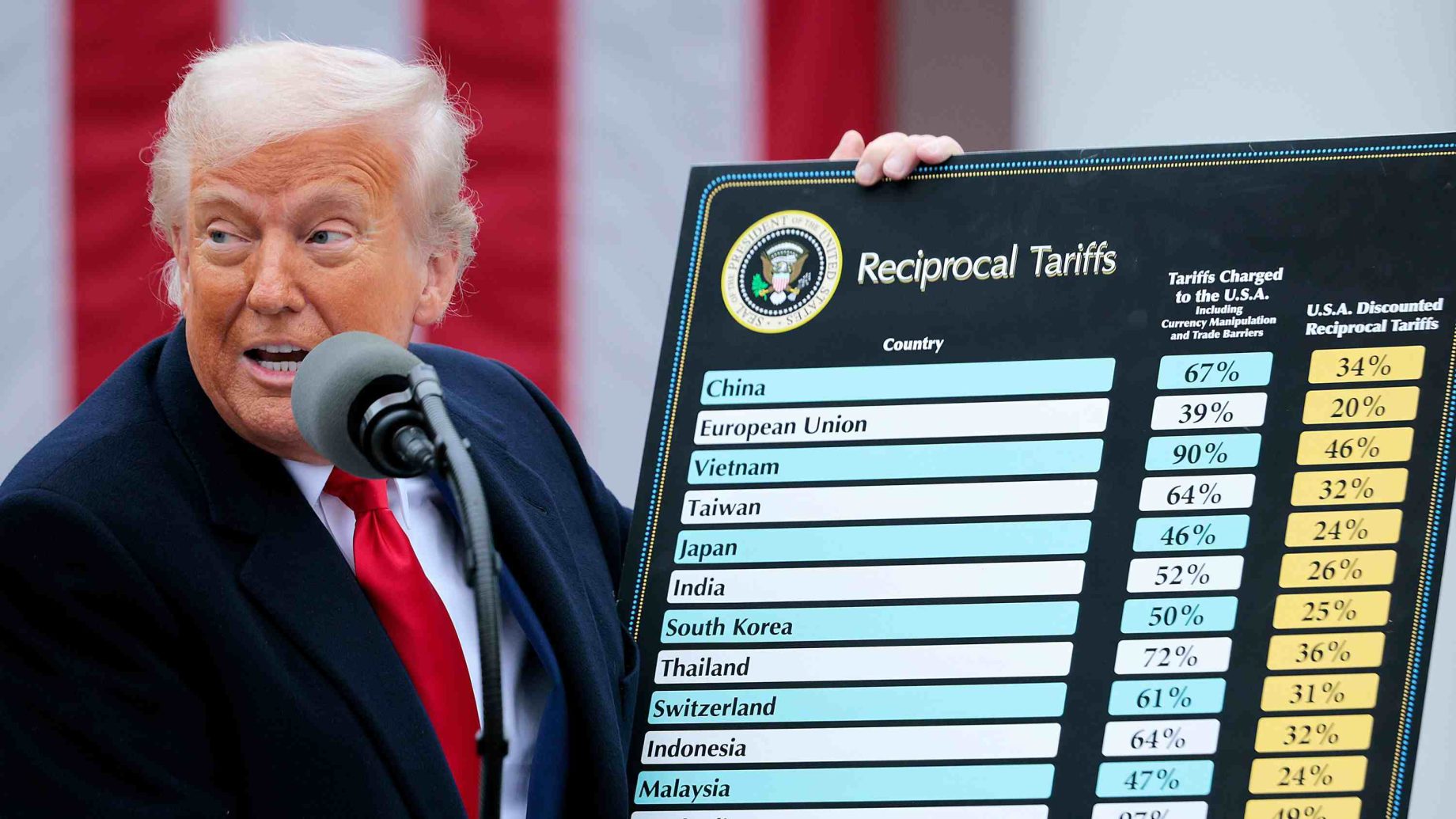
President Donald Trump has reversed course by lifting tariffs on essential agricultural products, including coffee, certain types of beef, bananas, cocoa, and tropical fruits such as avocados, coconuts, oranges, and pineapples.
This move is part of an effort to reduce the rising grocery costs that have burdened American consumers due to the inflationary pressures exacerbated by his earlier tariff policies.
The decision follows widespread criticism as distributors of staple goods like beef, coffee, and chocolate raised prices in response to tariffs. Many of these goods lack sufficient domestic production, making tariffs particularly impactful. Alongside these exemptions, tariffs on black and green teas and spices such as cinnamon and nutmeg have also been rolled back.
Earlier, Trump had insisted tariffs were necessary to protect American industry and labor, maintaining consumers would not bear the costs. However, political realities linked to soaring food prices have evidently shifted this stance.
This tariff relief coincides with new trade agreements with Argentina, Ecuador, Guatemala, and El Salvador, featuring reduced tariffs on many products and removing levies on those inadequately produced in the U.S., such as bananas and coffee.
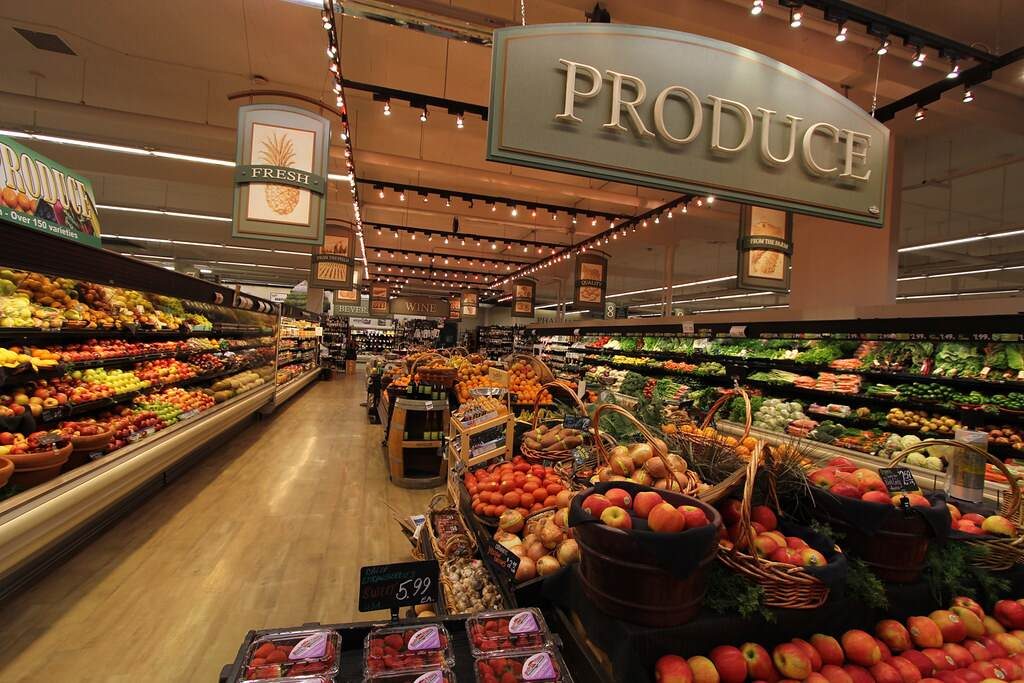
Food prices have steadily climbed for several years, with the Consumer Price Index reporting a 2.7% year-on-year increase in food-at-home prices in September 2025. Though tariff removals should help ease price pressures, global supply issues also play a significant role.
Beef prices, for example, surged due to tariffs on key exporters like Brazil, which faced duties over 75%, compounding domestic cattle shortages. Rising feed and equipment costs linked to other tariffs have also affected supply, pushing retail beef prices up by 12-18% year-over-year.
Coffee prices hit record highs amid a 50% tariff on beans from Brazil, a key supplier, raising costs across the retail and roasting sectors. With no domestic coffee production, importers have little choice but to absorb these costs, reflected in a nearly 21% price increase observed in August.
Similarly, cocoa prices remain elevated due to tariffs and several years of challenging weather conditions in West Africa, home to major producers Ivory Coast and Ghana. These factors have contributed to rising retail chocolate prices, which climbed nearly 30% year-over-year ahead of Halloween.