

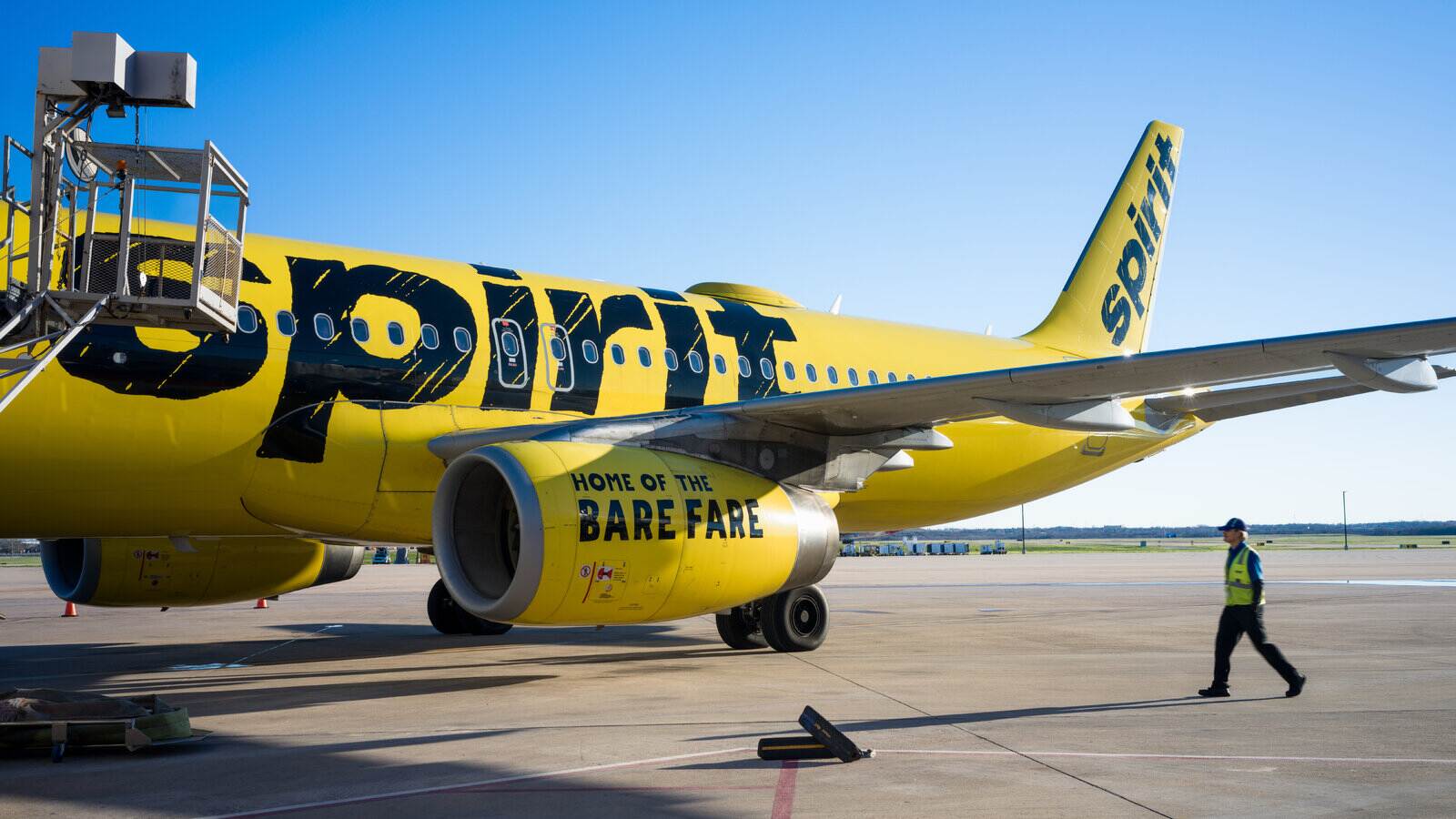
Spirit Airlines revealed a drastic restructuring plan in U.S. Bankruptcy Court on Tuesday, aiming to cut flights, aircraft, and debt to emerge from its second Chapter 11 by late spring or early summer. Davis Polk attorney Marshall Huebner shared the timeline at the hearing.
CEO Dave Davis told CNBC the focus falls on hubs in Fort Lauderdale, Orlando, New York and Detroit. Other routes will shrink sharply.
“Flights that don’t touch those airports will be an even smaller part of the network,” Davis said.
Transcontinental competition and weaker Latin American leisure demand signal cuts, though the region stays important. Reuters noted a 15 per cent drop in those flights in early 2026.
Unprofitable Tuesdays and Wednesdays go, boosting peak capacity. The fleet shifts to older Airbuses, potentially rejecting costly NEOs. Costs plunge $550 million annually, plus $300 million elsewhere; debt halves from $7.4 billion to $2.1 billion.
Creditors back the plan with liquidity releases. Spirit sold 23 A320s and furloughed staff recently, per Aviation Week, amid attrition.
Premium economy expands fleet-wide, with loyalty tweaks to tap passengers seeking legroom—now 28 per cent of U.S. leisure flyers, up from 18 per cent pre-Covid, says Bloomberg.
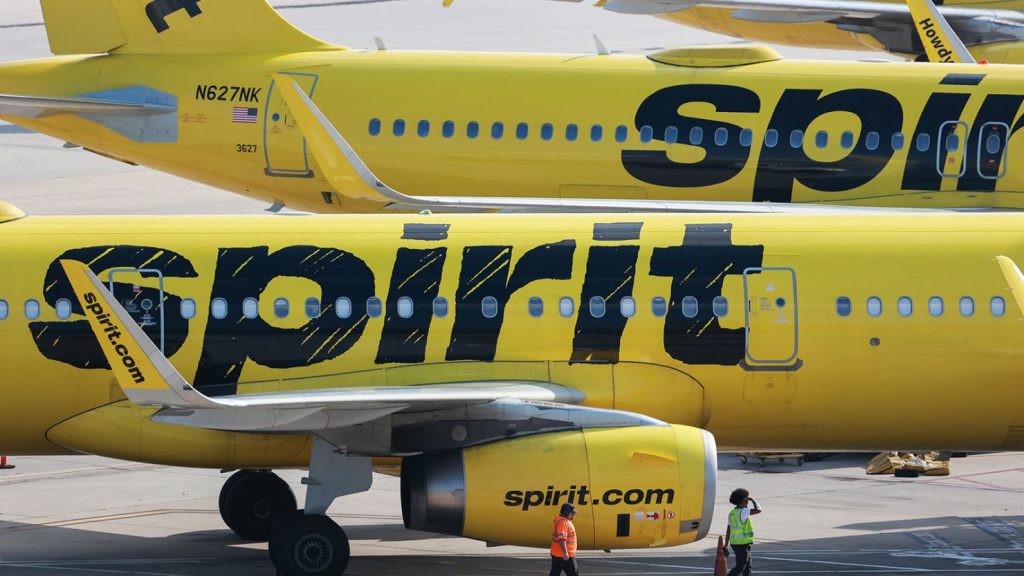
Prior merger talks with Frontier and Castlelake may revive. “This emergence will allow Spirit to do many things from a position of strength and stability, including to consider potential future industry transactions,” Huebner said.
“If we build a sustainably profitable entity here, we’ll have a lot of options in front of us,” Davis added.
Challenges mount against giants like Delta whose basic fares now hold 22 per cent share. Engine recalls and a failed JetBlue deal hurt; 2025 profit hopes flipped to $257 million losses, triggering refiling.
“Because every single day counts, and every single dollar counts, the airline industry is just as competitive today with this deal in hand as it was last Friday, and we must—and will—lock down what we need from other stakeholders and then begin a high speed march to get this storied company out of Chapter 11 at the earliest possible date so that it can write its next chapters from a position of strength,” Huebner said.
“The reason fares are low, the reason basic economy fares are low on our legacy competitors, is because airlines like us exist,” Davis countered. “If we didn’t exist, fares would be substantially higher than they are right now, I can guarantee you.”