


Concerns over privacy are growing as camera-equipped smart glasses become more common, even as sales accelerate and major technology firms prepare to expand the category into a mainstream consumer device.
Meta’s Ray-Ban smart glasses currently lead the market, with millions of units sold since launch. Developed with EssilorLuxottica, the glasses resemble ordinary eyewear but include a discreet camera, microphones, and speakers. Users can capture photos or record video with a subtle tap on the frame, while some versions also integrate artificial intelligence features that can analyse what the wearer is seeing and respond in real time.
The design has raised questions about consent and awareness in public spaces. Reports have emerged of people, particularly women, being filmed without their knowledge in locations such as beaches, streets, and shops. In many cases, they only discover the footage after it is uploaded online, where it can circulate widely and attract unwanted attention or harassment.
While filming in public is generally legal in many jurisdictions, critics argue the issue is the lack of informed consent. One woman told the BBC that when she asked for a secretly recorded video of her to be removed, she was told it was “a paid service.”
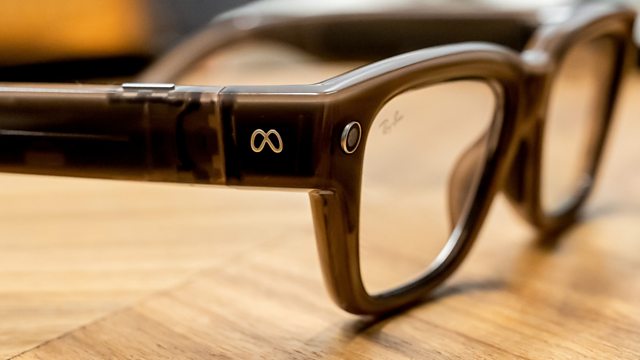
Meta says users are informed through its terms of service that human review of content may occur in some situations, but privacy advocates say these disclosures are easily overlooked and insufficient to prevent misuse.
The company has said more than seven million pairs have been sold, with chief executive Mark Zuckerberg calling them “some of the fastest-growing consumer electronics in history.”
Other tech companies are now moving into the same space. Apple is reportedly developing its own smart glasses, Snap is working on a new version of Specs, and Google is trying again after its earlier Google Glass project failed amid privacy concerns.
Most upcoming devices are expected to combine artificial intelligence and augmented reality, relying heavily on cameras and environmental scanning.
For some users, the appeal is convenience, including hands-free calls, music, and quick photos. Mark Smith, a regular user, said, “I’ve used them around the world, in all kinds of places. The basic features are great,” though he noted the recording indicator can be easy to miss in bright light.
Privacy experts warn that widespread adoption could make it harder to know when recording is taking place in public, raising broader questions about consent in everyday life.