

A policy landing straight on the till
Rotorua Lakes Council overhauled its inner-city parking on 1 July 2026, and the cost has already shown up where councils rarely look – on the turnover of small shops. Crystal McPhee moved The Mum Collections out of Hinemoa St to the city fringe after trade collapsed. “We went from making over $1000 a day to literally nothing,” she said, describing the CBD as “a ghost town again.”
She is not the only one. Rahul Sethi, who runs two Hinemoa St businesses, reports a 30-35% drop in trade since the changes and says “the minute I get a chance, I will just move from here.” James Kim of Korean Mart reports about a 20% fall in sales, while fairly acknowledging that “I can’t really blame parking for everything.” These are not abstract transport complaints. They are named revenue numbers and exit decisions.
What actually changed
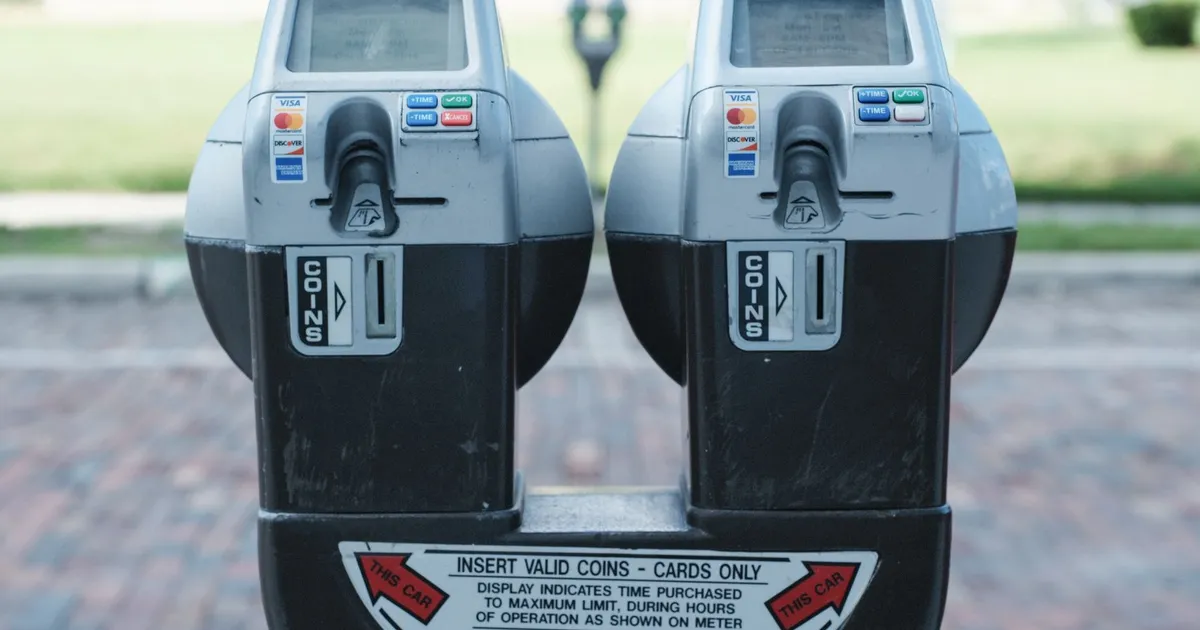
The overhaul introduced paid zones, virtual meters, and permit-only parking across 823 previously free or mixed-use spaces along Queens Drive, Hinemaru Street and Kuirau Park. Permits run at $12 a day up to $130 for three months, which for a CBD worker means $520 to $650 a year in costs that simply did not exist before. The council says 653 free parks remain, but they sit on the outer fringes, not outside the shops.
The changes followed the council taking parking in-house after ending a seven-year contract with private operator i-Park, a decision adopted in July 2025 that had drawn complaints over fines and transparency.
The friction, not the fee, is the killer
The most damaging detail is not the permit price. It is the requirement that motorists register a licence plate within 10 minutes to unlock the first free hour. For a customer buying a coffee, that is a barrier. For an older shopper who does not use apps, it can end the visit. Sethi describes one elderly customer who left rather than navigate it, and calls the whole thing “not a solution; it is a punishment.”
That friction directly undercuts the council’s own stated goal of improving turnover. A free hour nobody can be bothered claiming is not a free hour. Kim warned back on 1 July that “if customers start going somewhere else, they won’t come back.” The registration barrier is a design choice, and it is fixable without scrapping the system.
The double hit on the local economy
There are two flows of money leaving the CBD. Customers avoid town, and the workers who remain now pay for parking that was free. As one Pukaki Centre worker put it in a May 2026 RNZ report, “for every additional dollar spent on parking, that could be a dollar less in a local business.” The council collects permit revenue, which is immediate and measurable. The retail damage is diffuse, hard to attribute, and lands entirely on private balance sheets.
The timing made it worse. National retail sales volumes fell 0.5%, or $138 million, in the June 2026 quarter, the quarter immediately before the overhaul. Rotorua retailers were already squeezed when the new rules hit.
The review is slower than the damage
Council destination development manager Jean-Paul Gaston calls the feedback “mixed” and stresses the system is “a starting point” open to improvement. He points to the promotion effort – more than 1,000 booklets, 120,000 social media views and 900 early permit sign-ups. But promotion is not consultation. McPhee’s complaint is that there “wasn’t enough conversation” about what the changes would mean. Telling people what will happen is not the same as letting them shape it.
The public survey closes 20 September, feeding a six-month review that reports in early 2027. Rotorua Business Chamber chief executive Mel Short says the review “is very important” and is positioning for a submission rather than demanding a reversal.
Rotorua is not alone
The pattern is familiar. A July 2026 NZ Herald editorial noted Auckland’s Ponsonby Rd retailers had opposed paid parking on the same grounds – that customers would simply drive to malls with free parking. Councils introduce managed parking to lift turnover, retailers warn foot traffic will leave, and councils promise a review.
The hard question for Rotorua is whether a review reporting in 2027 is any use to a business that closes in 2026. One shop has already voted with its feet. If the council waits out the full six months before touching the registration friction that is doing the damage, it will be reviewing a CBD with fewer businesses left to consult.
Sources
- ‘Town is dead’: Rotorua businesses look to leave CBD after parking changes (2026-09-13)
- Rotorua council seeks views on parking overhaul as businesses say it hurt trade (2026-09-13)
- Rotorua Shop Owner Fears New Parking Rules Will Drive Customers Away (2026-07-01)
- What Rotorua’s new parking rules mean for workers (2026-05-27)
- Retail trade survey: June 2026 quarter (2026-08-24)
- Rotorua Council takes over parking services (2025-07-10)
- Rotorua parking backlash shows NZ’s complicated love affair with cars – Editorial (2026-07-05)
Join the discussion
Add useful context, ask a good question, or challenge an idea — keep it specific and respectful.