

A year of lost trade for a licence that was never in doubt
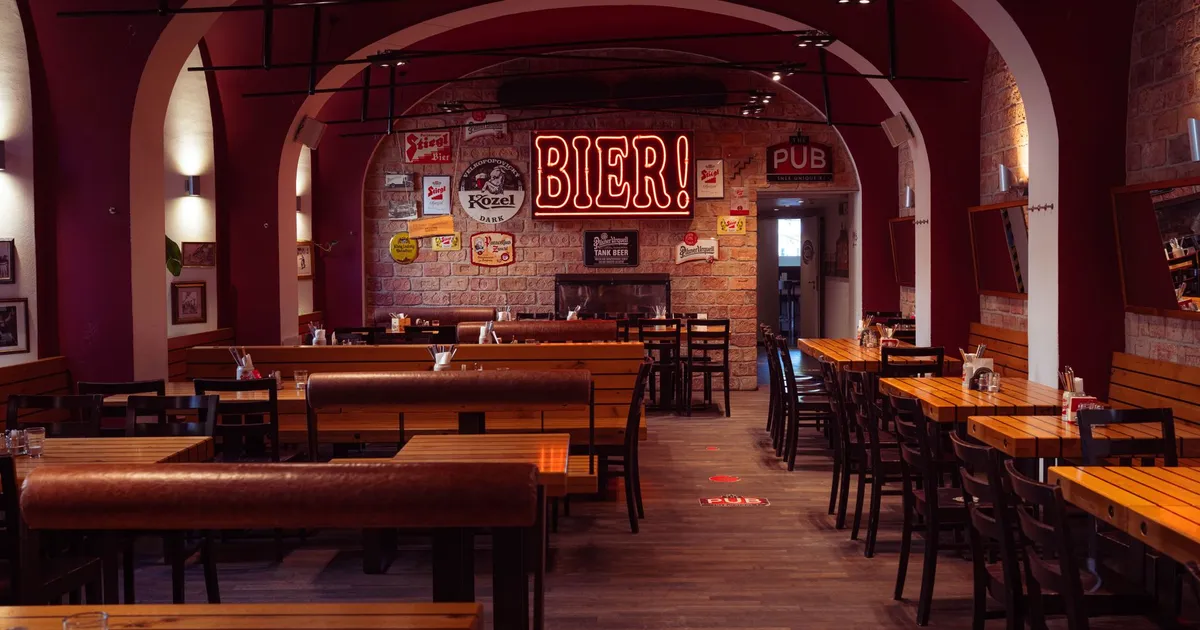
The clearest case for reforming New Zealand’s alcohol licensing regime is the Springs Tavern in Onehunga. The venue filed for a liquor licence in 2024, authorities reported on the application without opposition, and yet local objections kept it from trading for months. It finally opened in August 2025, more than a year after applying, and by then 19 staff had been let go. A former part-owner sold his stake, citing the ‘terrible things that had happened with licensing.’
That is not the system failing. That is the system working exactly as designed, and that is the problem.
The numbers behind the red tape
The Ministry for Regulation’s Hospitality Review, finalised in July 2026, is the most detailed official accounting of what the sector actually endures. Alcohol licensing and renewal processes take an average of 55 to 78 working days, or 11 to 16 working weeks, for a process that in straightforward cases should require nothing close to that. Published timeframes from regulators do not accurately reflect actual processing times, so operators cannot plan cashflow with any confidence. One owner reported taking almost seven months to secure a licence despite meeting all requirements within the first month.
Businesses hand the same information to the same regulator multiple times. Fees are high and opaque. The review produced 24 recommendations, from scrapping annual renewals to appointing a national steward for the alcohol system.
This is not a niche sector. Hospitality is a $21.4 billion industry employing more than 193,000 people. Every stranded application drags landlords, suppliers, staff and whole town centres down with it.
What the government is actually doing
On 11 September 2026, the government announced it would accept eight of nine recommendations in the first tranche. The package removes annual and biannual licence fees, simplifies first-time applications, extends renewal periods, and replaces the current licence types with a single risk-based framework. It also introduces a nationwide information system and makes one agency responsible for alcohol licensing nationally.
Regulation Minister David Seymour framed it plainly: ‘If we are going to unlock New Zealand’s potential, we need to let Kiwi businesses get on with business.’ Associate Justice Minister Nicole McKee was blunter, saying regulators need to ‘stop treating hospitality businesses who want to sell alcohol like common criminals.’ The NZ Herald reported the announcement also flagged a broader Hospitality Action Plan to coordinate initiatives across the portfolios and agencies where the sector’s pain points sprawl.
Unusually broad backing
What makes this reform credible is the alignment behind it. Hospitality New Zealand chief executive Kristy Phillips said the organisation had ‘been clear for a number of years about the pressures and challenges’ around licensing, and that the accepted recommendations would deliver a ‘measurable improvement in how hospitality businesses interact with the regulatory system.’
BusinessNZ, in its May 2026 submission, called the reforms ‘a sensible package of reforms that cuts red tape’ and said member feedback was consistent that the changes were practical, proportionate and long overdue. When the industry body and the peak employer group agree with the minister, the messaging has done its job.
This is also the second wave. On 3 April 2026 the Sale and Supply of Alcohol Amendment Act 2026 came into force, lifting restrictions on trading on Good Friday, Easter Sunday, Anzac Day morning and Christmas Day. The September package attacks the structural inefficiencies in the licensing process itself.
The safeguard question worth watching
The honest counterweight is that the old system’s broad objector standing, the very mechanism that stalled the Springs Tavern despite no opposition from police or health authorities, was a deliberate design meant to give communities a check on licensing. Remove the friction and you remove part of that check. The risk-based framework is the government’s answer, on the logic that low-risk operators should not carry compliance costs built for high-risk ones. Whether it delivers that in practice is the test of the coming implementation. But after a decade in which delay itself became the default penalty, the burden of proof has shifted. This is the most substantive overhaul of alcohol regulation since the 2012 Act, and on the evidence, it is a genuine win for the businesses that keep the tills open.
Sources
- Seymour takes the anti-Kate Sheppard line to fix ‘terrible’ pub licensing (2026-09-13)
- Government moves to cut red tape for alcohol licencing (2026-09-11)
- Hospitality sector review completed, Government to cut red tape for businesses (2026-09-09)
- Hospitality Review Final Report (2026-07)
- Hospitality businesses paying too many fees and struggling with red tape, review finds (2026-09-09)
- Hospitality NZ Says Alcohol Licensing Changes Address Longstanding Industry Concerns (2026-09-11)
- Sale and Supply of Alcohol (Improving Alcohol Regulation) Amendment Bill BusinessNZ Submission (2026-05)
Join the discussion
Add useful context, ask a good question, or challenge an idea — keep it specific and respectful.