

Rising fuel prices are putting mounting pressure on small, independent food businesses, with artisan producers and specialty suppliers warning their online operations are being squeezed from all sides.
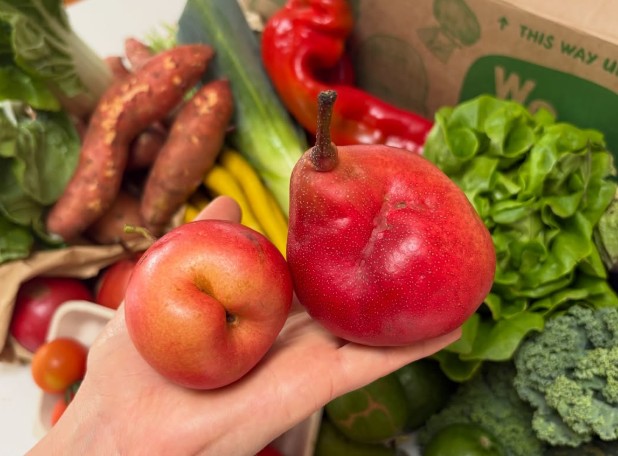
Among those feeling the strain is Wonky Box, a delivery service providing customers with locally sourced produce that falls outside the rigid cosmetic standards imposed by major supermarket chains.
Co-owner Angus Simms described the situation as a “double-edged sword,” highlighting the compounding cost pressures hitting smaller operators.
“So we obviously source in and work with producers who work around the country, who are sending products to us,” Simms said. “These producers are under significant pressure, especially our growers who rely on diesel and fuel to get product out to consumers.”
“At the same time, we’re also in the business of getting our products to our customers’ doorsteps, so I suppose [there is] the home delivery element as well.”
Wonky Box operates on a subscription model, locking in pricing expectations for customers even as fuel costs fluctuate.
“We can’t chop and change weekly like most fuel variable rates do at the moment. So, it’s going to be tricky for us to manage, but right now we haven’t decided to make any changes,” Simms explained.
The pressure is being felt across the sector. Cranberries Westland co-owner Kate Buckley said fuel prices dominated discussions among producers at The Christchurch Food Show.
“For a lot of us, the online business is a really important part of our business model, and of course, fuel costs and selling online are going to be a challenge, so we’re just going to have to roll with it and see what happens,” she said.
Kevin Jenkins, founder of artisan cheese subscription service The Cheese Wheel, said his business has so far absorbed the additional costs, rather than passing them on to customers.
He said that because they offer cheeses not available through large retail chains, there is hope that customers will continue backing small, independent producers despite the growing cost burden.