

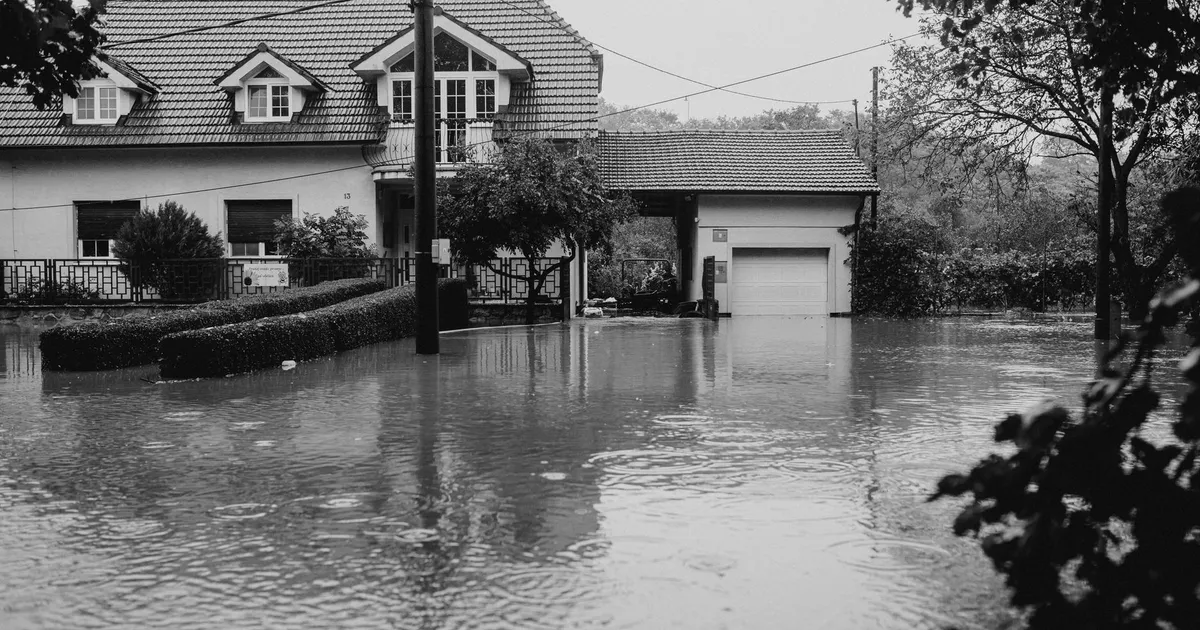
The government has parked its response to the home insurance affordability review until after the election. On the same day, the Reserve Bank offered comfort that banks could cope if premiums soared, according to the NZ Herald.
Read those two facts together and the comfort fades. When the central bank is modelling what an insurance shock does to bank capital, insurance has stopped being a line item on the household budget. It has become a financial-system variable. That shift matters far more to property owners than whether the banks survive.
A finished review, left on the shelf
At the start of 2026, Cabinet gave the Council of Financial Regulators six months to work out what was driving home insurance premiums. The review is done. Finance Minister Nicola Willis’s office says it will not be released yet, and the Natural Hazards Commission levy review has been paused for a second time.
The problem was not in doubt. In a January 2026 Cabinet paper, Willis and then-Commerce and Consumer Affairs Minister Scott Simpson wrote that premiums had grown at three times the rate of CPI since 2011, with a 40% rise in two years. They flagged access becoming harder in Wellington, Marlborough and Canterbury, and admitted limited data made underinsurance hard to measure. Premium inflation has since abated, but that is a pause in the climb, not a reversal.
When the review launched in February 2026, Consumer NZ called the situation “really serious” and warned that unaffordable or unavailable cover could put mortgage holders in breach of their loan conditions. That is the point where a household problem becomes a bank problem.
The central bank has been circling this for years
Back in 2024, the Reserve Bank said property insurance protects the assets securing much of the banking system’s lending, and warned insurers might start pulling back from some risks.
By May 2026 the language had hardened. The RBNZ estimates total sum insured on residential dwellings at around $1.5 trillion, with roughly 60,000 homes carrying no insurance at all and an average buildings premium of about $2,900. It identifies five channels of damage to banks, from collateral impairment and squeezed borrower incomes to red-lining of high-risk areas. Some banks are already assessing flood risk at origination and weighing limits on top-ups and loan-to-value ratios in exposed areas. The market is not waiting for Cabinet.
The reassurance has a soft spot
The May 2026 Financial Stability Report’s stress test is genuinely robust. Under 10.5% unemployment, a 4% OCR and a 35% fall in property values, the big four banks’ aggregate CET1 ratio drops to 8.7%, above the 6% minimum taking effect in 2028. The RBNZ’s view is that very flood-prone borrowers are a small share of mortgage books.
Fair enough, on its own terms. But the RBNZ’s own 2023 research found nearly a quarter of banks’ Auckland residential mortgage exposures were at risk in a 1-in-100-year rainfall flood, with provisions potentially rising from $0.4 billion to $1.3 billion. That work explicitly did not model flooding during a downturn with rising unemployment. The 2026 stress test models the downturn, but not layered with insurers retreating from whole suburbs. The scenario most likely to hurt, a recession that coincides with a disaster and mass underinsurance, is the one nobody has fully run.
The levy nobody wants to raise before an election
The funding side is worse. Treasury recommended lifting the Natural Hazards Insurance levy from 16 to 24 cents per $100 of cover, taking the maximum per dwelling from $554 to $828. At the current rate, Treasury put the scheme’s probability of sufficiency at just 38%; even at 24 cents, it is only 66%.
In 2025, insurers were told no levy or cap changes would occur before mid-2027 after a planned July 2026 start became unworkable. A quantified shortfall has now been deferred twice. Fiscal conservatives should be the least comfortable with that. An underfunded Crown-backed disaster scheme is a contingent liability, and when it runs short, taxpayers are the backstop.
What property owners should do now
The practical lesson is that banks and insurers will price this risk before politicians decide anything. Owners in Wellington, Canterbury, Marlborough and flood-exposed Auckland should expect sharper questions from lenders, tighter lending on risky titles and less certainty that cover will remain available at a tolerable price. Anyone buying property, residential or commercial, should treat insurability as part of due diligence, not an afterthought at settlement.
The next government inherits a completed review, an underfunded levy and a central bank that has already written insurance into its stress tests. Delay was a political choice. The risk it postpones is now sitting on bank balance sheets, and it will not wait for the election result.
Sources
- NZ Herald: Government defers responding to insurance affordability review, as Reserve Bank says banks could handle stress if premiums soared (2026-10-15)
- RNZ: ‘Really serious’: Call for urgency as review of insurance commences (2026-02-05)
- Interest.co.nz: Emerging insurance pressures ‘indicate financial stability risks may increase’ (2026-05-06)
- Treasury: OIA Response 20250830 Insurance affordability work plan options (2025-10-23)
Join the discussion
Add useful context, ask a good question, or challenge an idea — keep it specific and respectful.