

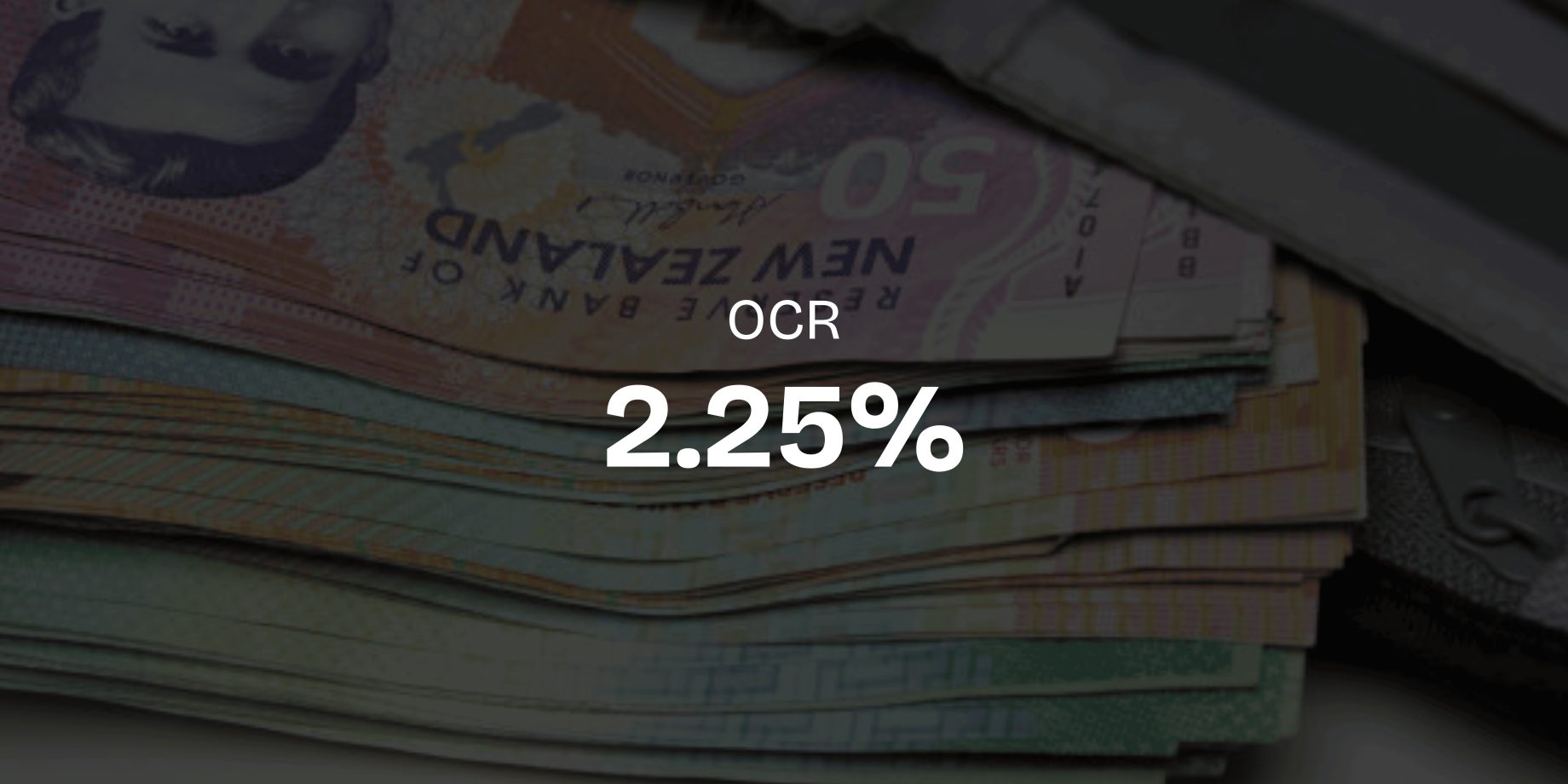
On February 18, the Reserve Bank (RBNZ) held the official cash rate (OCR) steady at 2.25% during its review.
The widely anticipated decision saw the central bank stress its balance between supporting economic recovery via stimulatory rates and easing inflation pressures.
Inflation hit 3.1% by the end of last year—above the RBNZ’s target band.
“The committee is confident that inflation will fall to the 2% midpoint over the next 12 months due to spare capacity in the economy, modest wage growth, and core inflation within the target band,” the Monetary Policy Committee (MPC) said in a statement.
The bank noted uneven economic growth and a gradual recovery, dragged down by a subdued housing market, cautious spending at home, low migration, sluggish wage growth, and a weak labour market—all curbing inflation.
However, falling retail interest rates are easing household budgets and could boost activity, as businesses eye price hikes to sustain inflation.
“If the economy evolves as expected, monetary policy is likely to remain accommodative for some time.”
“The committee will continue to assess incoming data carefully. As the recovery strengthens and inflation falls sustainably towards the target midpoint, monetary policy settings will gradually normalise.”
Reserve Bank Governor Dr Anna Breman said the recovery remains early-stage: unemployment is still elevated, but more people joining the labour force signals progress.
“Data is showing us we’re at the early stages and want to keep the OCR on hold.”
She added there are no plans to raise the OCR until clearer signs of stronger economic activity emerge.
Breman warned that hiking rates prematurely could stifle demand and household spending, though forecasts suggest a possible OCR rise by year-end—or more likely in 2027.