

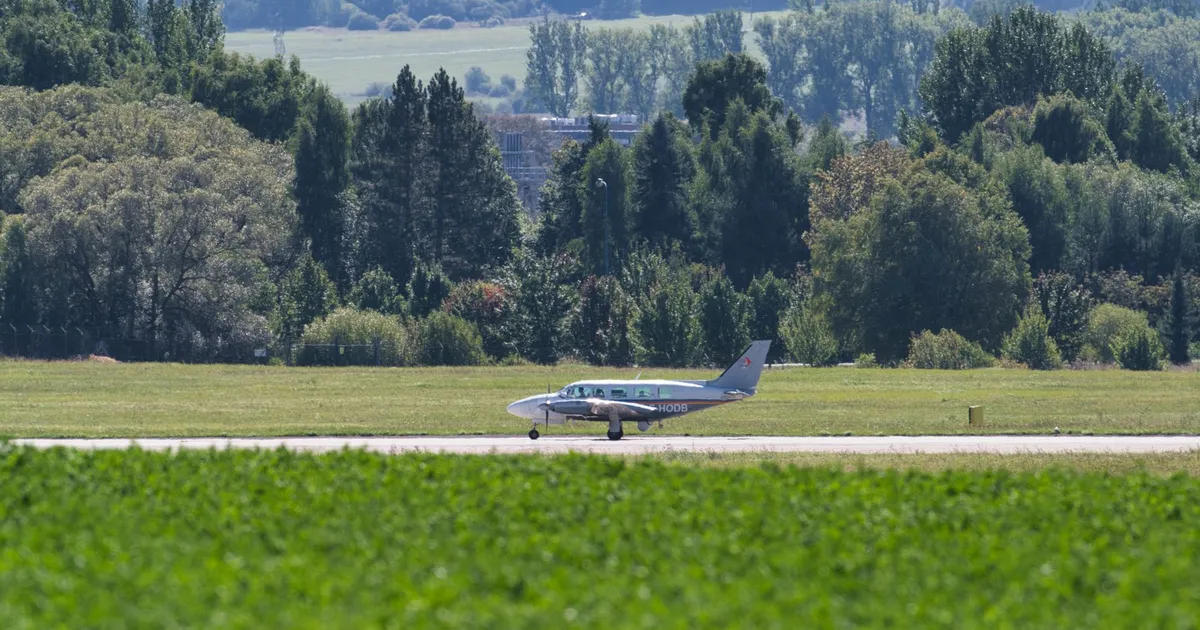
Regional airlines were offered a lifeline that came with an invoice attached. Now they are getting one without. The Government has announced $5.7 million in working capital grants from the Regional Infrastructure Fund to cover day-to-day costs such as fuel and wages. That sits on top of nearly $26 million in government-backed loans already extended to the sector this year.
The sum is modest. The shift it represents is not. The state has moved from being a lender of last resort for aircraft and debt to directly underwriting operating costs, and that is a line governments rarely manage to step back over.
The fuel shock is genuine
Nobody disputes the pain. Jet fuel and aviation gas prices have risen more than 50% since March. Regional Development Minister Shane Jones called the conditions “extraordinary” and said they had created problems for operators providing regional connectivity.
Grants will range between $300,000 and $1.2 million per airline, scaled to passenger volumes and flight movements. Air Chathams is the largest recipient of the new tranche, having already taken a $17.2 million loan for debt refinancing. Sounds Air, Sunair, Golden Bay Air, Stewart Island Flights and Island Air have also drawn on the loan facility.
From lender to cost underwriter
The original design was explicit. Kānoa’s own description of the package framed it as up to $30 million in loans to help operators manage debt, maintain aircraft and keep vulnerable routes flying. Repayable capital support for capital needs. That is defensible policy.
What is left of that pot is now being given away for running costs. Associate Transport Minister James Meager told Newstalk ZB the Government is confident the loans will be repaid, that the sector has stabilised, and that the grants are only meant to bridge the immediate fuel crisis. Perhaps. But if the sector has stabilised, the case for non-repayable cash gets weaker, not stronger.
The history also cuts against the “one-off shock” framing. MBIE records show the first assistance applications were lodged in August 2024, with operators then describing conditions as the worst in more than 35 years. That was well before this year’s fuel spike. This is a structural problem being treated with a succession of emergency patches.
Airlines want help on both ends
The sector is also running a second campaign. Aviation Industry Association chief executive Simon Wallace wants the Commerce Commission to examine fuel pricing, and one operator described suppliers as “schoolyard bullies”. Z Energy responded that New Zealand imports all its refined fuel, so local prices track global supply, freight and exchange rates.
So operators are asking the state to pay for the fuel and to police the people selling it. Trucking firms, fishing fleets, tour operators and regional bus companies face the same input shock. None of them has a dedicated fund to tap. They are absorbing the cost or passing it on, which is what businesses normally do. Once one sector converts a fuel spike into a grant, the queue forms quickly, and ministers will struggle to explain why aviation qualifies and a Gisborne freight operator does not.
Connectivity deserves a rule, not a rescue
None of this means regional air links are unimportant. For places like the Chathams, Stewart Island or Golden Bay, they carry patients, freight and tourists, and they underpin local commerce. The problem is the method.
As analysis in The Conversation has argued, thin routes simply cannot spread the fixed costs of flying across enough passengers, and New Zealand’s response has been reactive. Norway uses public service obligation contracts for key routes, Australia runs a remote air services subsidy scheme, and both rely on transparent, rules-based support rather than discretionary top-ups whenever a crisis bites.
That is the conversation the Government should be having. If certain routes are essential, define them, tender them and price the subsidy openly, so taxpayers know what they are buying and other sectors know where the line is. Instead, the $5.7 million boost has been dressed as more of the same support, when it is actually a new kind of support. The next fuel spike, wage round or insurance hike will test whether “temporary” really means temporary. History suggests betting against it.
Sources
- RNZ: Regional airlines get $5.7m funding to help manage operating costs (2026-10-05)
- Newstalk ZB: Govt ‘confident’ regional airlines will pay back $5.7m fuel lifeline (2026-10-06)
- Aviation Today: New Zealand grants NZ$5.7M aid to regional airlines as fuel costs rise over 50% (2026-10-05)
- Mirage News: Regional airlines get working capital grants (2026-10-05)
- NZ Herald: Airlines take aim at energy companies, grateful for $5.7 million Govt funding; should NZ subsidise airlines? (2026-10-05)
- Grow Regions: Regional airlines funding
- The Conversation: NZ’s regional air routes are under pressure. Is more government intervention the answer?
- RNZ Morning Report: Regional airlines get $5.7m boost as fuel prices soar (2026-10-05)
Join the discussion
Add useful context, ask a good question, or challenge an idea — keep it specific and respectful.