

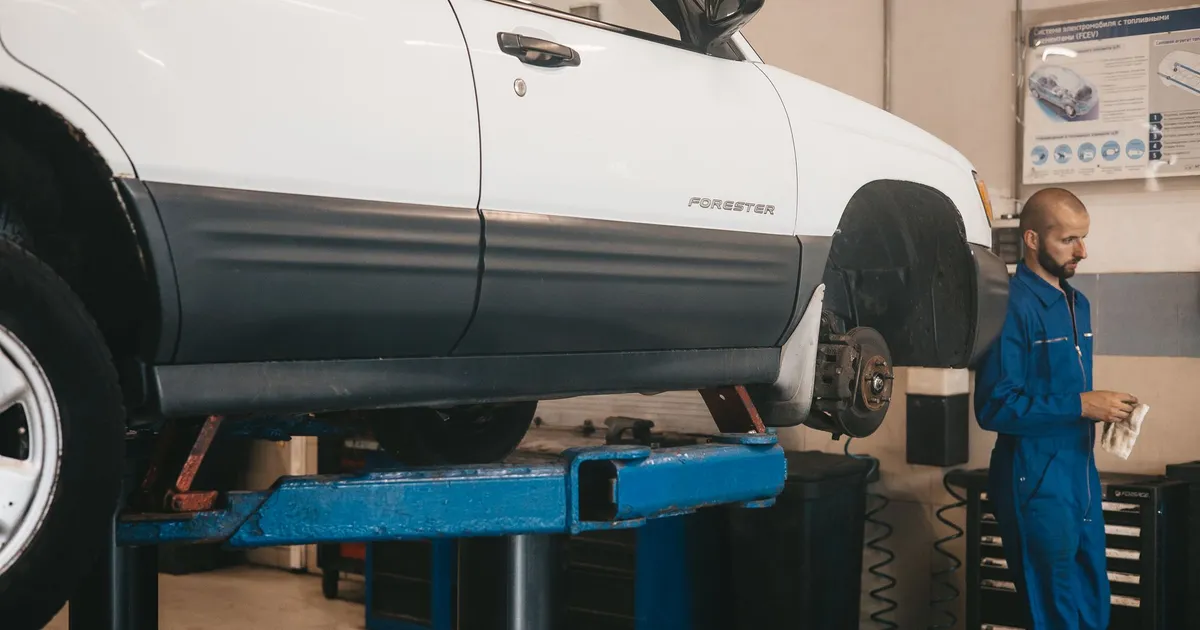
Labour’s promise of a right to repair for cars is being pitched at motorists, but its real effect would land in the workshop. If carmakers were forced to hand independent mechanics the manuals, software, tools and diagnostic data needed to fix modern vehicles, the servicing revenue that dealers currently control would become contestable. That is a competition reform, and on the evidence, a good one. The problem is that Labour has so far announced a slogan, not a policy.
A warning light worth $150
The pain point is real. Workshops are turning away jobs because they cannot get manufacturer-locked repair information, particularly for cars built after 2021, Teslas, and Jeeps with lockout software, RNZ reports. Labour’s commerce and consumer affairs spokesperson Arena Williams says mechanics can sometimes fix the underlying fault but still cannot clear the dashboard warning without a manufacturer-approved service, sending the customer back to a dealer for a bill of more than $150.
“A right to repair means the mechanic down the road gets a fair shot at your business,” Williams says. The pledge sits alongside bans on secret car-yard finance commissions, 14-day penalty-free cancellations on vehicle purchases and a freeze on fuel tax rises.
Follow the margins
The reason this matters commercially is in the numbers. A March 2026 NZIER report for the Motor Trade Association found general repair businesses ran profit margins of 7.7% in 2024 and collision repairers 7.9%, while vehicle dealers earned just 2.3%. The same report found servicing and repair costs rose 44% between April 2014 and March 2025, well ahead of general inflation.
Thin selling margins mean dealers lean heavily on after-sales work and parts. Proprietary software is the fence around that revenue. The NZIER report itself flagged that advanced driver-assistance systems, onboard computers and locked software were restricting independents’ access to tools and manuals, driving consolidation and pushing up repair bills. In other words, the industry’s own commissioned research describes a market where technology, not service quality, is deciding who gets the work.
The stakes are not small. The vehicle industry employs 65,830 people across 15,969 business units and generates $6.8 billion of GDP, according to the NZIER analysis. Many of those businesses are small, owner-operated garages.
Australia shows it can work
Labour’s best argument sits across the Tasman. Australia’s information-sharing scheme, introduced in 2022, requires repair information to be available at no more than fair market value, Newsroom reported in 2025. Williams cites Australian Treasury estimates of AU$2.5 billion in savings for motorists and says independent repairs ended up 25% cheaper than dealer work on average, as The Brief notes.
That is the kind of intervention centre-right readers should welcome. It does not set prices. It removes an artificial barrier and lets competition do the work.
Industry wants in, on terms
The reaction has been cautious rather than hostile. Imported Motor Vehicle Industry Association chief executive Greig Epps told Newstalk ZB that while it is the carmakers’ technology, “the consumer owns that vehicle, and they should have the choice on who they get to repair it”, with access granted “on reasonable terms”.
That qualifier matters. New Zealand has already watched a loosely drafted version of this idea go wrong. When the Green Party’s right-to-repair bill surfaced in 2025, the MTA’s Lee Marshall warned it could raise car prices and push smaller dealers out, pointing out that modern vehicles have upwards of 30,000 parts and that New Zealand cannot compel offshore manufacturers to obey domestic law, Newsroom reported. In its April 2025 select committee submission, the MTA said it supported right to repair in principle but opposed that bill, preferring an industry-brokered deal limiting access to suitably qualified repairers.
The used-import trade is the exposed flank. Importers sell many brands they do not formally represent, and a rule that puts disclosure obligations on local sellers rather than manufacturers could bury them in compliance they cannot meet.
Slogan first, bill later
Labour has released no draft legislation, pricing rules or enforcement model, The Brief reports. Those details are the whole game. Get them right, by targeting manufacturers, copying Australia’s fair-market-value pricing and setting clear qualification standards, and independent garages gain a fair shot at work they are already more profitable doing. Get them wrong and the cost lands on multi-brand and used-import dealers, which means fewer sellers and dearer cars.
For workshop owners, the pledge is worth backing and worth lobbying on. For franchised dealers, it is a signal that the service bay will not stay a protected market forever. Whoever wins the election, the smart move is to plan for competition on the after-sales side now, rather than wait for the bill.
Sources
- RNZ: Labour promises right to repair for cars (2026-10-05)
- The Brief: Labour’s car repair promise, what it would mean for independent garages (2026-10-05)
- Newstalk ZB: Tentative interest in Labour’s ‘right of repair’ promise for cars (2026-10-06)
- MTA/NZIER: The current and future state of the New Zealand vehicle fleet and industry (2026-03)
- Newsroom: Right to Repair bill risks driving up prices – motoring industry (2025-04-16)
- MTA: Submission on the Consumer Guarantees (Right to Repair) Amendment Bill (2025-04)
Join the discussion
Add useful context, ask a good question, or challenge an idea — keep it specific and respectful.