

PowerHub founder Sophia Bristow has been handed a four-year ban on directing or promoting companies over “mismanagement” that contributed to the failure of Eurotech Design, an appliance importer that left creditors owed $6.8 million. She is now seeking an exemption to stay involved with PowerHub, the electricity retailer she built while that earlier business was heading for the rocks.
The request deserves a hard look, not a sympathetic one. A green mission and a compelling founder story do not change the basic question every investor and creditor should ask: who is checking the person in charge?
This is not a one-off crackdown
Bristow is not being singled out. She was one of six directors banned from running companies after business failures in the same enforcement round. That matters. Any suggestion that a clean-energy founder is being treated harshly falls over when the same standard is being applied across the board. Regulators are signalling that director discipline applies regardless of sector, and that is exactly as it should be.
The new company grew in the old one’s shadow
The timeline is the uncomfortable part. PowerHub was registered in September 2024, with Bristow as a founding director. Roughly two months later, on 22 November 2024, Eurotech Design was placed into liquidation by High Court order on Kiwibank’s application, with Grant Thornton’s Stephen Keen and David Ruscoe appointed liquidators. The separate receivership did not formally end until 19 December 2025, more than a year later.
In other words, Eurotech’s insolvency was still being worked through while PowerHub was building its product and courting the public. Registry records show PowerHub is controlled through a Bristow-linked holding company, and Eurotech itself was held almost entirely by another Bristow family entity.
To be fair, this is not a classic phoenix. PowerHub sells electricity and battery storage; Eurotech imported kitchen appliances. But PowerHub’s own website frames its origin story as growing out of the appliance business, citing circuit board failures and warranty costs linked to power supply problems. The venture is literally pitched as a lesson learned from the company whose management just earned its founder a ban.
Retail money, no independent board
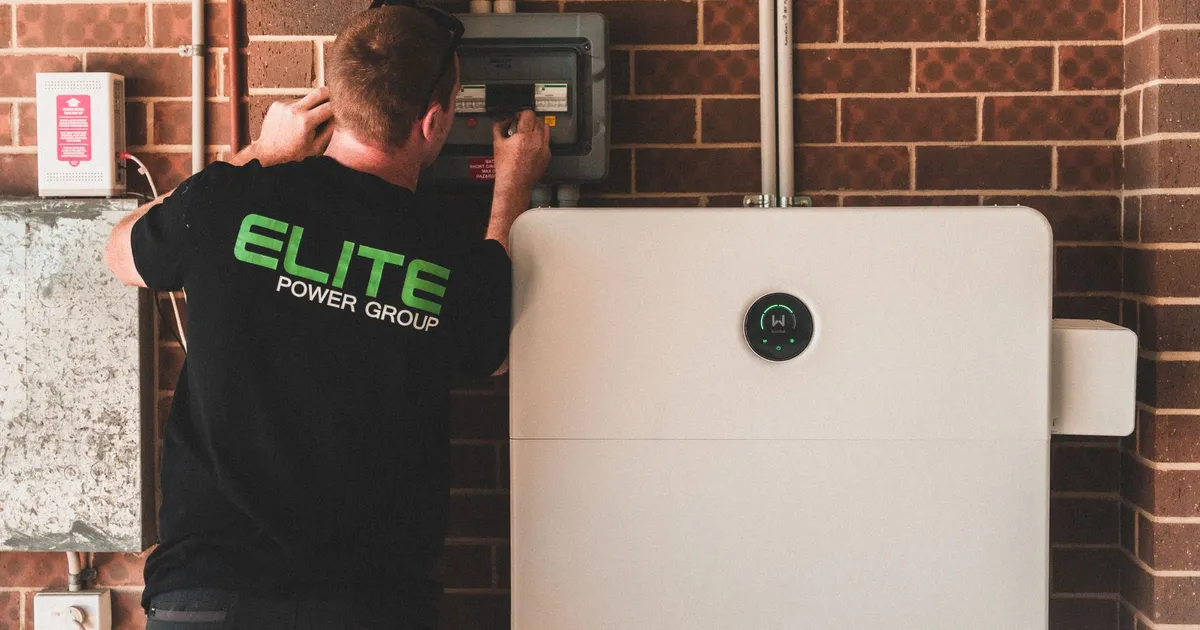
PowerHub is not a private hobby. In 2026 it raised $650,000 through PledgeMe, selling a model that passes through wholesale prices plus a 10% margin and offers a 15kWh battery on a monthly plan. In May 2026 Bristow told RNZ the battery was “a personal energy reservoir” that lets households capture cheap power and use it when prices spike.
It is a decent pitch. But the only other director, Gerard Field, stepped away in August 2026, leaving Bristow as sole director just as her Eurotech conduct was under scrutiny. Crowdfunding investors and customers on payment plans are now relying on a company with no board oversight beyond the founder herself.
Cosy governance at its most extreme
This month a University of Auckland panel took aim at New Zealand’s governance culture. Simplicity co-founder Sam Stubbs argues managing directors effectively choose their own boards, describing a “cosy corporate club” of advisers with little incentive to challenge leadership. Another panellist noted that many governance failures “may not involve breaches of corporate law at all.”
PowerHub is the logical endpoint of that critique. When the founder controls the shareholding and is the entire board, there is no one to pick and no one to push back.
The statutory framework is not much help in predicting outcomes either. In 2025, legal scholars were still debating whether the 2023 amendment to section 131 of the Companies Act clarified directors’ duties or muddied them, and how far the provision works as a mechanism for accountability. Letting directors weigh ESG factors was never meant to soften the discipline expected of them.
What an exemption should cost
Founder continuity has real value in a start-up. Bristow knows the product, the customers and the investors, and pulling her out abruptly could hurt the very people the ban is meant to protect. That is the strongest case for some form of exemption.
But if one is granted, it should come with teeth: at least one genuinely independent director, clear reporting to the PledgeMe investors about the ban and what it means, and limits on what Bristow can decide alone. Anything less turns a four-year ban into a technicality the moment the business carries a fashionable label.
The decision on Bristow’s application will tell New Zealand’s start-up community whether director bans are a line or a negotiating position. Investors, and the creditors still nursing a $6.8 million loss, will be watching to find out which.
Sources
- Newsroom: PowerHub founder banned over $6.8m collapse seeks exemption to stay on (2026-11-26)
- Stuff: Six directors banned from running companies after business failures (2026-11-27)
- RNZ: New power firm wants to give customers access to wholesale electricity market (2026-05-14)
- PowerHub: The PowerHub Team
- NZ Gazette: Eurotech Design Limited – Appointment of Liquidators (2024-11-25)
- NZ Gazette: Eurotech Design Limited – Notice of End of Receivership (2025-12-22)
- CompanyHub: PowerHub Limited company details
- CompanyHub: Eurotech Design Limited company details
- Juncture, University of Auckland: New Zealand’s governance culture is looking cosy (2026-11-03)
- University of Auckland ResearchSpace: Directors’ duty of loyalty and ESG considerations (2025)
Join the discussion
Add useful context, ask a good question, or challenge an idea — keep it specific and respectful.