

Parents with incomes over $65,000 are required to support their 18- to 19-year-old children as the government imposes stricter eligibility criteria for Jobseeker benefits.
Starting November next year, a parental assistance test will be introduced for jobseekers and equivalent emergency benefits. The government said parents who are financially able should support their children rather than relying on the state.
The policy was originally scheduled to begin in July 2027, but the government is accelerating its implementation.
The government had also not established where the boundary would be set.
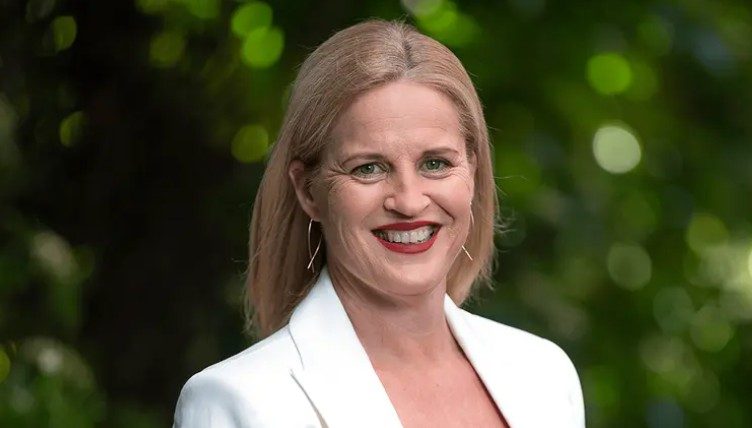
According to Social Development and Employment Minister Louise Upston, the new Parental Assistance Test would include a parental income test to verify if their parents’ earnings are at or below the income threshold and a parental support gap test showing they cannot reasonably be expected to depend on their parents for support.
The income limit would also be established based on the cut-off point for a couple with children receiving the Supported Living Payment and would be updated annually.
Currently, this limit is $65,529 and is expected to increase in line with the annual general adjustment of benefit payments.
“We want to be clear with young people, 18- and 19-year-olds and their parents, our expectation is that they are in further education, training or a job, and welfare should be a long way away from their first option,” Upston said.
“It’s about having much higher expectations for young people and their families.”
18- and 19-year-olds with dependent children or those estranged from their parents would still be eligible for support.
As of June 2025, 15,045 individuals aged 18–19 were receiving Jobseeker support.
“Going on welfare when you’re young is a trap, with recent modelling suggesting that people under the age of 25 on Jobseeker support will spend an average of 18 or more years on a benefit over their lifetimes,” Upston said.
Prime Minister Christopher Luxon described this as a “pretty simple deal” for parents and young people.
“Look, we are saying we care about you, we love you, but we really want you to realise all that potential that you’ve got,” he said.
“We’re here to help and support as much as we can, but you also have to take responsibility for that, and actually just consigning you to a life of welfare for 18 years is unacceptable.”
“We’re not doing our job if we’re letting that happen.”