

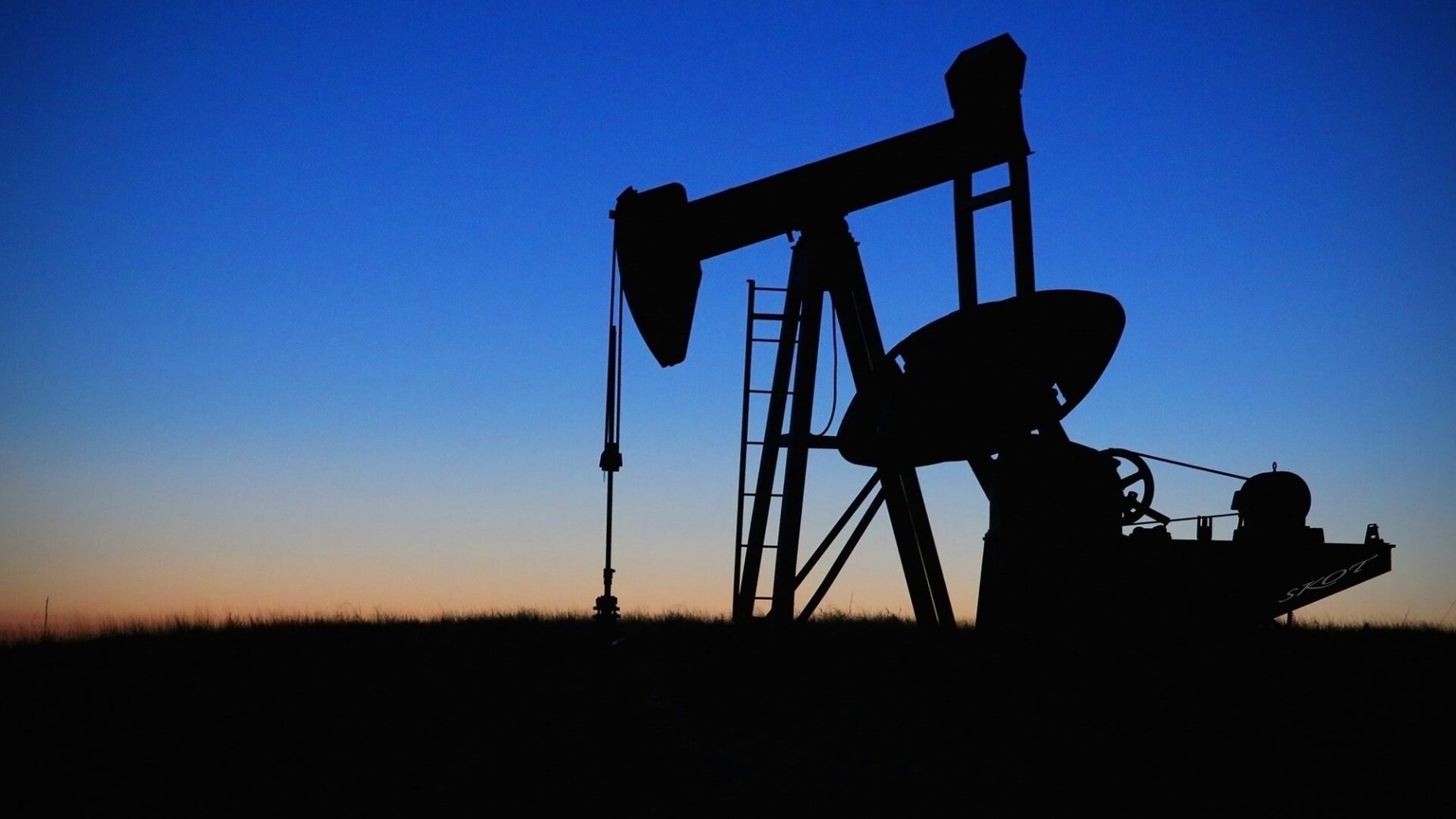
Oil prices climbed by more than 2% on Monday after Israel ordered its military to widen operations in Lebanon, adding to concerns that the conflict with Hezbollah could place further strain on efforts to prevent a broader regional escalation.
Brent crude futures rose by 2.45% to $93.35 a barrel, while U.S. West Texas Intermediate gained 2.8% to reach $89.78 a barrel. The jump reflected renewed anxiety among traders over the possibility that prolonged fighting could disrupt energy supplies or affect major shipping routes in the Middle East.
The latest increase came after Israeli Prime Minister Benjamin Netanyahu said troops had been instructed to press further into Lebanon despite a ceasefire announced in April.
“Together with Defense Minister Yisrael Katz, I instructed the IDF to expand the maneuver in Lebanon,” Netanyahu said on Sunday.
The decision followed U.S.-mediated discussions involving Israel and Lebanon in Washington on Friday. Those talks had raised cautious hopes that the fighting could be contained, but the fresh military push has again cast doubt over the prospects for a lasting pause in hostilities.
The market is also closely watching relations between Washington and Tehran. Hezbollah is backed by Iran, and any further deterioration in the region could complicate attempts by the United States and Iran to maintain their fragile ceasefire arrangement.
Investors have remained sensitive to developments in the Middle East because the region plays a central role in global oil production and transport. A sustained conflict could push prices higher, particularly if it affects key supply routes or raises the risk of wider disruption.
Goldman Sachs said the risks surrounding its oil price outlook remain finely balanced. The bank expects Brent crude to average $90 a barrel in the fourth quarter of 2026, with WTI forecast at $83.
However, weaker demand could limit further gains. Goldman Sachs said subdued April fuel sales in China and Western Europe suggested a potential downside risk of around 2 million barrels per day compared with its already cautious demand estimates.
For now, oil markets remain caught between two competing forces: rising geopolitical tension and signs of softer consumption in major economies.