

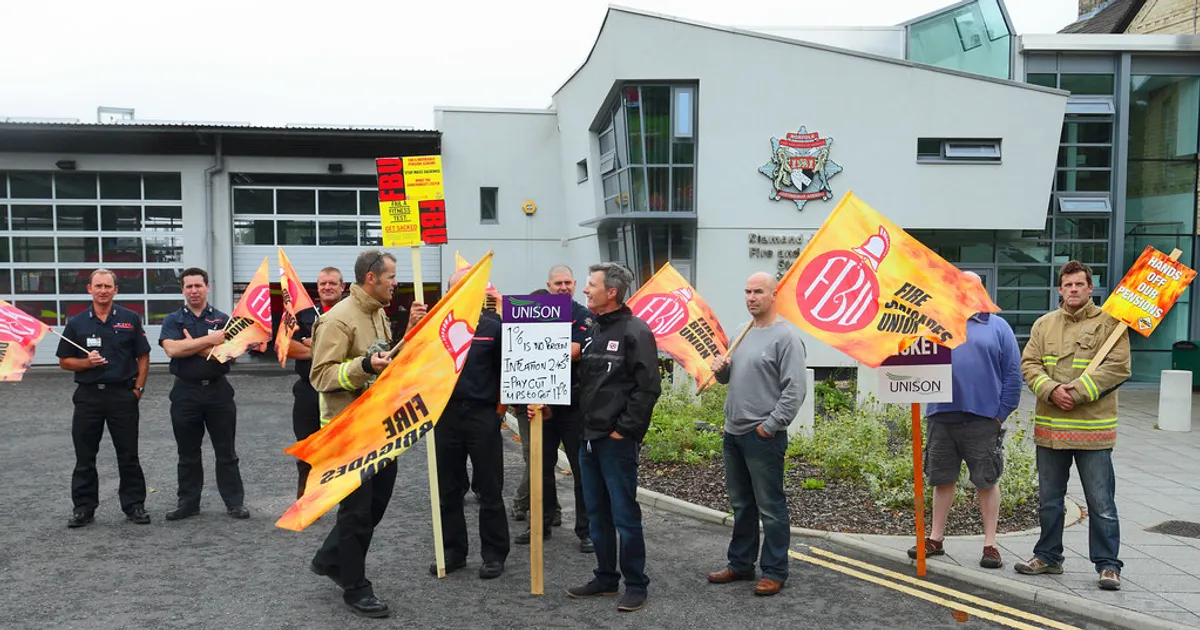
The current run of strikes is not a sudden outbreak of 1970s-style militancy. It is arithmetic. Wages are growing at 2.0% in the private sector against 4.1% inflation, and workers who accepted modest settlements when prices were calmer are now watching their real pay go backwards for a second time in four years.
Employers, meanwhile, have spent years absorbing cost escalation and are drawing a line around offers they say they can sustain. Both sides have a point. That is exactly why the disputes are hardening.
The gap is measured, not imagined
The June 2026 Labour Cost Index put public sector wage growth at 1.7% annually, with the Public Service at just 1.3%, while annual CPI jumped from 3.1% in March to 4.1%. The squeeze had been building for a while. In the September 2025 quarter, public sector wage growth had already slowed to 2.4%, with the Public Service at 1.2%, against 3.0% inflation.
The broader labour market tells the same story. Reserve Bank data shows average hourly earnings of $44.20, up 3.2% on a year earlier, still short of the headline inflation peak. Wage settlements lag price readings, often by a year or more, so the inflation spike of mid-2026 has not yet worked its way through collective agreements. The catch-up demands are only starting.
Different employers, the same ceiling
TVNZ staff walked off for an hour on 29 October, the broadcaster’s first strike in 20 years, after a 2.5% offer against 3.7% September-quarter inflation. The company’s position is the one many boards will recognise: the unions’ proposal “exceeds what TVNZ can sustain.” For a state broadcaster fighting for advertising revenue, that is not posturing.
Firefighters are the sharpest case. The Professional Firefighters Union rejected Fire and Emergency’s 2.2-2.5% offer by 99% and voted 88% to escalate to weekly 10-hour strikes from 27 November across 19 towns and cities, after 72 one-hour strikes since October 2025 and no pay rise since July 2023. FENZ national commander Megan Stiffler called the 18.5% claim “unrealistic” and warned of “extreme risk to public safety.” Union national secretary Wattie Watson says the fix needs “the right people in the room, and access to some funding”, a pointed message to whichever coalition takes office.
Stiffler is right that 18.5% is a stretch. But three years without a rise is a long time, and an 18.5% claim is what that delay eventually costs. Deferring pay rarely makes it cheaper.
Short, sharp and built for leverage
RNZ counted more than 10 prominent strikes in three months, including IKEA and Farmers staff. Victoria University professor Jim McAloon notes that today “any sort of limitation of normal duties is defined as a strike”, which is why incidents pile up even when days lost stay modest. Otago University associate professor Lynnaire Sheridan argues the decisive variable is how much reputational or financial pain an employer can withstand, while Workers First’s Anita Rosentreter says lengthening mediation waits are pushing unions to strike sooner.
That is the real risk shift for business. High-visibility brands, retailers with weekend trade and anyone running a public-facing service are now the softest targets, because an hour-long walkout costs the union little and the employer a news cycle.
A pattern New Zealand keeps repeating
None of this is new. In October 2025, economist Cameron Bagrie warned that with real GDP per capita down 5% over three years, wage catch-up risked a spiral where higher costs feed back into prices. His diagnosis was weak productivity, leaving little room for genuine pay gains without margin pain.
The 2022 wave followed the same script. That year the labour cost index was running at 2.6%, less than half the rate of inflation, and McAloon described workers’ mood at the time as “if we don’t improve things now, when do we improve them?”
What boards should plan for
The practical lesson is that CPI has quietly become a bargaining floor. Offers below it will be framed, as IKEA workers framed theirs, as a pay cut, and unions now have cheap tools to enforce that framing. Employers do not have to cave, and in a low-productivity economy many cannot. But they should model the full cost of holding the line, including reputational exposure and the bigger bill that delay builds up.
Unless inflation falls back into the 2-3% band quickly, expect this wave to roll into 2027 bargaining rounds. The firms that fare best will be those that tie pay to measurable productivity gains rather than simply hoping the inflation hangover wears off before the next notice lands.
Sources
- RNZ: Does going on strike really work? (2026-11-07)
- RNZ: TVNZ staff to strike for first time in 20 years over pay (2026-10-22)
- RNZ: Firefighters union threatens 10 hours strikes, FENZ warns of ‘extreme risk’ (2026-11-04)
- Public Service Commission: Labour Cost Index – June 2026 Technical Report (2026-06)
- Public Service Commission: September 2025 Labour Cost Index – Key Points (2025-09)
- BusinessDesk: The recurring nightmare of inflation (2025-10-22)
- Newsroom: Workers willing to strike while inflation’s hot (2022-02-14)
- 1News: Inflation, low unemployment behind strike action wave – historian (2022-09-04)
Join the discussion
Add useful context, ask a good question, or challenge an idea — keep it specific and respectful.