

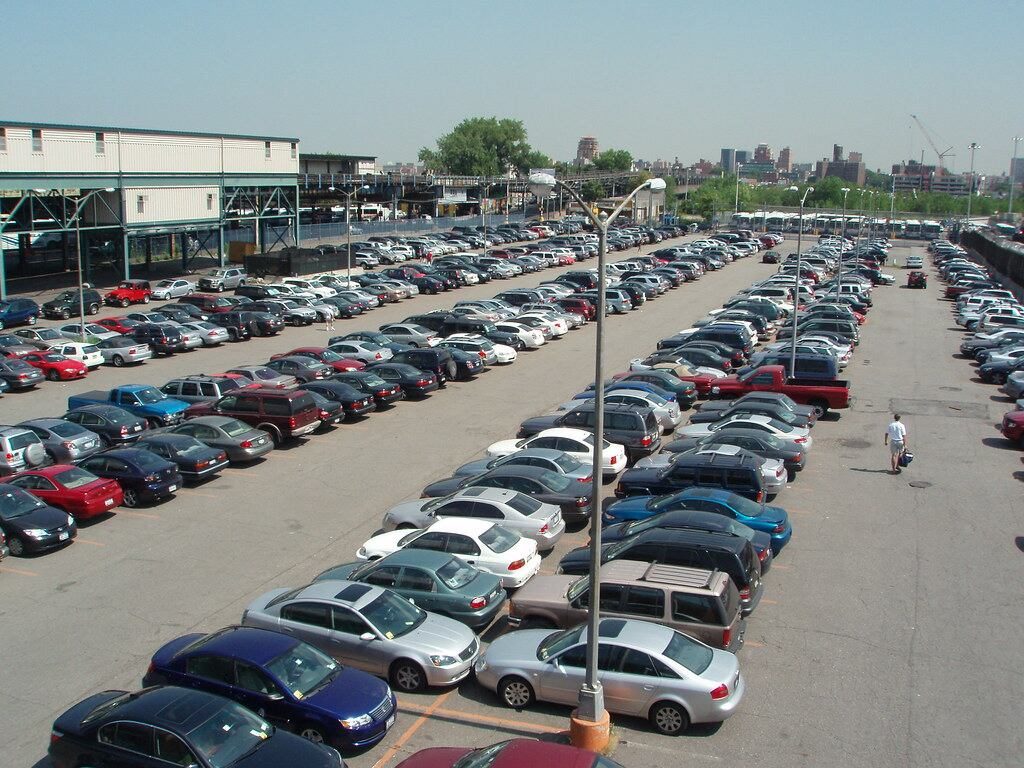
The government has announced that its scheme to clamp and seize vehicles from individuals with unpaid court fines will be made permanent and significantly expanded after a successful trial period. Over the course of three months, the initiative recovered more than $225,000 and resulted in the impoundment of 115 vehicles.
This programme, introduced in July by Justice Minister Paul Goldsmith, uses handheld licence plate scanners operated by bailiffs to quickly identify cars owned by those with outstanding court fines. The number of scanners in use will be increased from 10 to at least 39 as part of the expansion.
“We promised to find new and effective ways to force people to pay their court fines. The threat of clamping and vehicle seizures has proved a great success. Victims are our priority and we’re ensuring they receive what they’re owed,” Goldsmith stated.
From July 9 to October 6, bailiffs scanned more than 67,500 number plates and identified 982 people with overdue fines or reparations. Among them, 278 paid on the spot, 127 arranged payment plans, 115 had their vehicles seized, and 45 had cars clamped. Sixteen vehicles have already been auctioned, with another 52 scheduled for sale. In addition, 31 individuals paid their debts to avoid the sale of their cars.
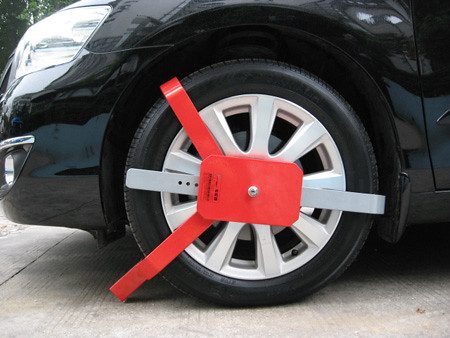
Bailiffs are equipped with portable eftpos machines, allowing immediate payment and vehicle release. The Ministry of Justice has assured that discretion will be applied in special cases, and individuals experiencing hardship are encouraged to communicate with authorities to avoid vehicle seizure.
The scheme addresses longstanding issues with the recovery of fines, which total over $100 million across the country, as well as substantial unpaid reparations owed to victims of crime. The government aims to ensure victims receive compensation as swiftly as possible and that offenders meet their legal financial obligations.
Ruth Money, chief victims adviser, praised the campaign for supporting victims, emphasising, “Every dollar makes a big difference to those victims who at times wait years for their reparations to be paid, and it also retraumatises you because you get a monthly reminder that you’re being drip-fed this tiny amount of money.”
She also proposed a system adopted by countries including Germany and Spain, where the state compensates victims initially and then seeks repayment from offenders, though this model has not yet been adopted locally.
Labour’s justice spokesperson Duncan Webb cautioned that many who owe fines are already struggling financially. “A lot of the people who owe fines are already on Struggle Street and taking away their car, which is what happens in these instances. They might not be able to get to work, to job interviews, or pick up their kids,” he warned, pointing to potential social consequences of the enforcement.
Under current law, courts can seize property to recover unpaid fines, with vehicles sold at auction if fines remain unsettled after a seven-day grace period. Those with outstanding fines may also face travel restrictions.
As the government rolls out this enhanced enforcement regime, it seeks to balance effective fine recovery and victim compensation with fairness and social impact. The ongoing monitoring aims to mitigate negative effects on vulnerable groups while reinforcing the importance of meeting court-ordered financial responsibilities.