

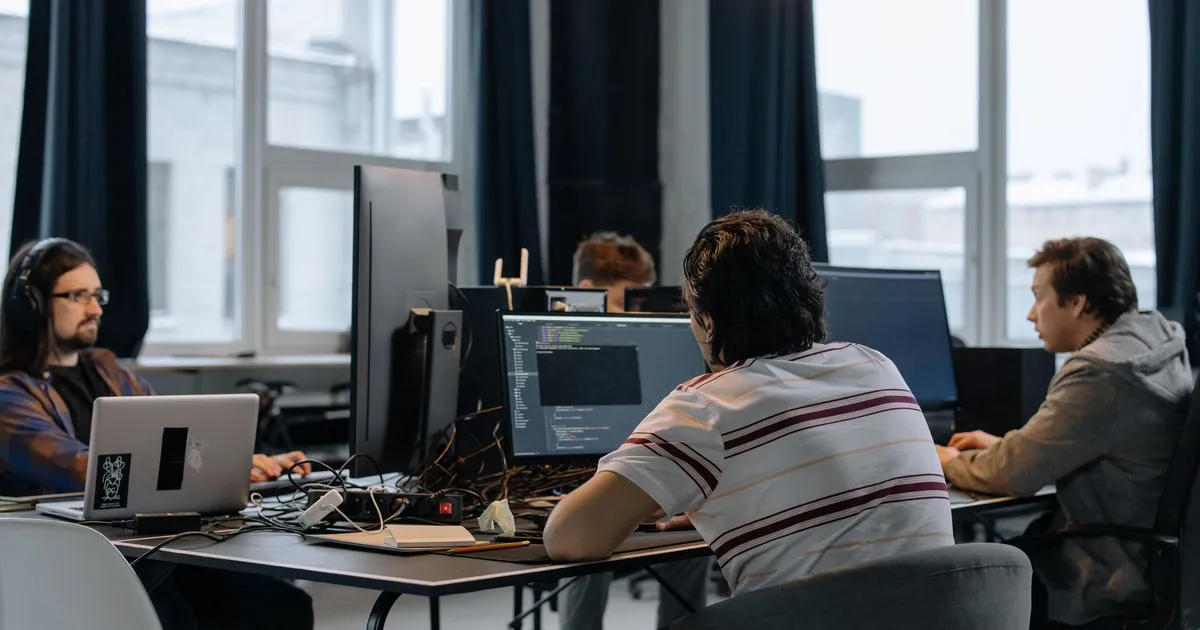
New Zealand has quietly built an export industry that sends almost everything it makes offshore, pays back its subsidy many times over and does it largely from small studios. NZ First has noticed. Its election pitch is to lift the Game Development Sector Rebate from 20% to 40%, raise the annual per-studio cap from $3 million to $10 million and drop the minimum qualifying spend from $250,000 to $150,000.
The case for backing gaming is strong. The problem is that the money behind the promise does not obviously match the promise itself.
An export sector hiding in plain sight
The official numbers are hard to argue with. NZ On Air data shows rebate recipients earned record revenue of $829 million in 2025/26, up 17%, with export revenue making up 98% of the total. Forty-three studios shared $21.9 million across 194 games in development.
NZ First’s broader figure puts the whole industry at $1 billion in 2026 revenue, and claims the latest rebate round generated $213 million in income tax and PAYE, a reported $9.73 return for every dollar. Even if that multiplier is generous, the direction is clear. The NZGDA’s 2025 report, covering the year to March 2025, put the return at $4.74 per dollar, with 95% of income from overseas and 83% of studios locally owned.
This is not contract work either. In 2025, NZ On Air counted 144 original IP titles among 170 eligible games. That is the kind of ownership that keeps wealth onshore, a weightless export with a rare productivity profile.
There is a caveat worth naming. Total employment across the 2026 cohort fell from 1,288 to 1,124 FTEs, even as the average returning studio grew its workforce 14%. Growth is real, but concentrated.
Australia set the price of staying
The policy is driven by the neighbours. In 2025, RNZ reported Australian developers could access rebates of 30-40% up to AU$20 million plus state incentives, and that the two largest Kiwi studios were already maxed out at the $3 million cap. PikPok said at the time the rebate was the difference between staying and moving offshore.
That same year, Stephen Knightly, then RocketWerkz chief executive, said the scheme had kept studios from moving overseas, admitting he had considered building a team in Australia before hiring in Auckland. Now chief operating officer, Knightly says NZ First’s plan is “closing the gap that Australia continues to have over our industry”, and that New Zealand would be naive not to compete.
Labour is offering a 25% rebate capped at $4.5 million. NZGDA executive director Joy Keene backs the bigger offer, calling a 40% rate “the settings our studios need to grow faster, keep our graduates onshore”.
The corporate handout framing does not fit well. Studios can only claim if they route revenue through the New Zealand tax system. The rebate effectively buys tax residency and local payrolls.
Generous settings, modest pot
Here is the tension nobody has addressed. NZ First doubles the rate, more than triples the cap and widens eligibility to smaller studios, yet total annual funding rises only from $40 million to $45 million by 2028, per the party’s own policy. That is a 12.5% increase in the pool against a claims pipeline that could easily double.
Run the numbers. At 20%, the 2026 round paid $21.9 million. Double the rate on the same spend and claims approach $44 million before a single new studio enters or a big studio uses its higher cap. Add the newly eligible smaller studios and the $45 million ceiling is likely to bind quickly.
There are only two readings. Either NZ First is betting the fiscal multiplier keeps rising and a future government tops up the pot, or the headline rate gets rationed once demand outruns supply. The second outcome recreates the exact cap problem that pushed PikPok and others to lobby in the first place, just at a larger scale.
CODE is the cheaper bet
The less flashy half of the policy may be the better value. Dunedin’s Centre of Digital Excellence, seeded with Provincial Growth Fund money, has helped launch 20 studios, and one became so successful its corporate tax alone covered CODE’s original six-year grant programme. Baselining it at $5 million a year, rising to $7 million, swaps one-off appropriations for certainty.
NZ On Air’s Chantelle Cole says the data points to the sector “continuing to emerge as one of our most successful digital export industries”. Treating gaming with the seriousness usually reserved for film and primary exports is overdue.
The sector has earned a better rebate. What it needs from whichever party wins is a budget that matches the rate, or the $3 billion export ambition becomes another queue for a capped pot.
Sources
- RNZ: NZ First proposes big increase to taxpayer subsidies for video game developers (2026-10-20)
- NZ On Air: Game Development Sector Rebate – Year Three infographic (2026-07)
- NZ First: NZFirst to fund NZ’s gaming industry sector, keeping talent and companies in NZ (2026-10-20)
- Daily8: NZFirst to fund NZs gaming industry sector, keeping talent and companies in NZ (2026-10-20)
- NZGDA: 2025 Annual Industry Report released (2025)
- NZ On Air: Game Development Sector Rebate, Our Year in Review 2024-2025 (2025)
- RNZ: Local game developers call for more tax relief to stay in New Zealand (2025-04-22)
- Newstalk ZB: Video game industry buffed by $160m rebate, employment rises by 20% (2025-07-10)
- Newstalk ZB: Closing the gap with Australia, game developer in favour of NZ First’s plan to boost rebate (2026-10-21)
- NZ Herald: Election 2026, NZ First promises to double tax rebate for video game makers (2026-10-20)
- NZ On Air: NZ games sector shows continued growth as new GDSR data released (2026-07-08)
Join the discussion
Add useful context, ask a good question, or challenge an idea — keep it specific and respectful.