

The slump-era discount is expiring
The Cordell Construction Cost Index rose 0.9% in the December 2025 quarter, the largest quarterly increase since Q3 2024. The annual rate lifted to 2.3%, up from 2.0% the previous quarter. NBR described the trajectory as edging toward “concerning” levels as the sector moves into a more active phase.
At 2.3%, the annual rate sits comfortably below the long-term average of 4.1% since late 2012. That average is where costs are heading, not where they’ll stop. Anyone using the past two years of subdued pricing as a baseline for project feasibility is building on sand.
Fuel is the new supply chain crisis
This isn’t a repeat of the post-COVID chaos that pushed the CCCI above 10% annual growth in late 2022. There are no plasterboard shortages or container ships stuck in canals. The pressure is narrower but hits faster.
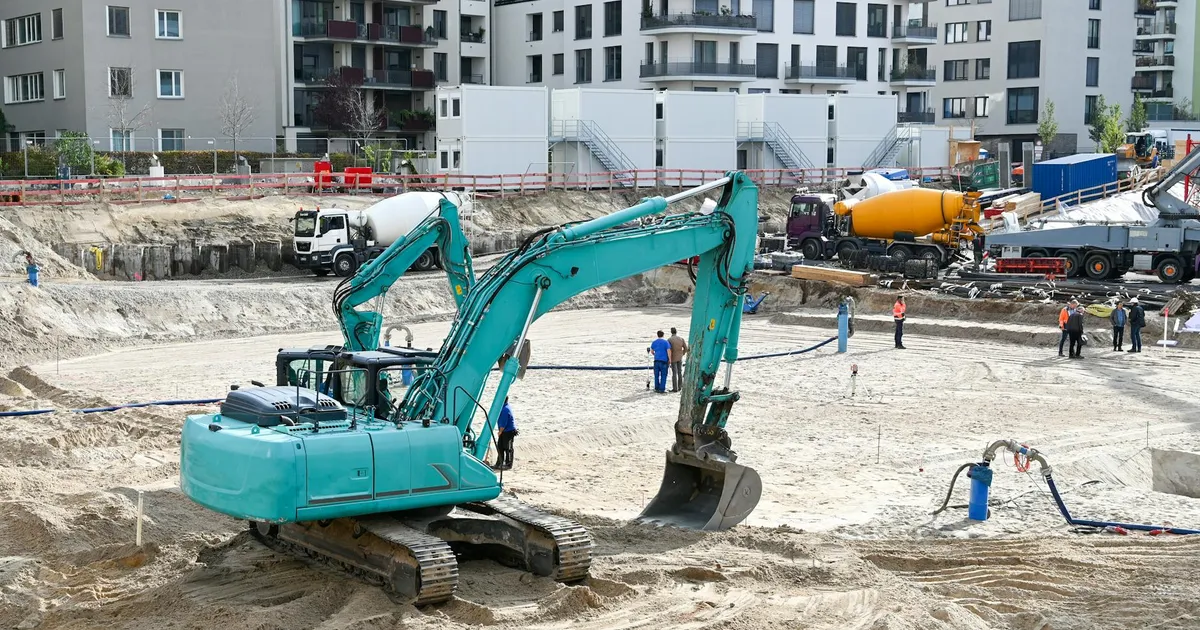
QV CostBuilder data tracking more than 11,000 material prices showed fuel-intensive trades leading the charge: excavation up 7.8%, site preparation up 2.0%, and substructure up 1.8%. QV CostBuilder spokesperson Martin Bisset said the increase in diesel prices had “immediate impact” on excavation, site preparation and substructure work where fuel is a significant machinery input.
Apollo Projects executive director Paul Lloyd reported seeing a 30% increase for one material that is both freighted and oil-based, noting that even drainage pipe involves significant heating and production costs. His warning was blunt: “Even a 2% or 3% or 4% increase overall, that can be the margin of a project, and then the whole pyramid starts to topple.”
Two thirds of builders are wearing the hit
A nationwide survey by the Combined Building Supplies Co-operative found over 84% of builders have felt moderate to significant impact from fuel price increases in just the past 30 days. Travel to and from site hit 86% of respondents, followed by delivery and freight charges at 49% and supplier price increases at 48%.
The critical finding: 67% of builders report suppliers have already increased pricing or introduced fuel-related surcharges, with some reporting increases ranging from 5% to more than 30% across key materials and freight. Yet over 60% of builders are still absorbing those cost increases rather than passing them to clients.
CBS CEO Carl Taylor was direct: “This isn’t coming, it’s already here. Costs are rising fast, and builders are the ones wearing it.”
This is the gap between headline indices and reality. The CCCI measures input prices. It doesn’t capture the margin compression happening inside building businesses that are holding prices to keep work flowing through the door.
A weakened sector meets rising costs
Residential completions fell to 30,900 dwellings in the year to September 2025, down 24% year-on-year. Years of lower activity have hollowed out balance sheets. BDO construction sector leader Nick Innes-Jones warned that firms “might not just have that balance sheet to get them through” after coming off slower years, with subcontractors the most exposed. EBOSS noted insolvency activity remains elevated even as sentiment improves.
The recovery signals are real. Mortgage lending surged 60% month-on-month in December 2025. Building merchants were up 12.1% year-on-year. A Forsyth Barr February 2026 sentiment survey showed a net +36% of firms expecting profit increases. But recovery in demand is precisely what removes the last check on pricing. When contractors are competing for scarce work, they hold prices down. When work picks up, they don’t have to.
What this means if you’re commissioning work
For developers running feasibility models, business owners planning fit-outs, or investors in residential builds, the implications are direct. The cost relief of 2023-2024 is fading and should not be your baseline for forward planning. Any project with significant earthworks or freight-intensive materials carries elevated fuel exposure. The contractor quoting you today may be absorbing costs to win the job, and that has a shelf life.
Official Stats NZ data for December 2025 shows total building value of $7.7 billion, down 3.6% year-on-year, with non-residential work falling 9.9%. The sector is not yet in recovery mode across the board.
Build contingency into your budgets. The subcontractor pipeline is fragile, insolvency risk is elevated, and the comfortable period of flat construction costs is over. The question now is not whether prices rise further, but how quickly the 60% of builders currently eating the increases decide they can’t any longer.
Sources
- Construction costs climb as consents rise, housing stabilises | NZ Adviser
- Construction costs edge back to concerning levels: economist | NBR
- Fuel spike puts fresh pressure on NZ building costs | NZ Adviser
- It’s going to get messy: Construction costs to jump | RNZ
- Construction costs poised to surge, industry warns | B2B News
- Builders are carrying it but they can’t much longer: Fuel costs hit breaking point | Scoop
- Early recovery, fragile foundations: Key signals for NZ’s construction sector | EBOSS
- Building work value rises: Dec 2025 quarter report | Mirage News
- Cost of building a new house set to rise | RNZ