

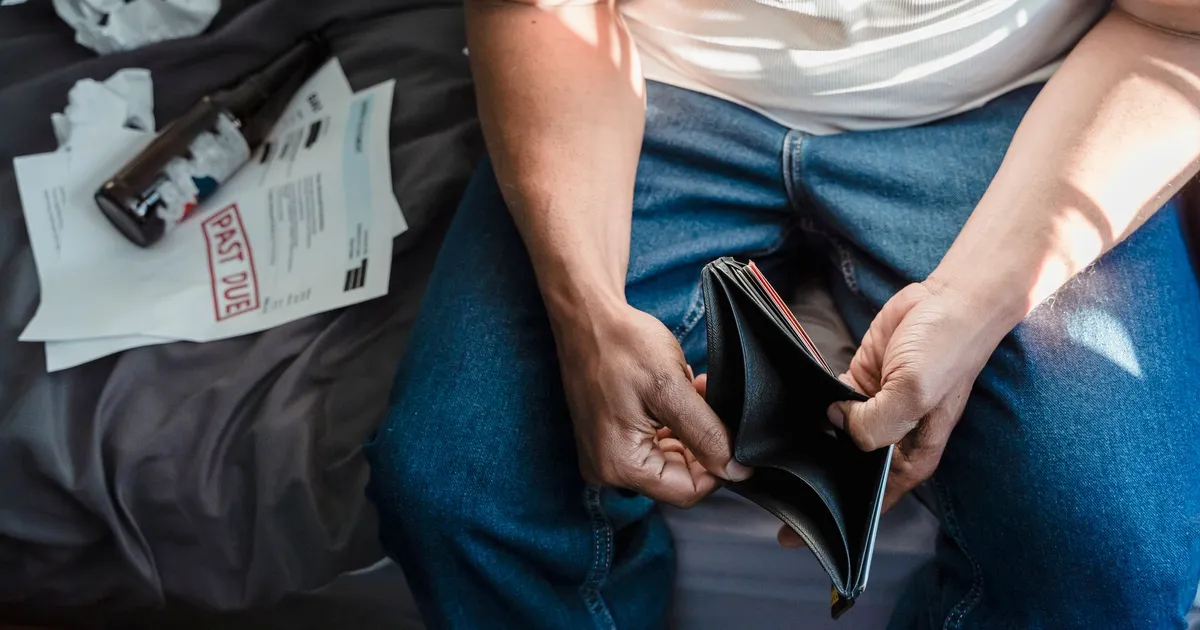
The recovery signal that isn’t
New Zealand’s personal insolvency numbers are falling, and on paper that reads like good news. Formal proceedings have dropped from more than 3,000 a year in 2017/18 to fewer than 1,500 in 2024/25, covering bankruptcy, no asset procedures and debt repayment orders administered by the Official Assignee.
But a falling insolvency count is not the same thing as households repairing their balance sheets. The macro narrative is starting to turn positive while a large slice of the population is still carrying recession-era damage, and the statistics that headline the recovery are measuring the wrong thing.
The KiwiSaver sticking plaster
The clearest tell is what has been rising while insolvencies fall. KiwiSaver hardship withdrawals have hit record levels, and financial mentors say the two trends are linked. Jake Lilley, spokesperson for financial mentor network Fincap, says many people prefer a KiwiSaver withdrawal over a no asset procedure or other formal insolvency route. Lilley says 40% of financial mentors’ time now goes to responding to hardship withdrawal requests.
The trouble is KiwiSaver can only be tapped for arrears, not for debt that isn’t yet overdue, according to Christine Liggins of DebtFix. People are trading retirement security for short-term relief, and none of that shows up in the insolvency count. Simplicity chief economist Shamubeel Eaqub takes a more sympathetic view, noting it’s their money and most applications relate to job loss or health issues. Both things are true. The retirement trade-off is real and largely invisible.
The number that dwarfs the headline
The measure that actually tracks household stress is arrears. Liggins points out there are still 450,000 people behind in payments every month. That population is managing distress informally through payment deferrals, lender hardship arrangements, KiwiSaver drawdowns, and in some cases simply not paying. It dwarfs the fewer than 1,500 formal insolvencies and tells a very different story about where households actually sit.
The backdrop supports that read. In August 2023, Te Ara Ahunga Ora Retirement Commission research found 55% of New Zealanders were struggling financially, the highest level since surveying began, with stress worst among 18-to-35-year-olds at 76%. That survey is now nearly three years old, but the arrears and hardship-withdrawal data suggest the squeeze has not eased.
The business side is worse, and it’s flowing to owners
For B2B News readers the corporate picture is the more directly relevant one, and it moved the opposite way. The BWA Insolvency Quarterly Market Report shows business insolvencies more than doubled from a pandemic-era low of 1,244 cases in 2021 to 2,545 in 2024. That is not an overshoot. In a speech delivered in October 2021, then-RBNZ Deputy Governor Geoff Bascand recorded just 69 corporate liquidations for the year ending June 2021 against 377 for the year ending June 2009, showing how artificially suppressed pandemic-era numbers were. The doubling is a return toward normal, not a departure from it.
Business distress rarely stays contained. It hits employee confidence, strains suppliers, halts investment and follows owners home. And there is a delayed hit coming for sole traders and directors specifically. Liggins warns of a familiar sequence where a small company goes into liquidation and the director declares bankruptcy later. With Inland Revenue actively chasing outstanding tax debt, that enforcement is working through the system now. The personal bankruptcy wave it generates may not appear in the statistics for another year or two, which means today’s low number could be a lagging indicator dressed up as a leading one.
Why the taboo costs money
The deeper problem is that stigma is pushing people away from the process built to help them. Lilley points to a taboo around insolvency that he traces to centuries of harsh treatment of debtors and headlines linking bankruptcy to unethical conduct. That taboo is most damaging for sole traders and small business owners, who tend to conflate personal and business distress and delay seeking advice until options have narrowed.
The framework itself invites the aversion. Bankruptcy runs for seven years with credit, employment and travel consequences. Liggins argues it should be abolished in favour of a flexible debt solution. The economics back the concern, up to a point. NBER research found that when formal insolvency becomes harder to access or more stigmatised, people substitute informal alternatives offering less protection, which is precisely the KiwiSaver dynamic playing out here.
The practical takeaway for owners is unglamorous but consistent. Early advice produces materially better outcomes than trading through distress, more pathways stay open the sooner you act, and the shame that stops people picking up the phone is costing them money, retirement savings, and sometimes the business itself. The falling bankruptcy number is not telling you the pressure has lifted. It is telling you the pressure moved somewhere the statistics don’t look.
Sources
- 1News: Here’s how many New Zealanders are going bankrupt (2026-07-09)
- BWA Insolvency: Business Insolvency Struggles – The Human Impact (2025-07-15)
- Te Ara Ahunga Ora Retirement Commission: More than half of New Zealanders struggling with money (2023-08-15)
- BIS/RBNZ: The contribution of strong balance sheets to New Zealand’s economic resilience (2021-10-14)
- NBER: The Economic Consequences of Bankruptcy Reform (2019-09-01)
- Consumer Protection: Bankruptcy and insolvency