

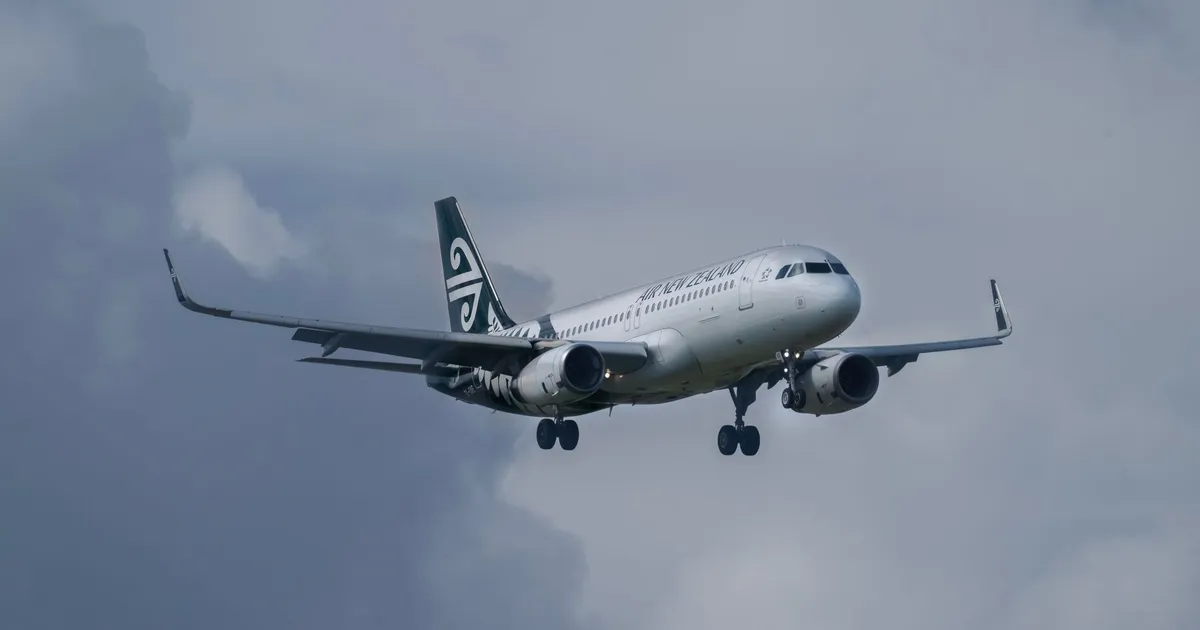
The planes are back. The relief isn’t coming
All 14 of Air New Zealand’s Boeing 787 Dreamliners are back in service, with the last one returning from storage in Alice Springs in late June and only two Airbus neos still grounded as of early July 2026. At the low point of the engine crisis, five Dreamliners and six Airbuses were out of service at once, forcing the airline into expensive wet-leases from foreign operators.
The obvious question for anyone who has bought a domestic ticket lately is whether more capacity means cheaper fares. The honest answer is no, and the reasons are worth understanding because they tell you exactly how Air NZ intends to treat its most captive customers.
Yield over volume, by design
New chief executive Nikhil Ravishankar used a late-June investor briefing to unveil a strategy reset, Te Pae Hou, built on chasing high-value travellers rather than filling seats cheaply. Two Dreamliners originally due late 2026 have been pushed back to the first half of 2027, deliberately limiting capacity growth to protect pricing power.
The rest of the plan points the same direction. Dreamliners are being retrofitted with more premium cabins and a Skynest bunk product priced at $495 for four hours. Future 787s on order will carry fewer economy seats. On short-haul, the airline is unbundling, charging separately for bags, meals, seat selection and entertainment to lift revenue per passenger without adding a single flight.
Ravishankar has been blunt about where fares sit. “The price is what it is, and we know we’re at the edge of what our customers can afford,” he said. That is not the language of an airline about to hand savings back.
Business travellers are the product
This is where it gets pointed for anyone who books corporate travel. Air NZ’s own data shows business commuters make up 17% of regional passengers but generate more than 35% of regional revenue. The airline knows precisely what its road-warrior base is worth, and its domestic strategy is engineered to extract maximum yield from it.
The competitive backdrop makes that easier. Jetstar has pulled back domestic capacity during the fuel crisis, removing the main low-cost check on Air NZ pricing. On many regional routes the airline operates a near-monopoly. NZ Airports Association chief executive Billie Moore put the economics plainly. “Without competitive pressure, airlines will rationally charge what they believe consumers are willing to pay,” she said, adding that broad price drops were unlikely while the airline rebuilds its balance sheet.
The freeze ends July 19
A self-imposed fare and service freeze runs only until Sunday, July 19, the end of the school holidays. After that, the airline has flagged consolidations affecting 5 to 10% of scheduled flying across August, September and October. The logic is explicit. “We’re trying to do less flying where we can consolidate two flights and not fly two half flights, but fly a single flight so we halve the fuel bill,” Ravishankar said. For travel managers, the post-holiday window could bring higher fares and thinner schedule options on marginal routes at the same time.
Why management can’t be generous
The financial hole explains the discipline. Air NZ has forecast a pre-tax loss of $340 million to $390 million for the year to 30 June 2026 and is targeting $100 million in annualised savings from FY2027. Chief financial officer Richard Thomson noted that “the economics deteriorate quickly” when an airline cannot fly aircraft it owns. Now that it can, the priority is recouping losses, not sharing the recovery.
The grounding was genuinely painful. In October 2025, Reuters reported that weak forward bookings on domestic and US routes were set to knock NZ$50 million off first-half revenue, with nine to eleven aircraft out at various points.
Where fares actually could fall
The one bright spot is genuinely new competition. The recovered fleet, part of an operating base of 115 aircraft with 14 on order, will support new Christchurch services to Singapore, Tokyo and Perth. On Singapore and Perth, Air NZ goes head to head with Singapore Airlines and Jetstar, so promotional fares are likely. That is the lesson of the whole story. Where competition exists, prices move. Where it doesn’t, they don’t. Business travellers on thin domestic routes should plan accordingly.