

A commercial pick, not a cultural one
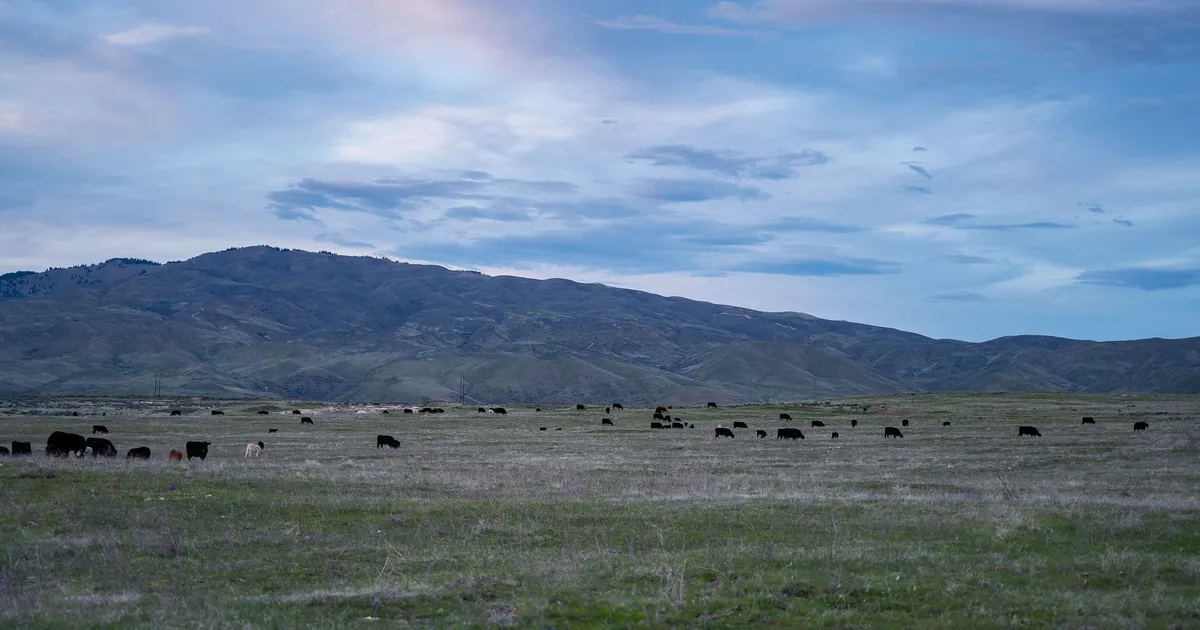
Make no mistake about why this happened. On 31 July 2026, the Department of Conservation named Ngāi Tahu Farming as its preferred operator to negotiate a farming concession for Molesworth Station, 180,787 hectares of Marlborough and North Canterbury high country that is larger than 10 of the country’s national parks and slightly bigger than Rakiura/Stewart Island.
DOC received five applications and rejected four. Deputy Director-General Regional Operations Henry Weston was blunt about the rationale. The decision “ultimately came down to Ngāi Tahu Farming… having the strongest experience of farming at scale in the high country,” he said, with “strong financial and business foundations offering long-term security for the Crown.”
The track record supports it. Ngāi Tahu Farming already runs three high-country stations covering 36,000ha within a 100,000ha portfolio of farming and forestry land across the South Island. Molesworth would roughly double its high-country footprint.
Federated Farmers signed off on the maths
The telling endorsement came from Federated Farmers, a body not known for backing iwi appointments on sentiment. President Colin Hurst backed the pick on straight commercial logic, saying Ngāi Tahu Farming has “a strong balance sheet that would allow them to keep farming through tough years with drought or poor commodity prices” and is well placed to run “an integrated system with existing finishing farms around North Canterbury.”
That integration is the real edge. Breeding stock on Molesworth’s tussock and finishing them on lower North Canterbury properties is a model a standalone operator without existing South Island infrastructure would struggle to build from scratch. It is the kind of scale advantage that wins competitive tenders.
The unsuccessful bid that will sting
The pick came at a human cost. Jim Ward spent 24 years managing Molesworth and a further year developing a charitable trust proposal he called “a station for the nation.” He was told he had lost in a phone call roughly 90 minutes before the public announcement, and says DOC has not told him why. “I’m absolutely gutted,” he told media. His public-legacy model was a genuine alternative vision. DOC chose commercial viability and financial resilience over it.
The concession isn’t signed
Here is where business readers should slow down. This is not a done deal. Ngāi Tahu Farming has been chosen as the preferred operator to negotiate. It must now formally apply for a concession that will be publicly notified for submissions, and the financial terms, including any payment to the Crown, remain undisclosed and subject to negotiation.
The performance obligations are explicit. Weston flagged “high expectations regarding public access and weed and pest control.” These are not peripheral courtesies. The Acheron Road running through the reserve is open to the public each summer, making Molesworth one of the few working stations most New Zealanders can drive across, and pest control across 180,000 hectares of dry tussock is a significant inherited cost.
Stewardship framing, commercial reality
Te Rūnanga o Ngāi Tahu chief executive Ben Bateman framed it as more than money, calling Rangitahi “an ancestral landscape woven into the whakapapa of Ngāi Tahu, Ngāti Kurī, Ngāti Māmoe and Waitaha” and committing to a concession that is “good for all New Zealanders” with public access and biodiversity “central to how we would manage” it.
Those commitments will be tested in public. Hurst stressed that “Molesworth’s core focus remains maintaining a viable pastoral livestock farming operation, as it has been for the last 175 years,” alongside protected public access and active weed and pest management. That is a lot to deliver simultaneously.
The outgoing lease, held by state-owned Pāmu, expired on 30 June 2026. What replaces it is a high-visibility test of whether a well-capitalised iwi operator can run scale agriculture on public conservation land while keeping the gates open and the weeds down. A well-run business earned the right to try. Now it has to prove the model works on terms still to be written, on land that belongs to everyone.
Sources
- Ngāi Tahu Farming selected as preferred operator to negotiate for Molesworth lease (2026-07-31)
- Ngāi Tahu Farming chosen to operate New Zealand’s largest farm, Molesworth Station (2026-08-02)
- Former Molesworth manager ‘gutted’ as Ngāi Tahu wins bid to run iconic station (2026-07-31)
- Federated Farmers Statement On The Future Of Molesworth Station (2026-07)
- New preferred operator chosen for New Zealand’s largest farm (2026-07-31)
- Ngāi Tahu Farming picked to run Molesworth Station (2026-08-02)
- Ngāi Tahu Farming chosen to operate country’s largest farm (2026-07-31)