

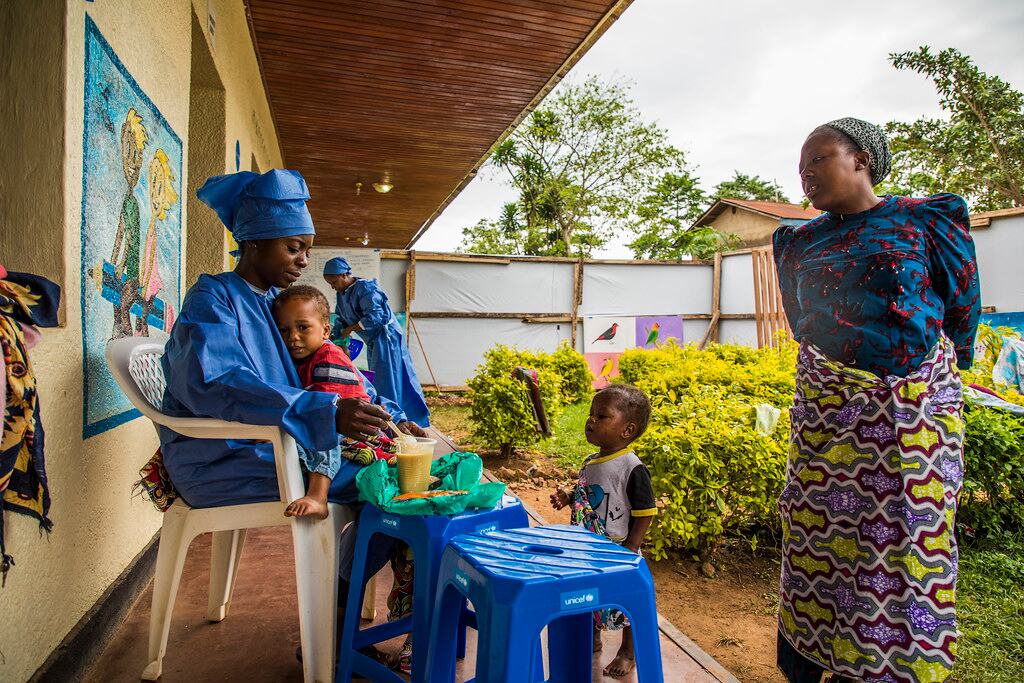
Health authorities are racing to contain a fast-moving Ebola outbreak in the Democratic Republic of Congo, where the number of suspected infections has climbed above 1,000 and at least 246 people have died.
The crisis is centred on Ituri province in the east of the country, an area where conflict and displacement have made it harder for medical teams to reach affected communities. Neighbouring Uganda has also reported nine confirmed cases and one death, adding to concerns that the virus could spread further across the region.
Médecins Sans Frontières (MSF) said the outbreak was developing at an alarming pace and warned that the response had yet to catch up with the number of new suspected cases being identified.
“Two weeks after the declaration of the Ebola disease outbreak in Ituri Province, the situation is deeply alarming,” MSF deputy director Dr Alan Gonzalez said in a statement.
“The reality today is that nobody knows the true scale and severity of this outbreak. New suspected cases are being reported daily, yet hundreds of samples remain untested.”
Dr Tedros Adhanom Ghebreyesus, director-general of the World Health Organization, travelled to Bunia, the provincial capital, to assess containment efforts and meet health workers. He urged residents to work closely with medical teams, particularly as traditional burial practices can increase the risk of transmission.
“Certain practices including touching of bodies of those who have died from Ebola, can spread the virus further. While we grieve for those we’ve lost, we must do everything we can so that we don’t lose another, and get into a cycle of grief,” Tedros said.
Precautionary measures are now visible across Bunia. Travellers arriving at the airport are directed to handwashing stations, while public health messages are being broadcast in French and local languages. A laboratory in the city can also return test results within 24 hours, reducing delays caused by sending samples to Kinshasa.
The outbreak involves the Bundibugyo strain of Ebola, which has no proven vaccine. The virus spreads through contact with infected bodily fluids or contaminated materials, including clothing, bedding, and medical equipment.