

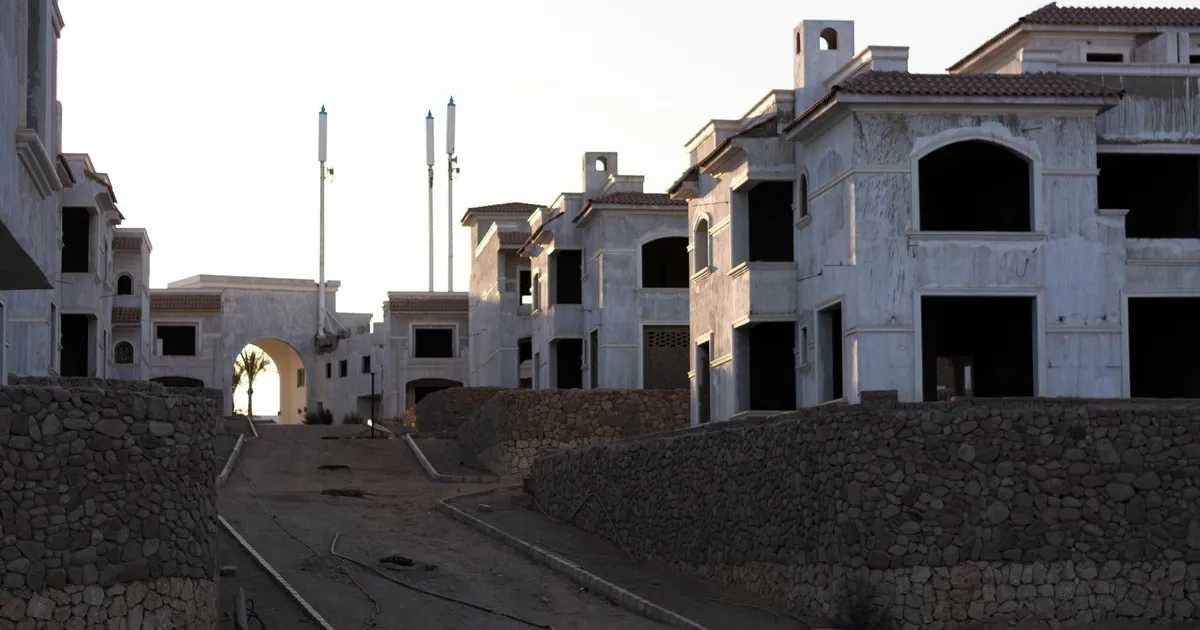
A theft charge, an insolvency, and a fundraising pitch
Samuel Luke Macfarlane, director of Queenstown-based MGM Homes, appeared in Queenstown District Court on 11 August on five counts of theft by a person in a special relationship, a charge carrying a maximum penalty of seven years’ imprisonment. He appeared by video link and was remanded on bail without plea to reappear in October.
The timeline is what makes this case sting. MGM Homes had been selling house and land packages across the South Island. Customers who paid large deposits could not get their money back after major delays. In May 2026, Macfarlane told Stuff the company was insolvent, saying he had “taken all available steps to keep the company trading and to repay customers where possible.” On 6 August, the High Court at Dunedin placed the company into liquidation on a customer’s application, with liquidator Damien Grant of Waterstone noting he was reviewing “potential financial anomalies” in the records.
Meanwhile, Macfarlane was reportedly active on property investment Facebook pages seeking $1 million to complete an 18-unit residential project and more than $2 million for a new virtual reality house design venture incorporated in January 2026. Insolvent to depositors, out raising millions elsewhere.
Queenstown keeps producing the same story
This is not a one-off. In July 2025, Newsroom reported that Formcrete Construction and connected companies were placed into liquidation owing $8.6 million to creditors, including $3.6 million to Inland Revenue, leaving scaffolders, builders and law firms chasing disconnected phone lines and silent building sites.
The deeper precedent is Kawarau Falls Station, where 71 investors, many from Singapore and Malaysia, paid roughly $10 million in deposits for luxury apartments that were never fully built. A decade of litigation ended with a 2017 Supreme Court ruling ordering the full return of deposits plus costs. Lawyer Phil Creagh described it in 2017 as a “$50 million swing judgment” and noted contracts were “particularly vague with overseas buyers, allowing developers to sidestep Securities Act disclosure requirements.” Different decade, same trust gap.
The reform that skipped homebuyers
Here is the part that should annoy anyone who has bought off-plan. In October 2023, new retention money requirements took force under the Construction Contracts Act, requiring retention money to be held on trust in cash or liquid assets, backed by penalties of up to $50,000 for a director and $200,000 for a company. It was a genuine tightening of the rules for money owed up the contracting chain.
But the government’s own guidance is blunt: “Construction contracts with homeowners and residential occupiers are explicitly not impacted by these new requirements.” So a subcontractor on a commercial tower now has an enforceable trust and six-figure penalties protecting his retentions, while a family handing over a house deposit gets the Building Act’s disclosure checklist and no deposit protection mechanism at all.
Off-plan terms make it worse. In 2021, Farry Law noted that while deposits should be held by a stakeholder in the vendor’s solicitor’s trust account until settlement, “in practice most agents release deposits to vendor prior to settlement,” and warned that standard deposit provisions are “commonly heavily modified.” Even the Real Estate Authority’s trust account rules only bite where an agency relationship exists, which it often does not when a developer sells direct.
Directors are now on notice
The civil law is moving faster than the statute. In Batley v MacDonald [2025] NZHC 974, analysed by Richmond Chambers, two trusts paid deposits of $115,000 and $172,500 before the company stopped work and went into liquidation, having been balance sheet insolvent for around four years. The deposits were immediately used to settle older debts. Lawyer Nick Malarao described using new client money to plug pre-existing holes as “robbing Peter to pay Paul,” a potential breach of directors’ duties, and called the judgment “a cautionary tale for struggling company directors.” The MGM Homes theft charge goes further than civil liability, but the pattern is identical.
Why this matters now
The exposure is growing. A 2022 government research report found “shallow awareness and blind trust” in protection measures that often offer less than buyers assume, and flagged particular risk for apartment and townhouse buyers with no direct contract with the builder. That report noted 40% of new dwellings consented since mid-2019 were multi-unit, exactly the off-plan cohort most exposed.
For developers, the message is that market stress and good intentions are no longer a defence. For buyers, insist on independent legal advice, verify deposits are held by a stakeholder until settlement, and be wary of a developer-recommended lawyer. For lenders, the flagging of “financial anomalies” at MGM Homes is a due diligence prompt. The open question is whether Parliament will close a gap it deliberately left open in 2023, or wait for the next Queenstown collapse to make the argument for it.
Sources
- Queenstown developer accused of keeping people’s deposits appears in court charged with theft (2026-08-12)
- IRD and tradies owed $8.6m say Q’town development is left a ‘ghost town’ (2025-07-08)
- Beyond the corporate veil: Directors’ duties in construction (2025)
- A lesson from the failed Kawarau Falls Station Development (2017-10-10)
- New retention money requirements now in force (2023-10-05)
- Retention Money Guidance for the Construction Contracts Act 2002 (2024-12)
- Understanding the effectiveness of consumer protection measures in the building sector (2022-03)
- Trust accounts — Real Estate Authority
- Off Plan Development Contracts – Deposits Paid Towards Purchase of Property (2021-06)