

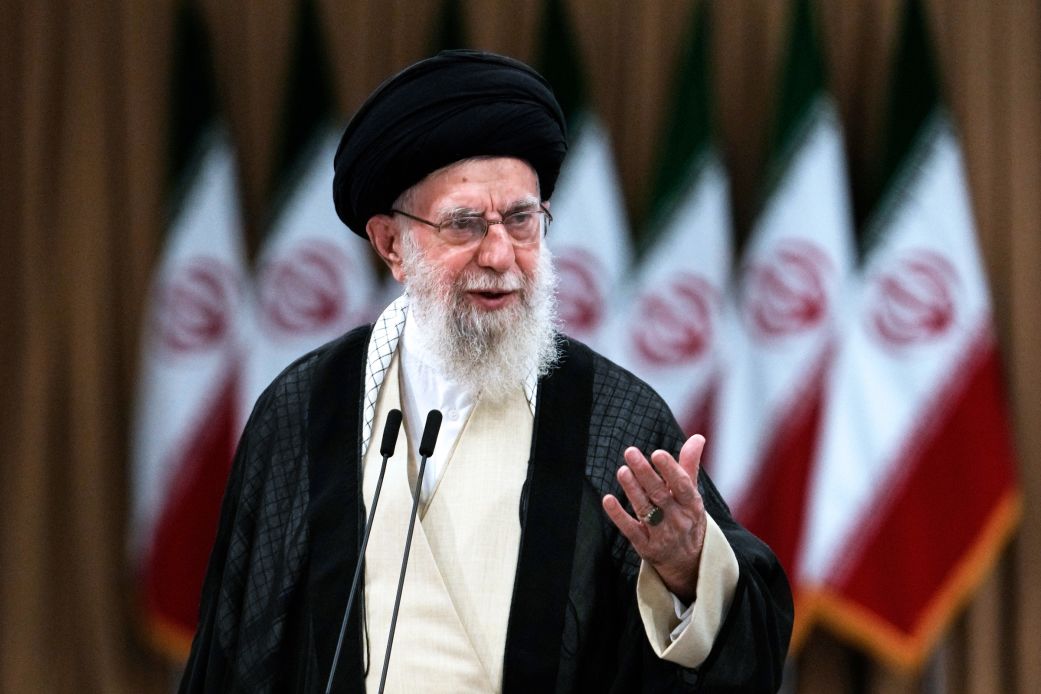
Ayatollah Ali Khamenei, Iran’s supreme leader whose unyielding opposition to the United States and Israel defined nearly four decades of rule, has died aged 86.
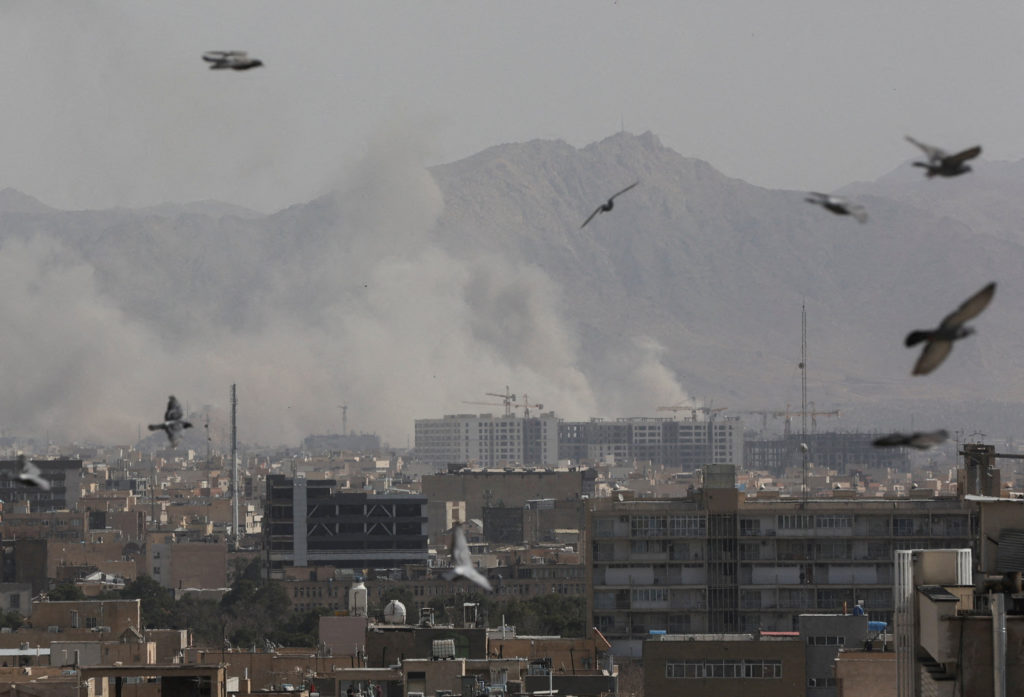
State media reported on Saturday that airstrikes by Israel and the U.S. razed his central Tehran compound, ending diplomatic bids to halt Iran’s nuclear advances.
Born in Mashhad in 1939, Khamenei entered the clergy young, defying his apolitical father’s path with revolutionary activism. Jailed repeatedly under the shah, including for torture, he rose post-1979 as defence aide in the Iraq war, Tehran preacher, and Khomeini-endorsed president before succeeding as supreme leader in 1989 despite modest clerical stature.
He amassed total authority over military, judiciary, security, and media, placing Revolutionary Guards allies at key posts after a 1981 assassination left his arm paralysed. Thwarting reformist leaders, he preserved isolation and anti-U.S. zeal, calling America “the Great Satan.”
“An accident of history who went from a weak president to an initially weak supreme leader to one of the five most powerful Iranians of the last 100 years,” said Karim Sadjadpour of the Carnegie Endowment.
Khamenei rejected nuclear weapon charges with a 1990s fatwa deeming them “against our Islamic thoughts,” backing 2015 curbs before Trump’s 2018 exit crippled exports. In 2025, he mocked U.S. demands: “Who are you to decide whether Iran should have enrichment?”
Billions fuelled the “Axis of Resistance”—Hezbollah, Hamas, Houthis, Shi’ite proxies—yet 2024 saw Assad fall and Israeli victories over allies. Clashes escalated from 2023 Gaza war to 2025’s full air assault, culminating Saturday after failed enrichment talks.