

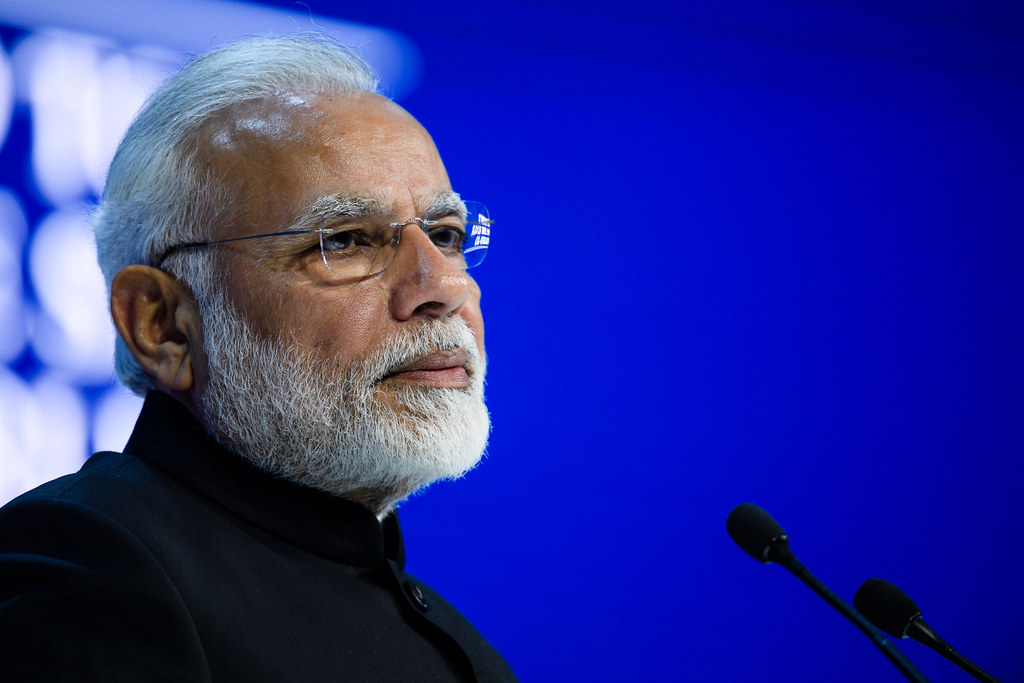
India’s outlook is coming under closer scrutiny as Prime Minister Narendra Modi moves deeper into his third term, with foreign investors pulling money from the country’s markets and rising energy costs clouding the picture.
India remains one of the world’s fastest-growing major economies, but its appeal has weakened as the conflict in the Middle East pushes oil prices higher. The shift is significant for a country that imports more than 85% of its crude oil and is highly exposed to global energy volatility.
Foreign portfolio investors have sold billions of dollars’ worth of Indian shares this year, extending the outflows recorded in 2025. The retreat has weighed on the rupee, making imported fuel more expensive and raising concerns that higher transport, manufacturing, and household costs could feed into inflation.
“India is no longer the obvious, one-way growth story investors assumed it was a few years ago,” said Alexandra Hermann Prasad, lead economist at Oxford Economics. She added that the economy still “remains strong by global standards,” although weaker consumption, fragile investor sentiment, and higher energy costs are creating new challenges.
The Reserve Bank of India has raised its inflation forecast to 5.1% for the financial year ending in March 2027 and lowered its growth estimate from 6.9% to 6.6%. The government has also announced measures aimed at attracting foreign capital, including tax relief for overseas investors in the bond market.
Analysts say those steps may help but will not resolve deeper concerns. India still faces long-standing barriers involving land acquisition, legal disputes, labour regulation, and access to reliable infrastructure. Advances in artificial intelligence have also raised questions about the future of the country’s IT and outsourcing sectors, which support skilled employment and consumer spending.
Bernstein has warned that India could become a “permanent consumer in the AI economy” unless it builds a stronger position in the sector. Data centres may attract investment, but analysts argue that they are unlikely to replace high-quality jobs lost as automation accelerates.
For Modi’s government, the challenge is convincing investors that India can manage the energy shock while delivering the reforms needed to remain competitive.