

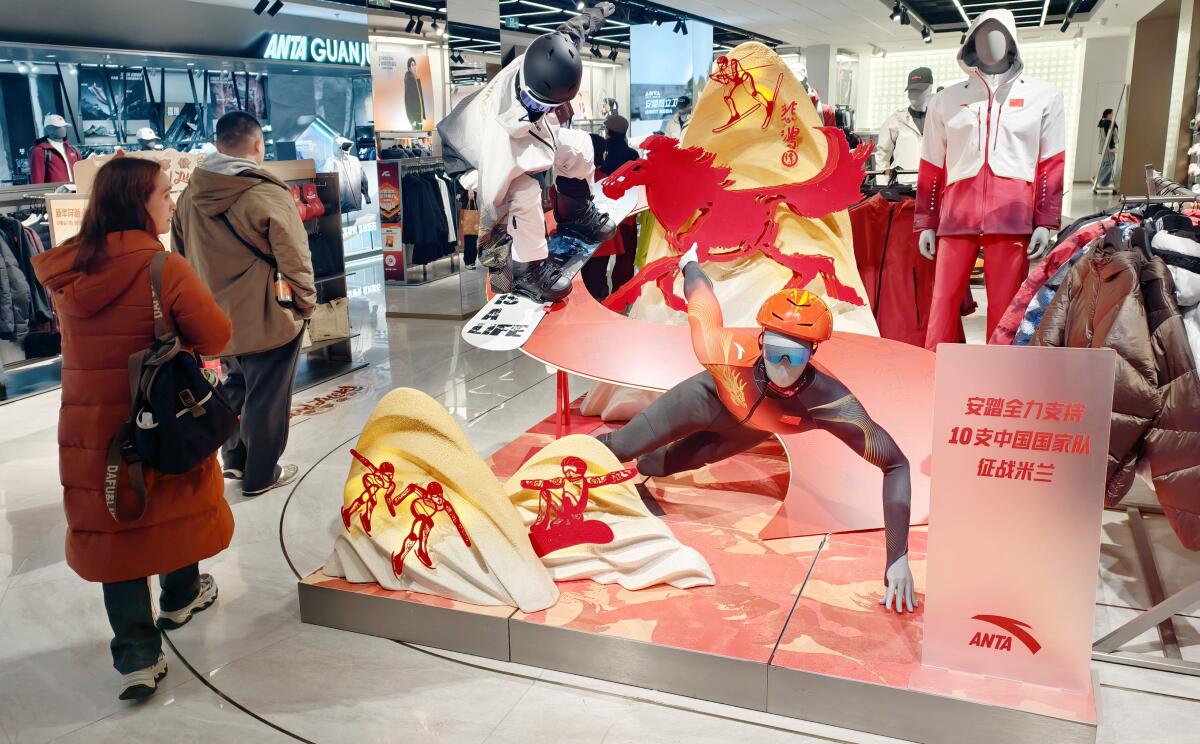
In the late 1980s, as China tentatively embraced market reforms, a 17-year-old dropout named Ding Shizhong arrived in Beijing with 600 pairs of shoes from a relative’s factory. He sold them to fund a workshop, launching what would become Anta, a £25 billion sportswear juggernaut now rivalling Nike and Adidas.
Anta, meaning “secure strides,” has built an impressive portfolio including Arc’teryx, Salomon, and a recent 29% stake in Puma, as reported by Reuters in 2025.
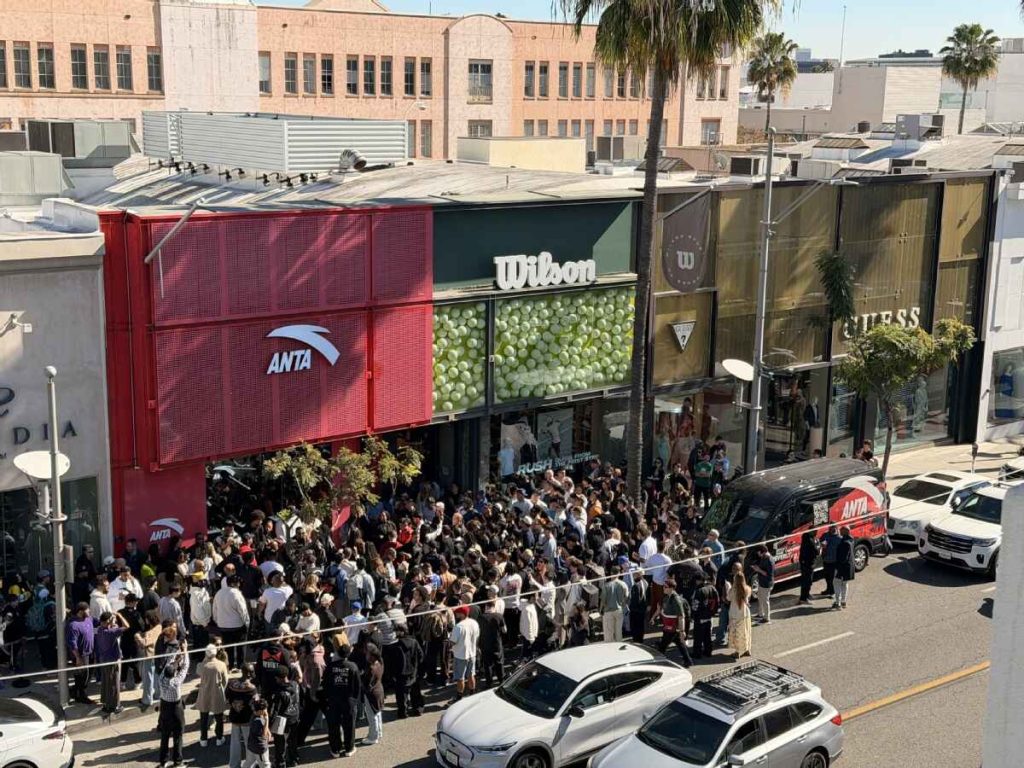
Ding laid out his vision in 2005. “We don’t want to be the Nike of China, but the Anta of the world.” With over 12,500 stores in China, dwarfing Nike’s global total of about 1,000, Anta holds 25% of the domestic market according to Euromonitor. It sponsors stars like freestyle skier Eileen Gu and debuted a flagship store in Beverly Hills in February 2026, even as U.S. tariffs loom under a potential Trump return.
This rise stems from China’s manufacturing heartland in Fujian province, where Jinjiang evolved into the world’s shoe capital. Towns like Chendai buzz with factories supplying soles, laces, and logistics for brands such as Nike and Adidas.
By the mid-2000s, the region produced 20% of global footwear, per UN estimates, teaching locals to innovate efficiently. “They learned not only how to make more, but how to produce better, faster and more consistently,” says University of Bath’s Fei Qin, who studied the factories.
Anta scaled by supplying Western giants, then pivoted to its own brand via a 2007 Hong Kong IPO that raised HKD3.5 billion. Branding expert Wei Kan notes such firms “naturally go on to bigger things,” citing parallels with Xiaomi, DJI, and EV leader BYD. “Each of these firms are now giants in their fields,” Kan adds.
A “multi-brand strategy” of acquisitions like Fila China (2009) and Amer Sports (2019) helps Anta bypass “made in China” scepticism. “That way Anta can reach buyers who may be wary of a ‘made in China’ brand,” says IMG analyst Rufio Zhu. Yet geopolitical tensions persist; ambassador Gu’s Olympic choice for China over the U.S. drew scrutiny. “Brands like Anta need to be ready for it,” Kan warns.
As Nike and Adidas battle tariffs and slowing Chinese demand, Anta gains ground. “The question isn’t whether Anta will raise their profile,” says marketer Zhu. “It’s whether competitors can adapt quickly enough.”
Anta’s spokesperson remains optimistic. “We’re realistic about the competition but the global sportswear landscape is not a zero-sum game. We are confident that sports lovers will recognise Anta’s innovations and brand value.”