


Microsoft is rolling out an early retirement scheme to roughly 7% of its US workforce for the first time, as the tech powerhouse seeks to streamline operations while pouring resources into artificial intelligence.
Employees become eligible when their age combined with years of service reaches 70 or more, according to the company. CNBC and Bloomberg were first to report the voluntary exit packages, and Microsoft confirmed the details to CNN. Workers at the senior director level and below can take part, with notifications scheduled for 7 May.
The news hit Microsoft shares hard, with the stock (MSFT) falling nearly 4% on the Thursday of the internal announcement.
This move fits into a larger pattern of workforce adjustments among tech leaders grappling with AI’s rapid evolution. Meta announced it would cut 10% of its staff, around 8,000 jobs, to boost efficiency and fund new priorities. Amazon eliminated 30,000 positions through layoffs in January and October. Block slashed 40% of its employees earlier this year, arguing that a significantly smaller team can do more and do it better with AI tools.
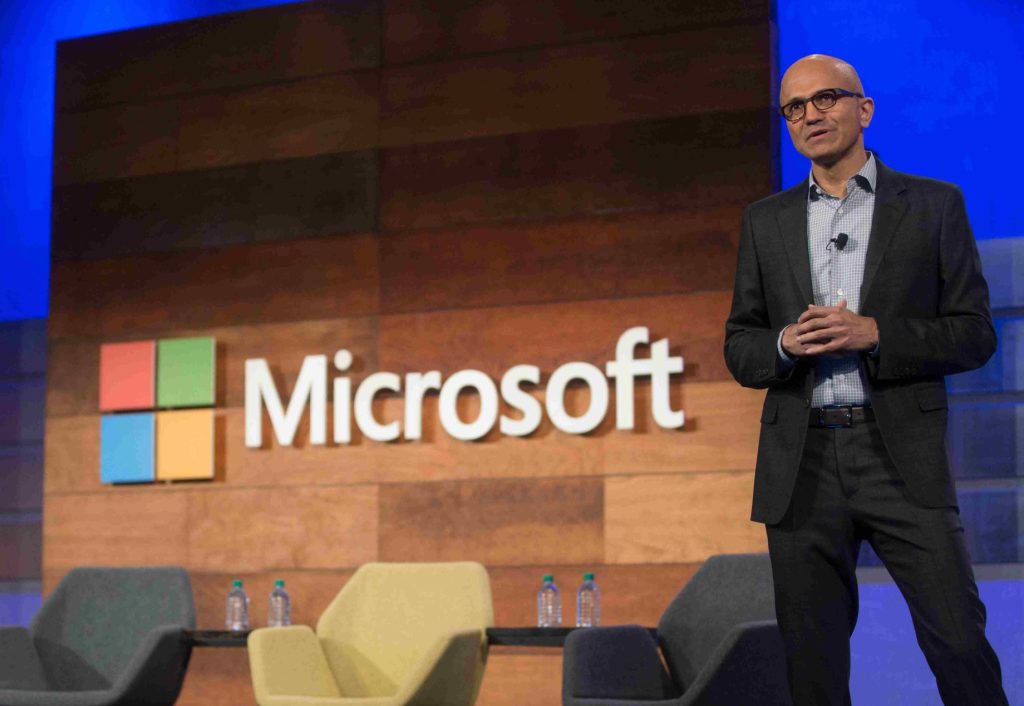
Microsoft itself spent $37.5 billion on data centres and infrastructure in the quarter ending December, underscoring its massive AI push. The company, like others, now provides developers with AI coding agents that handle complex tasks, enabling leaner teams to achieve more. Analysts at Gartner expect developer hiring to drop 20% across the sector by 2027.
The retirement offer comes after Microsoft laid off about 9,000 workers last summer, its largest reductions since 2023. In a memo addressing those cuts, CEO Satya Nadella pinpointed security, quality, and AI transformation as the firm’s top priorities.
“This platform shift is reshaping not only the products we build and the business models we operate under, but also how we are structured and how we work together every day,” he wrote. “It might feel messy at times, but transformation always is.”
Bloomberg Intelligence projects Microsoft will dominate a $200 billion AI infrastructure market by 2028, even as unions raise alarms about job security, similar to tensions at Google and Amazon.