

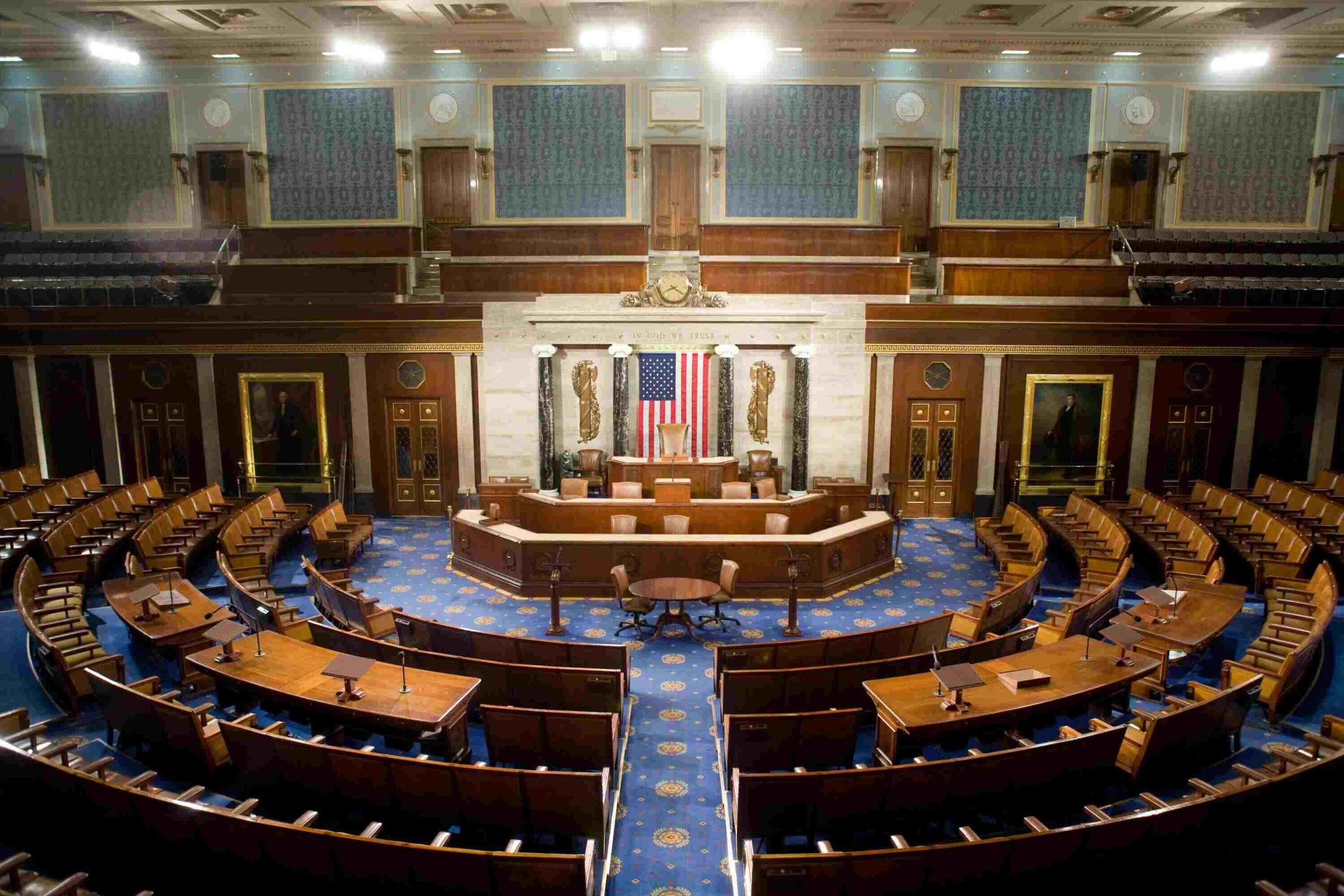
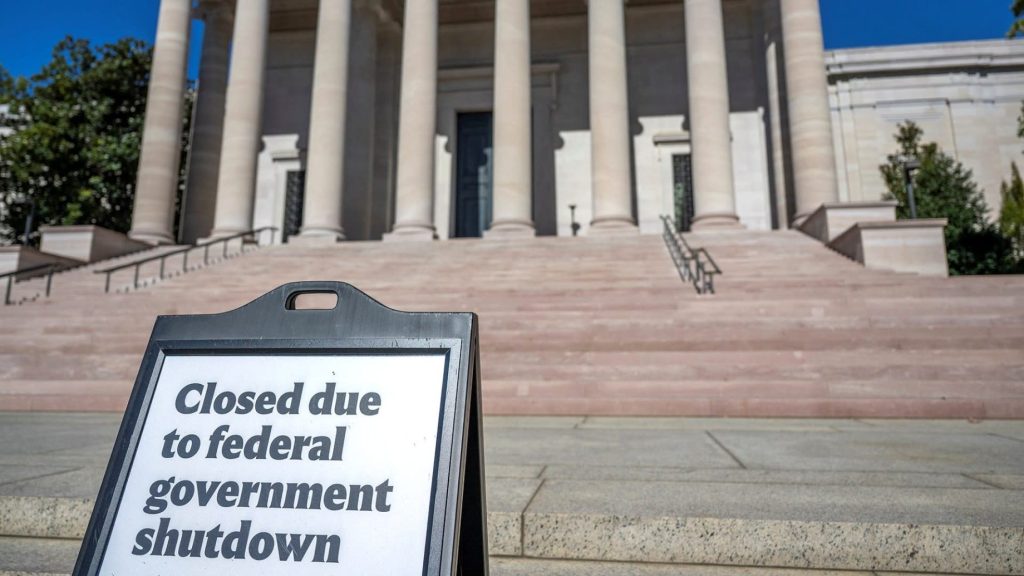
Following the Senate’s approval of a spending bill designed to end the longest government shutdown in U.S. history, attention now turns to the House of Representatives. While the Senate showed bipartisan willingness to pass the funding measure, the situation in the House is far more precarious.
Republicans hold a slim majority but face internal divisions, and Democrats remain split on the best approach to the ongoing budgetary impasse. The outcome of the House vote will determine whether the U.S. government can finally resume normal operations and end the disruption affecting millions of Americans.
Healthcare Subsidy Dispute
Democrats insist on extending tax credits that help roughly 24 million Americans afford health insurance. Yet Senate Republicans rejected incorporating this renewal in the bill, agreeing only to a December vote on the subsidies.
House Speaker Mike Johnson has not committed to holding a similar vote, heightening fears that refusal to renew the subsidies could lead to significant premium increases. Georgia Republican Marjorie Taylor Greene, diverging from President Donald Trump’s stance, has stressed the importance of preventing these hikes. Republicans advocate income caps and reallocating funds directly to individuals, though exact plans remain unclear.
Divisions Among Democrats
Recent electoral successes have invigorated Democrats, but the party continues to grapple with internal rifts. Progressives criticised Democrats who sided with Republicans in passing the Senate bill, with Vermont Senator Bernie Sanders calling it a “horrific mistake” and California Governor Gavin Newsom terming it “surrender.”
Greg Casar, chair of the House Progressive Caucus, labelled any deal that fails to lower healthcare costs as a betrayal. Centrist Democrats such as Jared Golden and Henry Cuellar are more poised to support the bill, emphasising the need to restore government functions.
Slim Republican Majority
The Republican majority in the House stands at 219 to 213, leaving little margin for dissent. While most Republicans back the funding package, fiscal hawks like Thomas Massie oppose it due to concerns over increasing national debt, which is nearing $38 trillion. Kentucky Senator Rand Paul was the lone GOP senator to oppose the Senate bill. The conservative House Freedom Caucus demands a longer-term budget with more aggressive spending cuts.
Travel Disruptions May Hinder Return
Speaker Mike Johnson kept the House in recess for over seven weeks to force Senate Democrats into agreement. Although the House is scheduled to reconvene midweek, flight delays caused by unpaid air traffic controllers and severe weather in the Midwest threaten to slow the return of lawmakers, possibly delaying the vote.
As the deadline looms, the House faces a critical test to overcome political divisions within and between parties. The final vote will decide whether the U.S. government can exit its extended shutdown or remain mired in fiscal uncertainty.
Given the narrow Republican majority and tensions over healthcare and spending, the coming days are crucial for reaching a compromise that ensures government funding and averts further disruption for millions of Americans.