


The war in Iran is not just disrupting oil flows. It is strangling global fertiliser supplies at the worst possible moment. Farmers across the Northern Hemisphere ready their fields for spring planting, while those in the Southern Hemisphere hurry to secure winter crops.
Yet prices for vital nutrients like urea have soared, raising alarms over food security as the Strait of Hormuz—through which a third of seaborne fertiliser trade passes—lies paralysed.
Since U.S. and Israeli strikes hit Iran on 28 February, the vital waterway has seen vessels attacked and traffic halted. UNCTAD figures underline the stakes. Some 15-20 million tonnes of fertilisers navigate these waters yearly.
Middle Eastern giants such as Iran, Saudi Arabia, Qatar and the UAE produce much of the world’s urea and ammonia. Chris Lawson, CRU Group’s vice president of market intelligence, warns of the fallout.
“With the Strait of Hormuz essentially cut off, there’s a big chunk of global trade that isn’t able to move right now. We estimate around 30% of exportable suppliers are not really available to the market right now, that is Saudi Arabia, Qatar and Bahrain, but that also includes Iran,” he said. “There’s a lot of traded supply that is at risk—30% of global urea trade comes out of Iran and the Hormuz-constrained countries.”
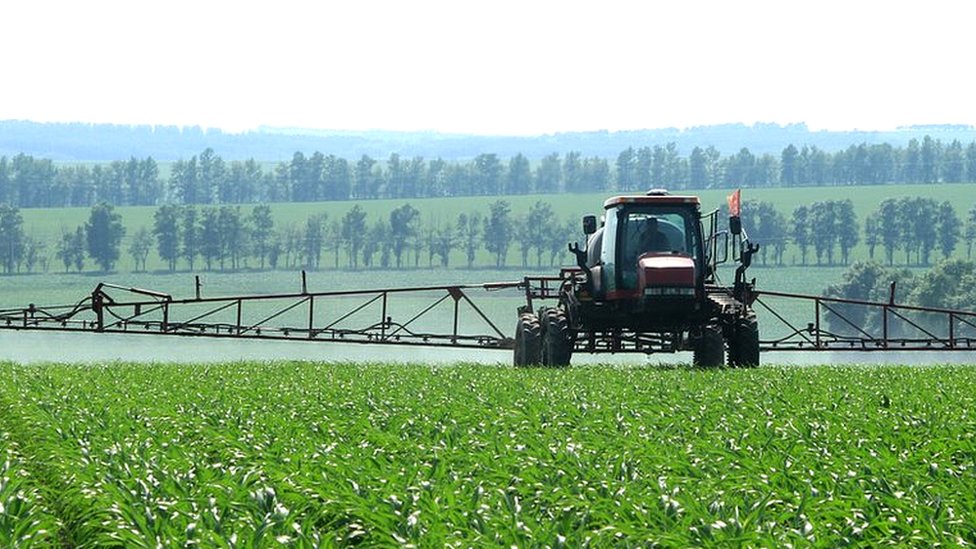
Egypt’s granular urea benchmark has jumped to $700 per tonne from $400-490 pre-war levels. QatarEnergy has shuttered urea plants amid LNG cuts. Experts like Ninety One’s Dawl Heyl highlight nitrogen’s unique urgency. “You can skip a season of potash, you can skip a season of phosphates, but you can’t skip a season of nitrogen,” Heyl told CNBC. He fears worse impacts than Russia’s 2022 invasion of Ukraine, which already hammered supplies.
Argus Media’s Sarah Marlow agrees the multi-country disruption outstrips prior shocks. “Almost 50% of all globally traded sulfur comes from that region,” she noted, predicting further spikes.
Vulnerable nations like India and East Africa face the sharpest pain, with U.S. farmers also hit by import reliance. Fifty-four American farm groups urged President Trump for relief, warning that “maritime freight disruptions from the ongoing conflict in Iran pose significant consequences to food security here at home and around the world.”
As reroutes inflate costs, the crisis bids fair to linger.