

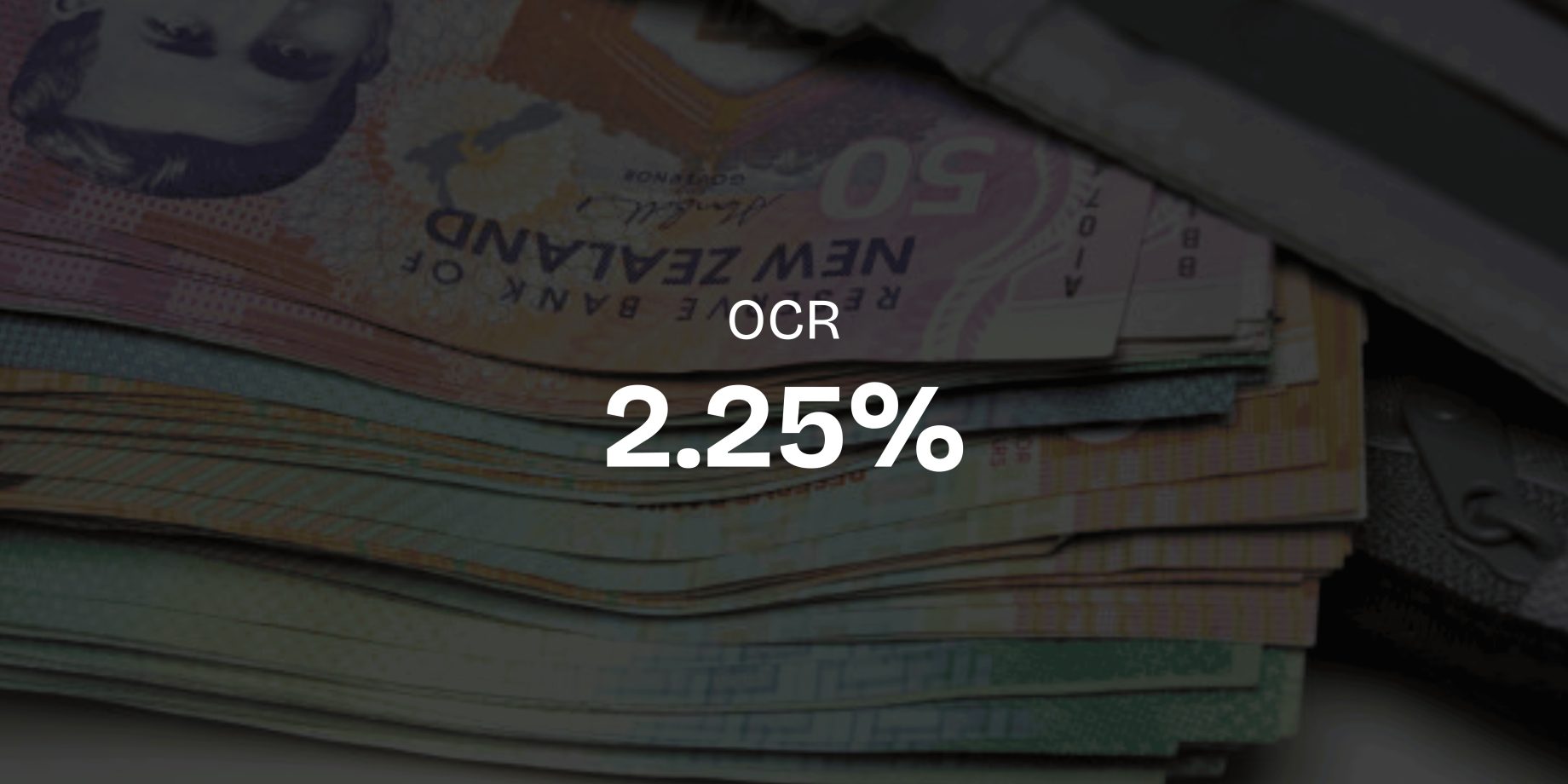
Reserve Bank Governor Anna Breman says further interest rate hikes are “highly likely” after using her deciding vote to break a deadlocked three-three split and keep the official cash rate unchanged at 2.25%.
The Reserve Bank’s Monetary Policy Committee voted to leave the Official Cash Rate unchanged at its meeting on Wednesday. The Official Cash Rate has remained at 2.25% since November last year, after a series of cuts lowered it from a peak of 5.5% in May 2023.
The committee was evenly divided, voting 3–3 on whether to keep rates on hold or raise them, with Anna Breman using her casting vote to leave the OCR unchanged. All six members agreed interest rate hikes were likely this year, with the disagreement centred on timing.
The split decision marked the first publicly disclosed dissent under new transparency rules introduced by Anna Breman, which require disagreements within the committee to be made public.
“No — on the contrary, I think it was a very good time, especially when you have a split vote, to give the different members a chance to give their view on inflation and the outlook for the New Zealand economy,” Breman said when asked whether she had any regrets about making the process more transparent.
Breman said tighter financial conditions, including significant increases in wholesale and mortgage rates, were already slowing the outlook for economic growth and inflation.
Annual inflation reached 3.1% in the March 2026 quarter, remaining above the Reserve Bank’s target range of 1 to 3% for a second straight quarter.
The bank forecast inflation would peak at 4.3% in the September 2026 quarter, driven by higher oil and petrochemical prices linked to supply disruptions in the Strait of Hormuz caused by the Middle East conflict.
Breman said the conflict was impacting New Zealand beyond fuel prices, pushing up costs for fertiliser, plastics, and transportation as well.
“It’s big disruptions to supply chains — it’s really oil-related products; it’s fuel for New Zealanders, a higher cost at the petrol pump, but it’s also fertilisers and plastics, and with these input costs going up, it means that transport costs are also likely to go up,” she explained.
The bank forecasts inflation will return to its 2% midpoint by mid-2027, with core inflation now down to 2.3% and long-term expectations still firmly anchored near 2%.
Breman said she was aware of the economic strain being felt across the country, adding that the committee was focused on preventing unnecessary and extreme changes.
“What we do is important, because it affects all New Zealanders, households, and businesses.”