

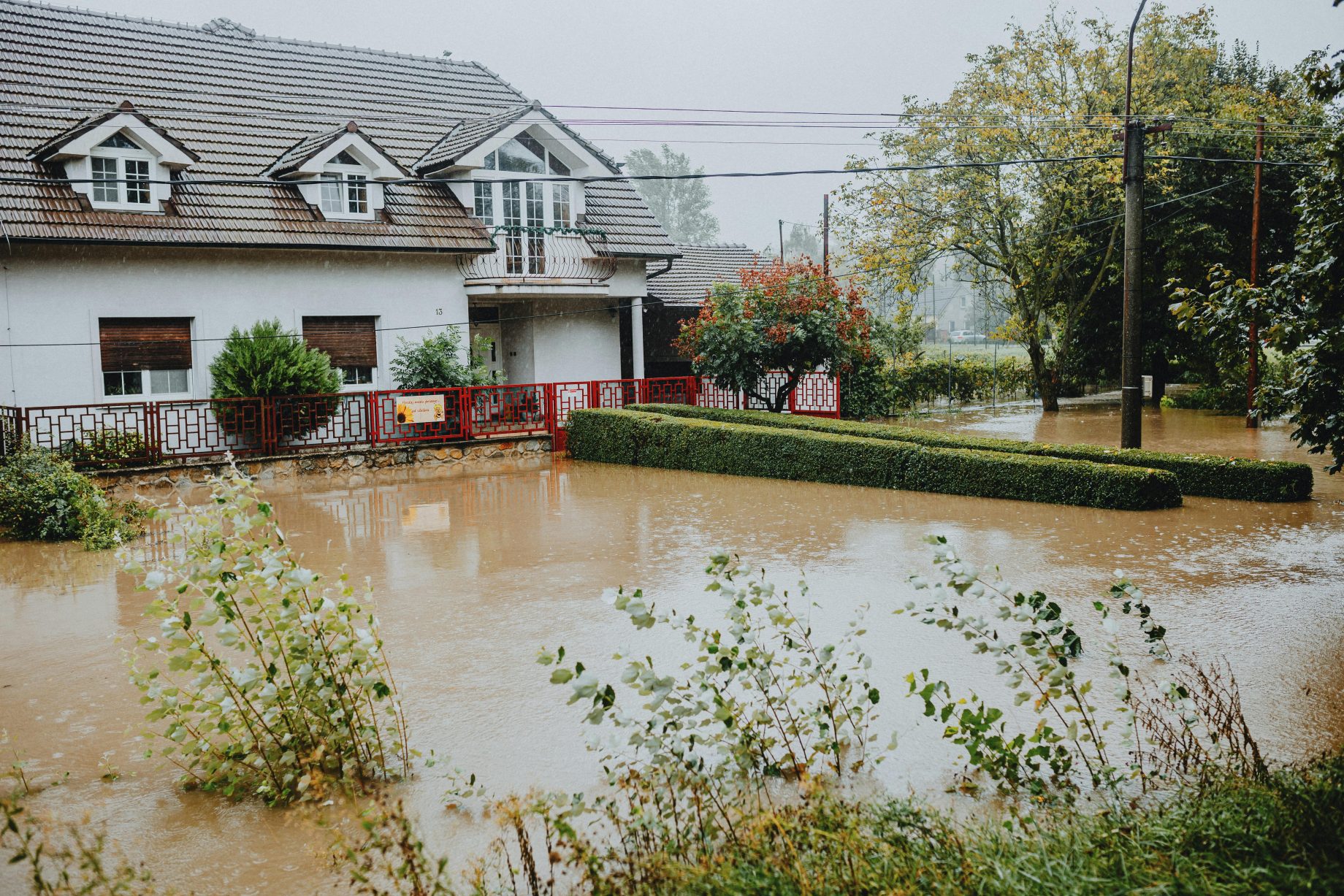
House buyers are being warned that memories of past floods are short and that growing storm frequency could finally force a reality check on how risk is priced into the housing market.
Cotality’s head of research, Nick Goodall, says early evidence suggests flood-hit areas can see a temporary hit to prices, but the market tends to forget quickly.
He said earlier research focused on Dunedin found that property prices in flood-affected areas, and those nearby, were discounted by about 15%, but that effect had disappeared after roughly 18 months.
“Our colleagues in Australia did a similar analysis with similar results.”
He said Cotality wanted to revisit the issue to see whether attitudes had shifted, particularly if storms were now seen as more frequent events.
“The question always is will people’s attitudes change over time? And the more frequently they’re happening, then the more it will change people’s behaviour.”
“I think it’s probably about having the right information available for people to make those educated decisions … yes, there’s some flood models out there, but there’s inconsistency, it’s not always freely available to public.”
Goodall said banks often had access to more information than buyers.
“The more that information gets into the public’s hands, the more likely that people are going to base their decision on that, saying I’m not going to buy it or I’m not going to buy it at a certain price.”
Auckland mortgage adviser Bruce Patten said he had also observed the impact tending to be short-lived.
“It’s amazing how short some people’s memories are …. In saying that with insurance premiums going through the roof in some areas, a lot of people get put off if they ask for an insurance quote.”
Behind the immediate market reaction sits a deeper policy question: who pays for rising climate and infrastructure risk.
In a recent case handled by the Insurance and Financial Services Ombudsman (IFSO) scheme, a family complained after their home was severely damaged in flooding and required a rebuild.
The insurer agreed to cover the rebuild, but there was disagreement over whether the floor level needed to be raised.
The insurer said the floor only needed to be raised to the minimum required to obtain building consent and that there was no clear evidence from the council requiring a higher level.
The family wanted the floor raised further to reduce the risk of future flooding. They argued that if it wasn’t lifted sufficiently, the council could place a notice on the property title stating the land was subject to natural hazard risk, potentially affecting future insurance cover or their ability to secure a mortgage.
The Insurance and Financial Ombudsman Scheme reviewed the terms of the home insurance policy, along with whether a higher floor level was necessary to obtain building consent, as well as expert reports and council information submitted by both sides.
The policy required the insurer to cover only reasonable rebuild costs needed to meet legal or council requirements.
As there was no definitive council requirement mandating the higher floor level, the IFSO scheme concluded the insurer was not obliged to pay for the additional cost.