

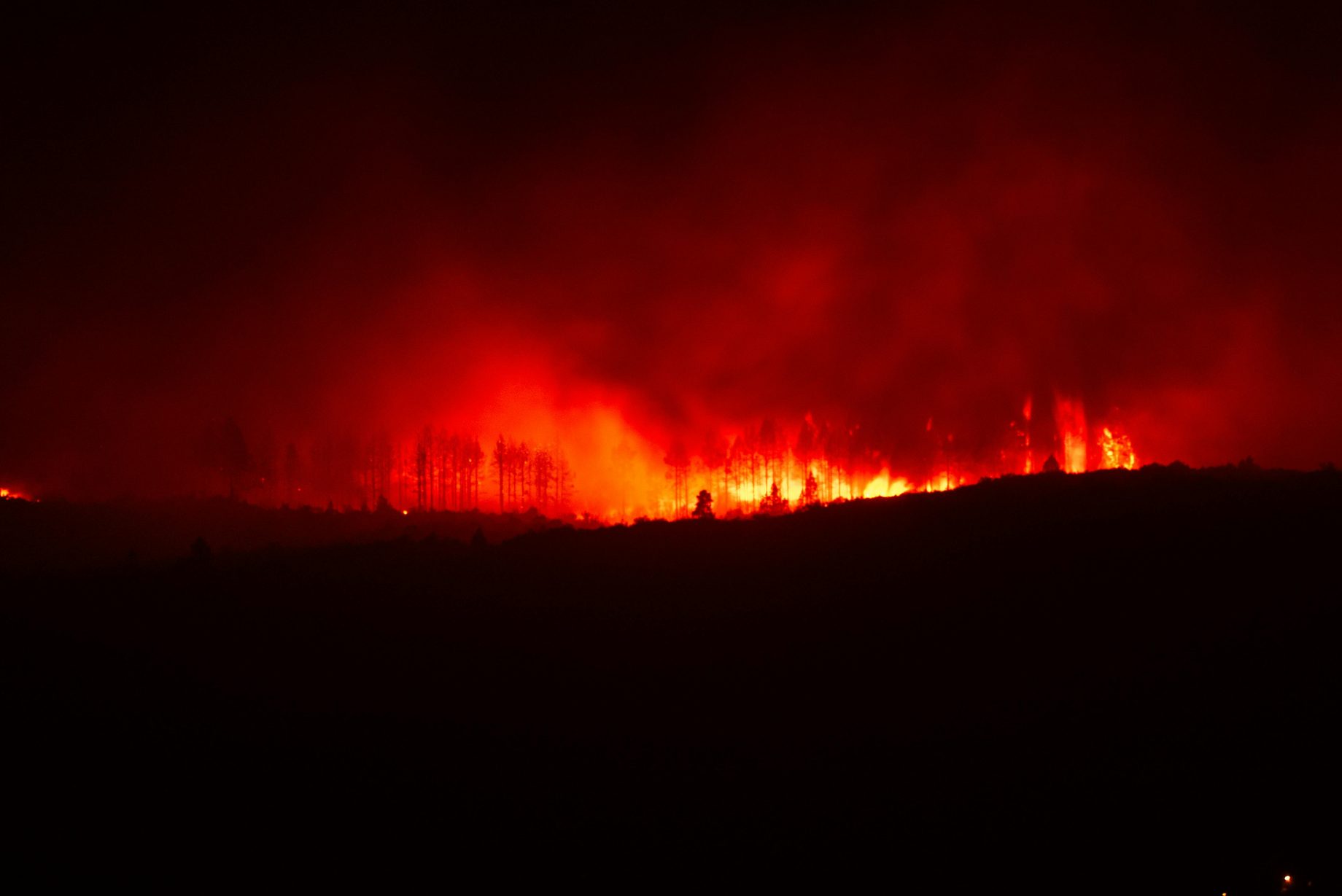
Cutting-edge technology is strengthening Northland’s fire resilience, with 250 solar-powered sensors capable of identifying fire threats before they can be seen, helping protect valuable forest assets and reduce costly emergency responses.
The sensors have been deployed across the Waitangi Endowment Forest.
Using detailed data on vegetation and soil types, the system provides early alerts to forest managers by identifying chemical signatures linked to smoke, allowing action to be taken before fires ignite.
Sohan Domingo of Dryad Networks, which developed the technology, said the gas sensors paired with AI can pick up smoke signatures by detecting volatile organic compounds and volatile sulphurous compounds, allowing fires to be identified much earlier in the process.
Fire and Emergency NZ wildfire scientist Grant Pearce said that detecting blazes quickly is critical to limiting damage and avoiding the escalating costs associated with wildfire suppression.
“As fires escalate in size, the costs can increase very rapidly due to those increasing numbers of aircraft and other resources and manpower that are deployed.”
Similar technology using thermal imaging and air quality sensors was deployed near Christchurch’s Port Hills last year, enabling the 2024 Adventure Park fire to be detected early enough for firefighters to respond immediately and limit potential escalation.
For the Waitangi community, the technology extends beyond tree protection, improving early fire detection to better protect lives, property, and the surrounding environment.
Tiffany Holland from the mountain bike park said the forest reflects years of community effort and investment, with the sensor network now playing a key role in protecting it.
Philippe Boulanger of Adroit Environmental Intelligence said the rollout marks an important advancement in New Zealand’s ability to detect and respond to wildfire threats.