

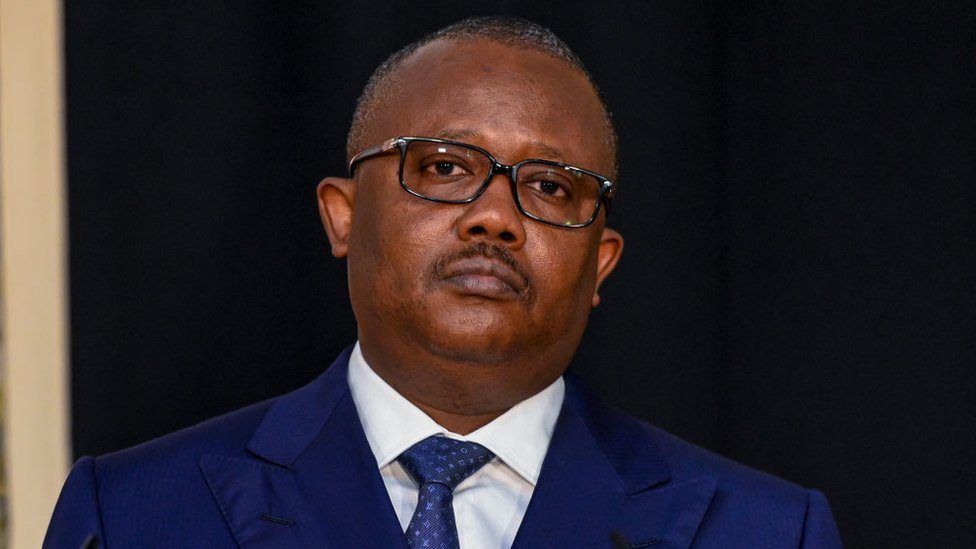
In Guinea-Bissau, military officers have seized control of the government, detaining President Umaro Sissoco Embaló shortly after the country’s elections. Following gunfire near the presidential palace in Bissau, Embaló confirmed by phone, “I have been deposed.”
The military appeared on state television, suspending the electoral process, closing borders, and imposing a night-time curfew, alleging a plot by politicians and a notorious drug trafficker to destabilise the country.
Calling themselves the “High Military Command for the Restoration of Order,” the officers asserted full control and urged calm. Key political figures, including opposition leader Fernando Dias and former Prime Minister Domingos Simões Pereira, were detained alongside Embaló. Senior military officers, including the army chief General Biague Na Ntan, were also held.
Security checkpoints appeared across Bissau, and many residents fled the unrest.
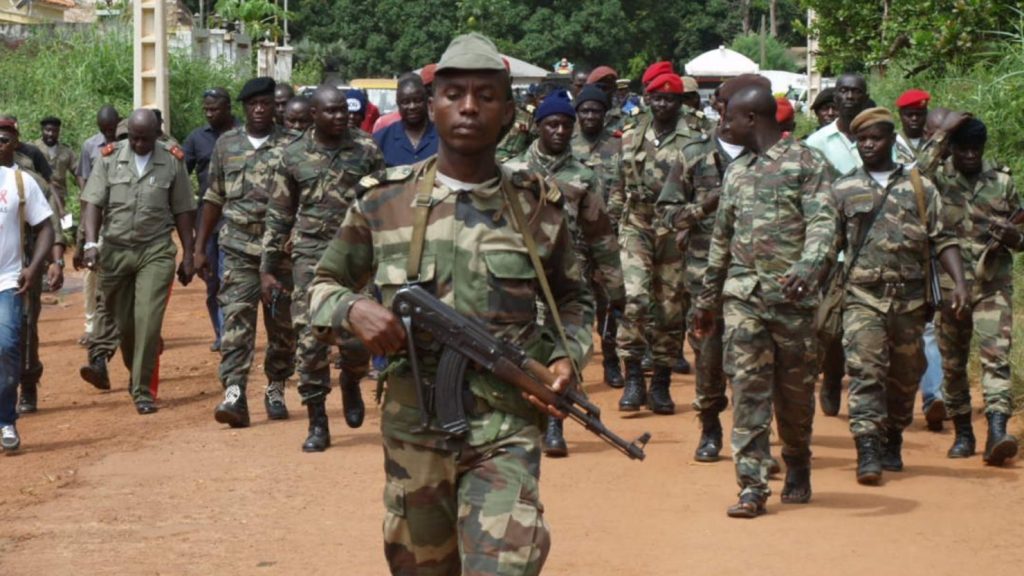
Guinea-Bissau, a poor West African nation with a population of about two million, has a notorious history of coups since independence from Portugal in 1974. Its coastal geography makes it a major transit point for Latin American cocaine trafficked to Europe, earning the label “narco-state” by the UN. The military accused politicians of colluding with traffickers to manipulate election results.
The disputed election saw both Embaló and his main rival claim victory ahead of official results due on Thursday. Embaló sought a rare consecutive second term but faced opposition claims his presidency ended earlier. Critics say he may have exaggerated crises to suppress dissent.
The international community, including Portugal, has urged respect for constitutional order and condemned violence. This coup intensifies Guinea-Bissau’s ongoing struggles with political instability and drug trafficking, threatening its democratic processes and security.