

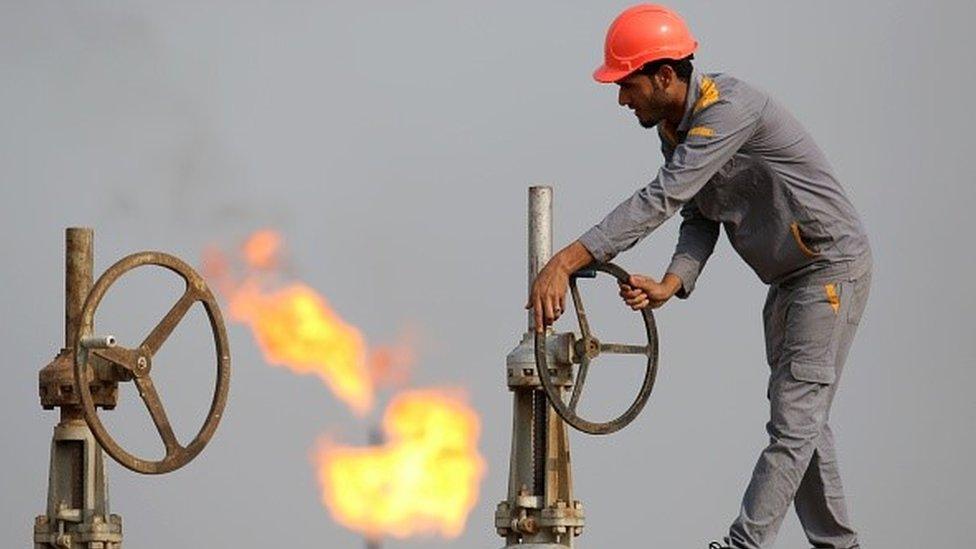
Global oil markets are under mounting pressure as the closure of the Strait of Hormuz forces traders, refiners, and governments to rely more heavily on stored crude and fuel supplies.
The International Energy Agency has warned that global oil buffers are being depleted quickly as the disruption in the Middle East continues to affect one of the world’s most important energy routes.
The strait is a crucial passage for crude and fuel shipments from major producers in the Gulf, and any prolonged blockage can rapidly unsettle prices because so much of the world’s seaborne oil trade depends on the narrow waterway.
“Rapidly shrinking buffers amid continued disruptions, may herald future price spikes ahead,” the IEA said.
The market has not yet absorbed the full impact of the supply disruption because available stocks have helped soften the blow. Commercial inventories held by the industry, strategic reserves controlled by governments, and tankers already at sea have all helped keep barrels moving despite the loss of regular supply. Exxon Mobil chief executive Darren Woods said those stocks helped limit the effect of the disruption in March and April.
However, that cushion is starting to look less secure. Analysts say commercial inventories can only provide temporary relief before they fall to levels needed simply to keep the supply system operating. Pipelines, tanks, refineries, and terminals all require a minimum amount of oil to function efficiently, meaning not every barrel counted in storage can be freely used.
“We anticipate as that happens and the strait remains closed, that we will continue to see increased prices in the marketplace,” Woods said.
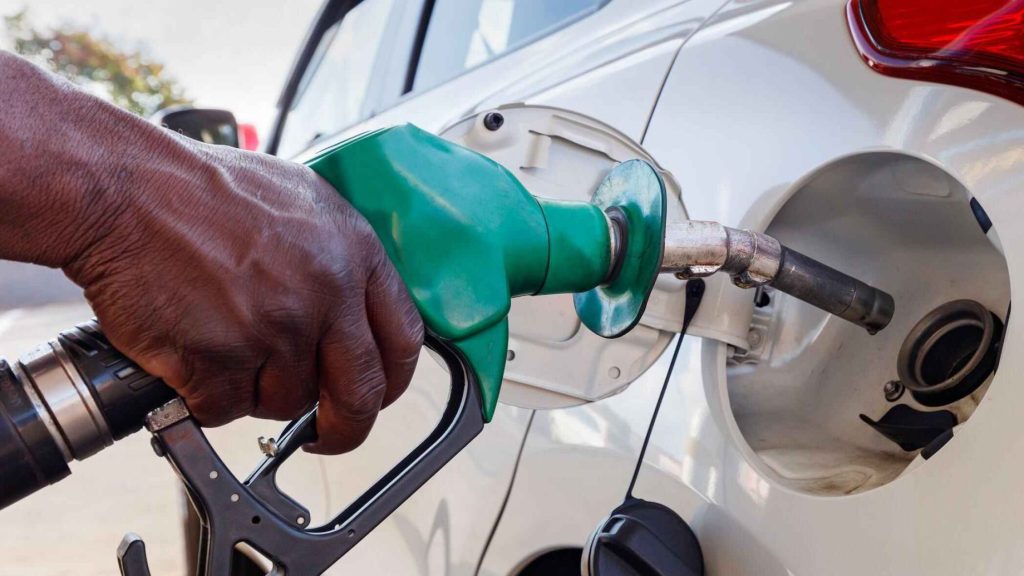
UBS estimated that global oil stocks were slightly above 8 billion barrels at the end of February, close to a decade high, before falling to about 7.8 billion barrels by the end of April. If demand holds steady, the bank expects inventories to approach 7.6 billion barrels by the end of May, a level JPMorgan analysts said could place the supply chain under serious strain.
“Like blood pressure in the human body, the issue is circulation,” said Natasha Kaneva, JPMorgan’s head of global commodities strategy. “The system does not fail because oil disappears, it fails because the circulation network no longer has enough working volume.”
JPMorgan has warned that inventories could fall to 6.8 billion barrels by September if Hormuz remains shut, while Rapidan Energy said refined fuel stocks could hit critical levels earlier.
The global economy would “seize up, with critical transportation infrastructure unable to source fuel at any price,” Rapidan analysts said in a 7 May note.
Analysts say prices would probably surge before inventories reach that point, forcing demand lower and risking a severe economic slowdown.
“That’s likely to happen before 3Q26,” the Rapidan analysts said.