


A wave of legal actions has erupted after the U.S. Supreme Court invalidated President Donald Trump’s emergency tariffs on imports from numerous countries.
The court ruled last week that Trump exceeded his powers under the International Emergency Economic Powers Act (IEEPA) when he introduced the levies last April. Businesses can now pursue refunds for the billions paid in extra duties.
FedEx, the global logistics giant, has spearheaded the effort with a lawsuit demanding a “full refund” from U.S. Customs and Border Protection (CBP), its commissioner Rodney Scott, and the U.S. government. The filing at the U.S. Court of International Trade states that “Plaintiffs seek for themselves a full refund from Defendants of all IEEPA duties Plaintiffs have paid to the United States.”
FedEx confirmed on Monday evening that it “has taken necessary action to protect the company’s rights as an importer of record to seek duty refunds” following the verdict. The firm did not specify the refund amount sought. The BBC has requested comment from CBP.
These tariffs reportedly generated more than $130 billion in revenue, according to Bloomberg estimates, hitting goods from electronics to metals.
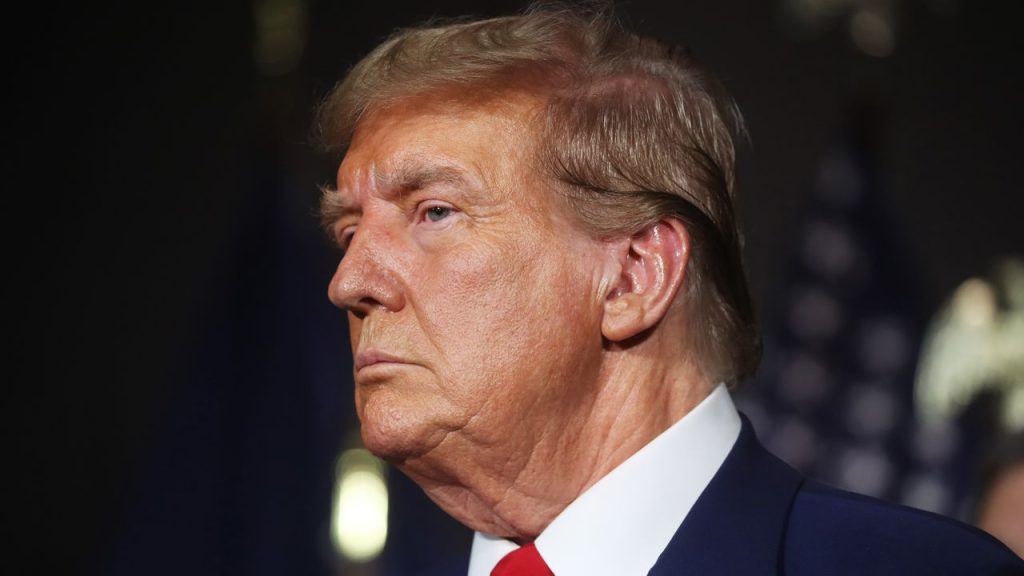
The Supreme Court decision deemed the IEEPA tariffs unlawful but offered no roadmap for repayments. Trump and Treasury Secretary Scott Bessent warned that refund cases could drag on for years.
Over 300 companies filed pre-emptive suits before Friday’s ruling, including Revlon, Alcoa, Bumble Bee Foods, and Costco. Costco argued in its claim that “the text of IEEPA does not use the word ‘tariff’ or any term of equivalent meaning.”
On Monday, 22 Democratic senators proposed legislation requiring full refunds with interest within 180 days. The bill would task CBP with prioritising small businesses, as reported by The Wall Street Journal.
Trump responded swiftly on Friday by enacting a new 10 per cent temporary tariff on all countries’ goods under Section 122 of the 1974 Trade Act. He announced plans to raise it to 15 per cent the next day.
“This isn’t just about money. It’s a check on executive overreach in trade policy,” said a trade expert quoted by Reuters.