

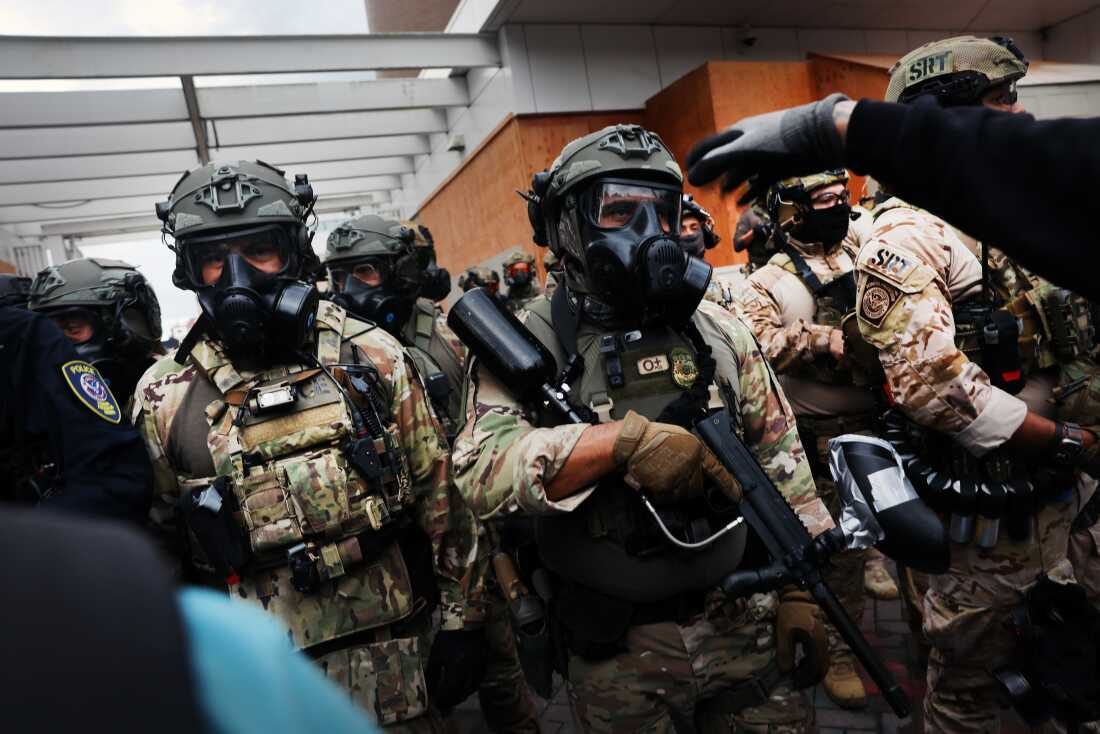
A federal judge in Oregon has temporarily blocked the Trump administration’s attempt to send about 200 California National Guard troops to Portland, marking another legal defeat for the President’s efforts to deploy military forces in cities run by Democrats.
U.S. District Judge Karin Immergut, a Trump appointee, ruled the deployment violated federal law and the constitutional rights of the states, pointing out that the administration lacked evidence justifying such a move.
Governor Gavin Newsom of California condemned the deployment as “an astonishing misuse of legal authority and power,” accusing the president of weaponising the military against citizens. Despite court orders halting the deployment of Oregon’s own National Guard troops to Portland, Trump sought to send personnel from California instead, escalating tensions.
The Pentagon defended the deployment, stating the troops would assist federal law enforcement and protect federal property amid protests at immigration facilities. However, local authorities said the unrest did not warrant military intervention, describing the demonstrations as largely peaceful.
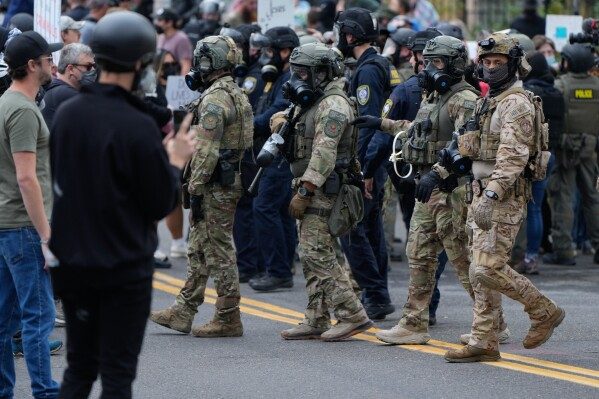
This dispute displays the ongoing conflict over presidential authority versus state sovereignty concerning the National Guard, which traditionally answers to state governors unless federally activated under specific conditions. Critics argue Trump is overstepping legal limits by deploying troops based on political motivations rather than genuine security needs.
The Trump administration has appealed the injunction, citing historical Supreme Court rulings supporting presidential power to mobilise National Guard units. Meanwhile, states including California and Oregon vow to continue legal challenges, emphasising the importance of constitutional limits on military involvement in civilian affairs.
This legal battle shows deeper national divisions over the use of military forces in domestic law enforcement and raises pressing questions about the balance of power between federal and state governments.