

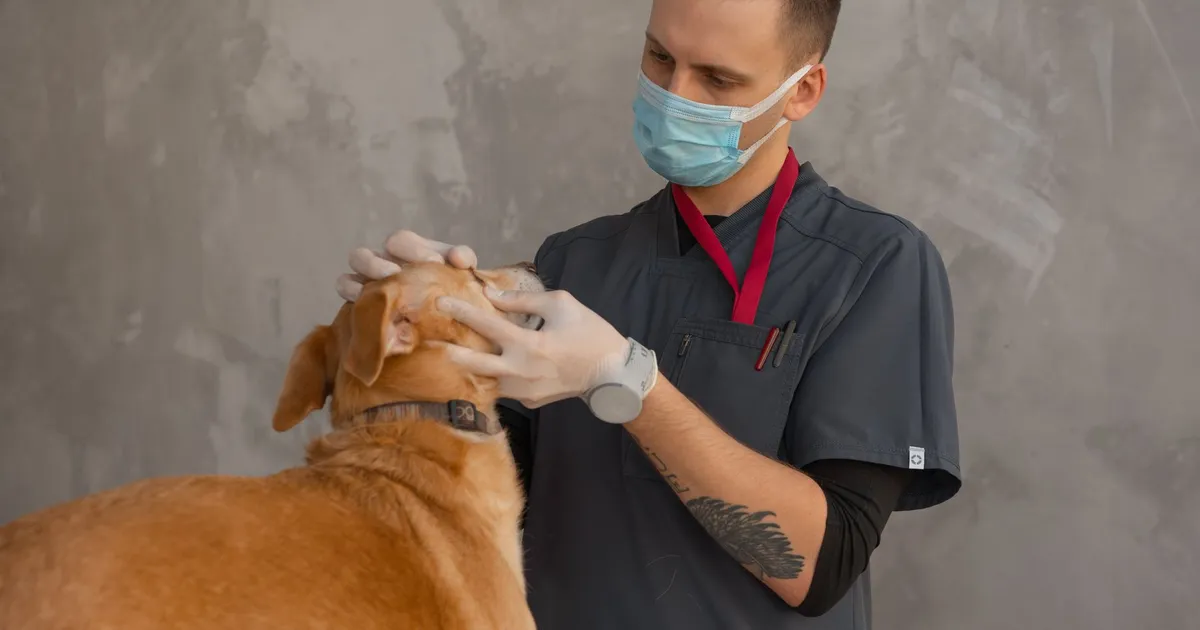
Elizabeth Iorns’ French bulldog Lily was six when a seizure led to a brain cancer diagnosis and a prognosis of about 30 days. Iorns, who grew up on a sheep farm near Napier and holds a PhD in cancer biology, tracked down an immunotherapy that had been tested on dogs in academic settings but was not commercially available. Lily lived another 16 months. That experience has now become Familiar Therapeutics, a Silicon Valley biotech co-founded by Iorns and fellow Kiwi Dan Knox, which launched this week with a US$5 million (about NZ$8.4 million) seed round backed in part by Auckland’s Icehouse Ventures.
The emotional hook will carry most of the coverage. The more interesting part is the business model, which looks far more durable than the typical pet-wellness startup.
Pharma’s losers are the inventory
The gap Familiar is targeting is stark. The FDA approves fewer than 10 new drugs for companion animals each year, against more than 50 for humans, and New Zealand has just one veterinary oncologist compared with around 400 in the US. The pet market is too small for big pharma to bother carrying promising compounds through veterinary approval, even when much of the safety and efficacy work has already been done in human trials.
Familiar’s answer is to license the veterinary rights to drugs that lost the race to become the leading human treatment in their category and were shelved as a result. It then adapts them for dogs and cats. Because the compounds arrive with years of human research behind them, the company claims it can cut the usual seven-to-ten-year veterinary development timeline by up to five times.
This is not charity. It is arbitrage on sunk cost. Somebody has already paid for the hard science, and Familiar is buying the option to monetise it in a market the original developer ignored.
Why big pharma signs up
The clever bit is that the deal works for the drug owner too. According to Knox, the company’s chief operating officer, partners keep their human rights and share in veterinary sales, so they earn a return on research already written off. Better still, dogs and cats develop cancers and arthritis naturally and share far more biology with humans than lab mice do. Evidence generated in pets can help de-risk the same molecule’s human programme. Knox credits that two-sided pitch with how quickly the company has signed partners.
That structure is what separates a fundable thesis from a sentimental one. A pet drug company that relies on goodwill licensing would struggle to scale. One that hands pharma partners both cash flow and translational data has a reason to exist in every major therapeutic category.
The demand was never the question
Pet owners’ willingness to pay has been obvious for years. Back in 2016, the US pet industry was already worth more than US$58 billion a year and growing at roughly 6% annually. Closer to home, BiotechNZ’s then-executive director Zahra Champion noted in 2019 that New Zealand had more than 4.6 million companion animals, with 64% of households owning a pet.
Kiwi founders have been working this seam for a while, mostly at smaller scale. In 2024, Auckland’s Woofgenix launched a DNA test for biological ageing in dogs, Christchurch brothers Gus and Jack Silvester turned their dog’s decline into the Dog Years supplement brand that later reached Taiwan, and DNAiTECH raised $1 million in pre-seed funding for portable diagnostics covering animal and human disease. Movac has also backed Cadmus Animal Health, which is developing an immunotherapy for periodontal disease in dogs.
Kiwi talent, Silicon Valley address
The wider point for New Zealand business is where this company chose to live. The local healthtech sector is a genuine export success. The 2023 NZ Healthtech Report, published in 2024, found the sector’s 233 firms generated $2.62 billion in revenue, 89% of it offshore. RNZ reported at the time that healthtech exports had more than doubled in a decade, making it the country’s second-largest tech export after fintech.
Capital is another story. Total healthtech investment in 2023 was just $66.8 million across 30 deals, below the 2021 peak of $92 million. A 2024 government briefing counted more than 260 MedTech firms but only around $125 million invested in them. A single US$5 million seed round is a meaningful number against that backdrop.
Iorns and Knox already built Science Exchange, an R&D marketplace used by major pharma companies, which gave them a front-row view of exactly which assets get shelved and why. That is the advantage local programmes struggle to manufacture: founders who know the global industry from the inside, backed by New Zealand money willing to follow them offshore.
What to watch
The test now is execution. Familiar needs to show a shelved compound can clear veterinary approval on the compressed timeline it promises, and that partner revenue arrives in practice. If it does, the template matters well beyond pets. New Zealand will not out-spend Boston on biotech, but Kiwi founders who spot structural inefficiencies in global industries, and local investors willing to back them wherever they base themselves, is a model worth repeating.
Sources
- eCommerceNews: Heyrex: Remote health monitoring for animals (2016-06-20)
- BiotechNZ: Biotech in NZ on cusp of saving sick pets (2019-10-07)
- NZ Herald: How long do dogs live? With a new DNA test, your pet’s longevity could increase (2024-08-27)
- The Press: ‘Heartbreaking’ to ‘heart-warming’: Brothers take Dog Years off family pet (2024-05-03)
- RNZ: Kiwi-made tech can detect diseases instantly (2024-10-21)
- New Zealand Healthtech Report 2023 (2024-08-15)
- RNZ: NZ’s healthtech exports soar, but lag behind global peers (2024-08-15)
- Ministry of Health: Meeting with Minister Costello and Diana Siew – MedTech Progress Update (2024-09-25)
- Movac: An immunotherapeutic for periodontal disease in companion animals
Join the discussion
Add useful context, ask a good question, or challenge an idea — keep it specific and respectful.