

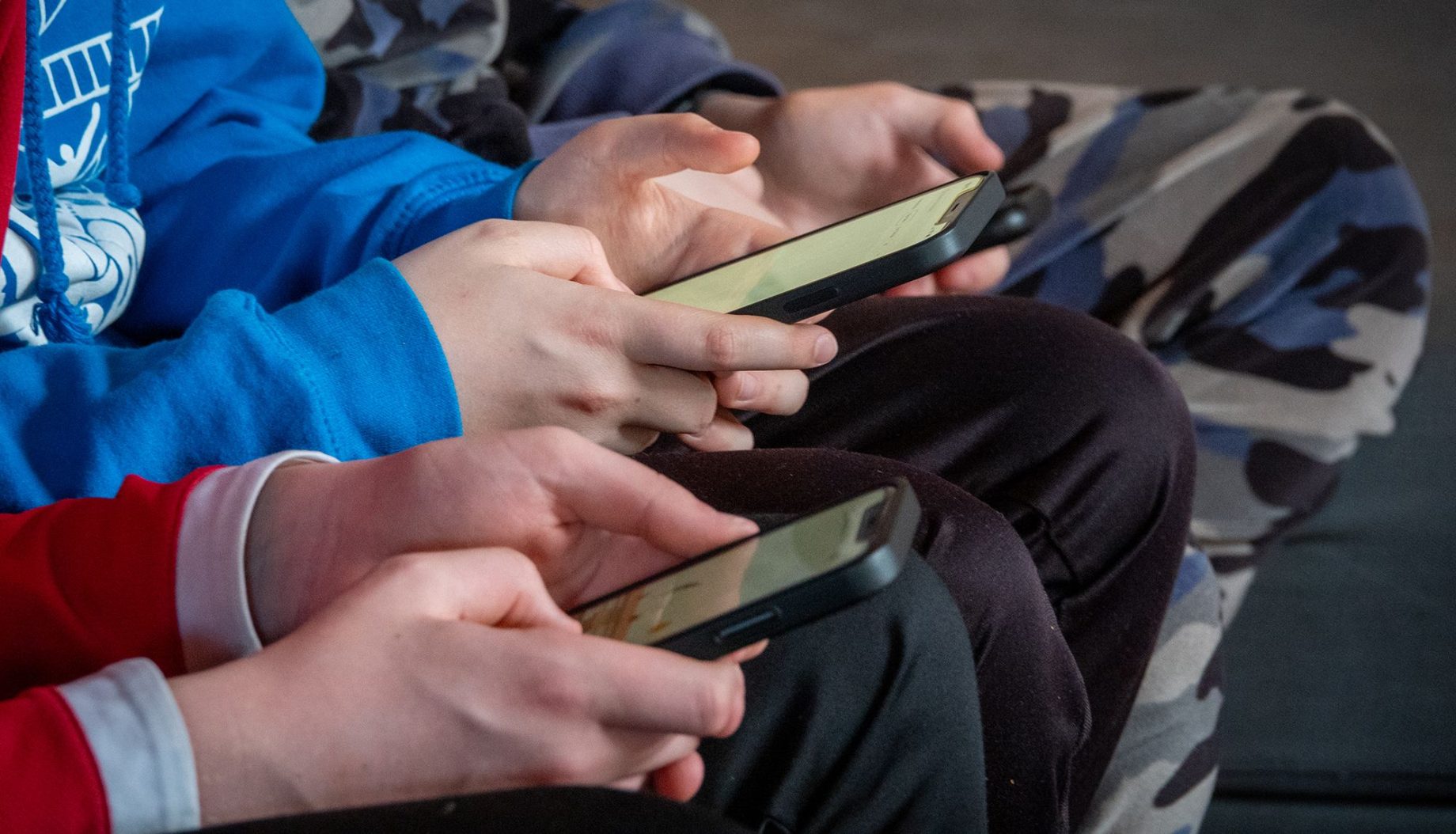
The European Union is cracking down on online dangers to young people with a new centralised age-verification app that lets tech platforms check users’ ages without handling sensitive personal data themselves.
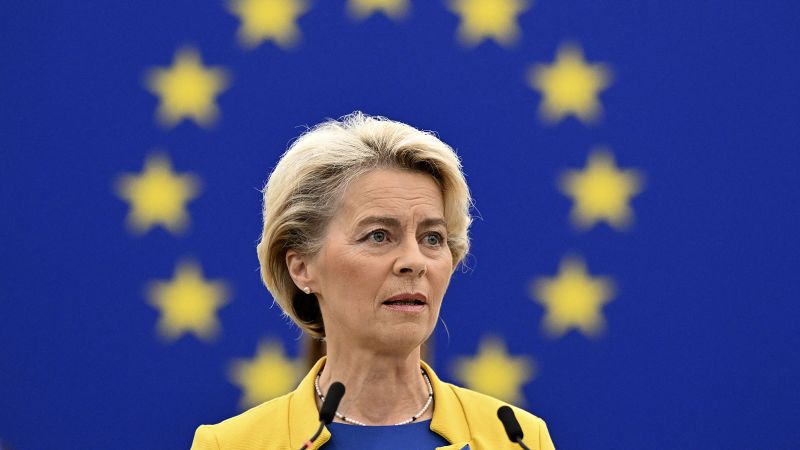
European Commission President Ursula von der Leyen unveiled the free tool last week, positioning it as a digital ID that individuals can use across websites and apps. By uploading a passport or national ID once, users enable services to confirm if they meet age thresholds like 16 or 18, depending on local rules, all while keeping birth dates and other details private.
“Online platforms can easily rely on our age verification app. So there are no more excuses,” von der Leyen and Executive Vice-President Henna Virkkunen said in a statement. “Europe offers a free and easy to use solution that can shield our children from harmful and illegal content.”
Von der Leyen called it a benchmark for global privacy standards in a LinkedIn post. The app dovetails with the bloc’s Digital Services Act, which since 2024 has compelled major platforms to tackle risks to minors.
This comes as alarm grows over social media’s impact on youth wellbeing. Recent U.S. verdicts have stung Big Tech: a California jury last month found Meta and YouTube liable for fuelling a young woman’s addiction through manipulative features, while a New Mexico panel held Meta responsible for enabling child sexual abuse.
Australia blazed a trail with its under-16 social media ban in December 2025, inspiring similar moves in Europe and U.S. states that now demand age checks and parental consent.
Tech firms have baulked at the burdens. Meta’s Mark Zuckerberg wants app stores to centralise verification, but rivals like Google and Apple argue it invades adult users’ privacy too. None responded to queries about the EU app.
Member states can tweak the technically ready tool for their laws, a Commission spokesperson told CNN. Platforms bypassing it must show equal effectiveness under the DSA or face steep fines.
“This app gives parents, teachers, caretakers a powerful tool to protect children,” von der Leyen and Virkkunen added. “We will have zero tolerance for companies that do not respect our children’s rights.”
With pilots succeeding in places like Estonia, Europe aims to set a protective standard for the digital age.