

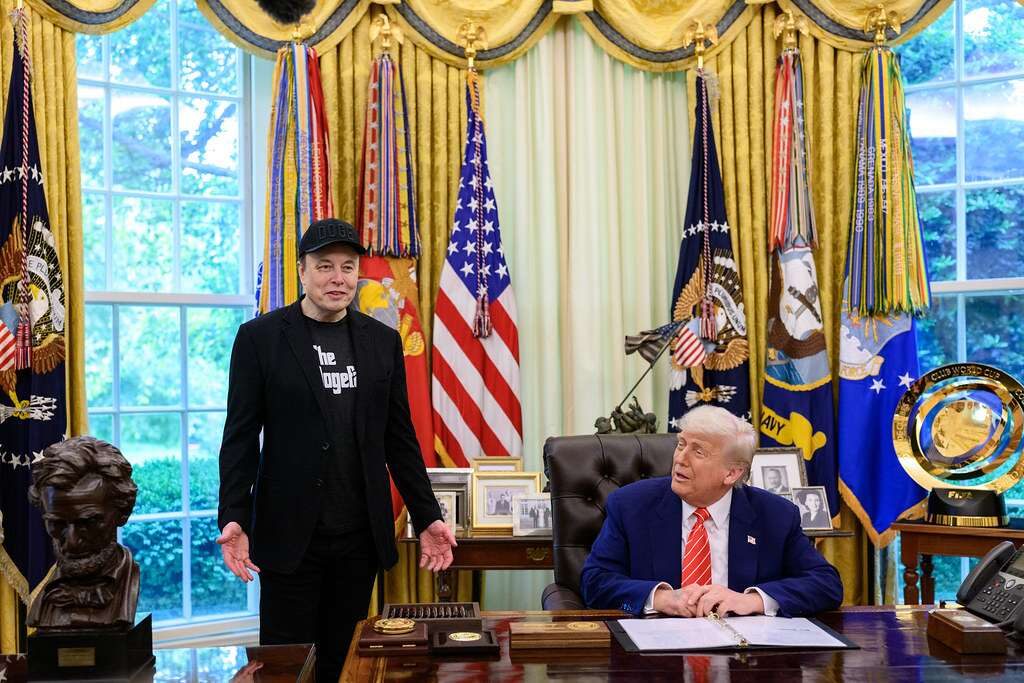
The Trump administration has prematurely dissolved the Department of Government Efficiency (DOGE), a federal cost-cutting body once led by Elon Musk, despite the unit having several months remaining on its mandate.
Created by an executive order in January 2025, DOGE aimed to streamline federal operations, reduce bureaucracy, and save billions by cutting waste and reshaping the workforce.
By November 2025, the U.S. Office of Personnel Management confirmed that DOGE no longer exists as an organised entity, with its principles now integrated into broader federal efforts.
Scott Kupor, director of the office, tweeted that while DOGE “may not have centralised leadership anymore,” its core goals—de-regulation, eliminating fraud and waste, reshaping federal employment, and prioritising efficiency—continue.

DOGE claimed to have saved billions in taxpayer funds but faced heavy criticism for dismantling vital agencies with minimal transparent financial results. A major controversy was its shutdown of the U.S. Agency for International Development (USAID), which was responsible for humanitarian aid. This closure has been linked to devastating global health impacts, including millions of excess deaths projected over the next five years.
Security breaches also tarnished DOGE’s reputation, as the team accessed sensitive personal data of millions of Americans but failed to secure it properly, exposing vulnerabilities to cyber threats. After a public falling out with President Trump, Musk left the project, leaving former DOGE staff vulnerable to potential legal consequences without his protection.
Some former DOGE members moved to other federal roles while others left government entirely, including notable figures such as Edward Coristine, who announced his exit publicly.
The early termination of DOGE marks the end of a polarising attempt to aggressively reduce federal government size and spending, raising significant concerns about its human and security impacts.