

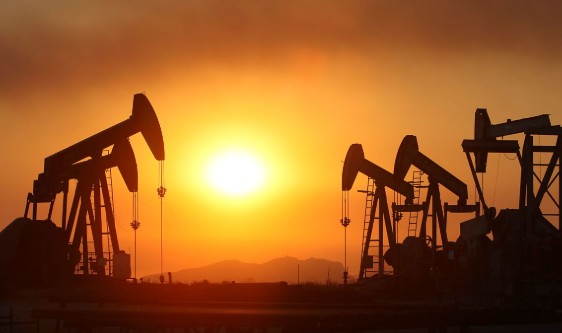
Oil prices initially plunged following the announcement of a two-week fragile ceasefire between the United States and Iran, sparking hopes that shipping through the critical Strait of Hormuz might resume.
But the relief proved short-lived. By Thursday morning, much of that decline had already been reversed as the truce began to show clear signs of strain, reinforcing market scepticism about whether shipping would meaningfully recover.
Brent crude dropped about 16% to roughly US$92 after the announcement. Westpac chief economist Kelly Eckhold noted petrol prices could fall by about 20 cents a litre, bringing 91 down to roughly $3.30—if prices held.
Reuters said oil prices were already climbing again by Thursday, as fighting in Lebanon dragged on—highlighting just how shaky the ceasefire is and casting doubt on whether the Strait is really reopening.
Infometrics chief forecaster Gareth Kiernan pointed to a month-long “air bubble” in supply, while the AA cautioned that insurers and traders would likely require more than a brief and unstable truce before passing on any savings to motorists.
MBIE’s latest stocktake further confirms supply stability, with 62.6 days of petrol, 51.7 days of diesel, and 53.5 days of jet fuel available or on order.

Prime Minister Christopher Luxon said the best-case scenario for lower fuel prices remains “a matter of weeks,” highlighting the ongoing disruption to traffic through the Strait.
Finance Minister Nicola Willis underscored the limits of expecting quick relief from volatile global conditions, saying that even when crude prices fall, the benefits take longer to reach consumers due to complexities in refined fuel markets and damage to regional facilities.