

The Civil Aviation Authority is proposing something New Zealand regulators rarely do. It wants to charge less. The CAA is consulting on a 5% cut to passenger security levies, a move board chairman Mark Darrow calls “unprecedented”.
The domestic levy would fall from $10.91 to $10.36 per passenger, and the international levy from $22.30 to $21.19, all excluding GST. That is 55 cents and $1.11 respectively. Nobody will notice it on a Wellington to Auckland fare. But in a country where user-pays charges tend to move in one direction only, the direction matters.
Where the savings came from
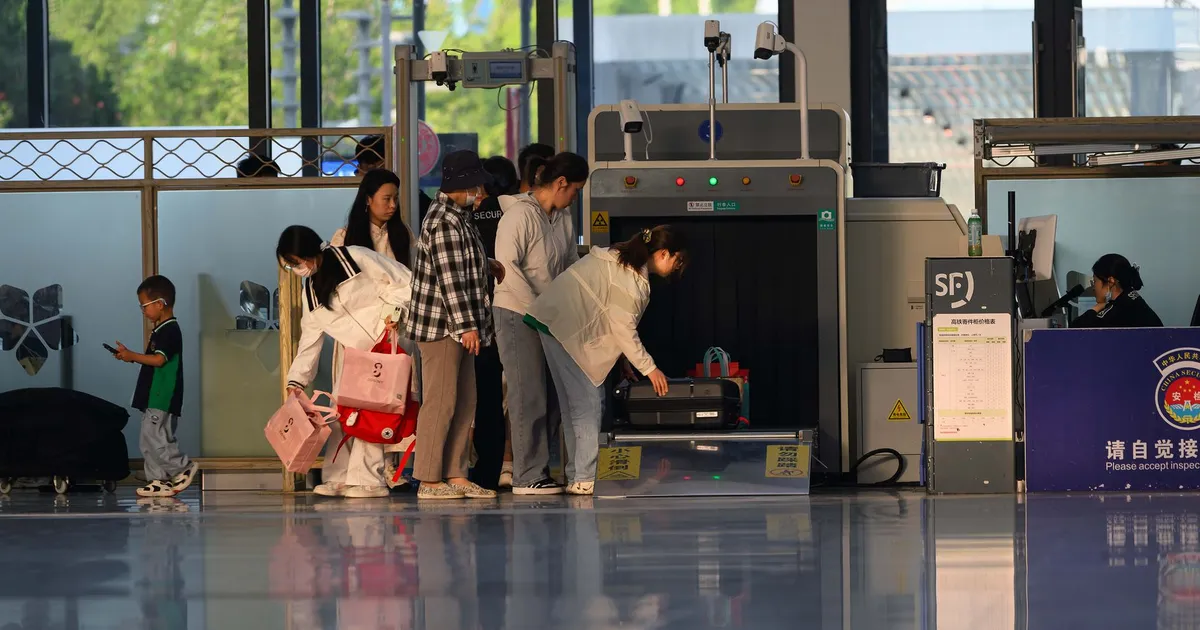
Darrow credits two changes, both operational. New 3D scanning technology has, in his words, “had a profound effect”, letting Aviation Security staff tell legitimate electronics from suspicious items without pulling laptops out of bags. It also opens the door to remote screening. The second change is smarter rostering that has cut overtime costs.
That is exactly the kind of saving business owners want from a monopoly service provider. Not a political handout, not a subsidy from the Crown, but a regulator finding productivity gains and passing them back to the people paying the bills. The CAA says 97% of passengers are screened within 10 minutes of joining the queue, so the cheaper service is not visibly a worse one.
The hike this partly unwinds
Context matters. The cut follows a very large increase. In January 2025 the CAA confirmed increases that took effect on 1 July 2025, lifting the domestic passenger security levy from $6.57 to $10.91 and the international levy from $13.12 to $22.30. The 2025 amendment order set those as rises of 66% and 70%, with passenger safety levies up 145%.
At the time, the CAA’s then-deputy chief executive John Kay told RNZ that whether the increases reached ticket prices was up to airlines. The hike came after pricing was frozen through the pandemic, what Darrow now calls “a big catch-up”. Back in 2024, the Authority warned that without more money, aviation security staff numbers could fall 38%, with predictable consequences for queues.
So a 5% trim does not reverse the 2025 shock. It shaves a sliver off it.
A mechanism that worked as designed
The genuinely encouraging part is that this was planned. Cabinet approved the 2025 rates as maximums rather than fixed levels, leaving room to cut if efficiencies emerged during the pricing period, according to the CAA’s pricing review material. Submitters had pushed for precisely that. The CAA’s summary of submissions from its 2024 consultation recorded stakeholders urging smaller initial increases with adjustments later if the Authority beat its forecasts, and warning of “spiralling costs” pricing New Zealand out of tourism markets.
In 2024, then-transport minister Simeon Brown said any increases had to be fully justified and that every avenue for savings should be explored first. Two years on, the framework has delivered a result. Councils, Crown entities and every other cost-recovery body setting fees for business should take note. Catch-up charges can be temporary if the rules require regulators to look for savings and give them back.
Airlines bank most of it
The money flows to airlines first. Applied to Air New Zealand’s latest full-year volumes, the cut would save the national carrier an estimated $14.43 million a year. Airlines decide whether any of it shows up in fares. There is no obligation.
Tourism operators and regional businesses have the most to gain if it does. In March 2026, Aviation Industry Association chief executive Simon Wallace said CAA and Airways levies make up around 10% of some airfares and called for relief, particularly for regionally dependent services. Thin regional routes are where a dollar here and there actually changes the economics.
The bigger question stays open
A 5% cut does not touch the structural issue. In 2024, NZ Airports argued that New Zealand is unusual in running screening through a government agency, citing Australian per-passenger costs of A$3 to A$9 domestically. It claimed Aviation Security at some airports costs “at least the same amount as, and sometimes more than, running the airport itself.”
That debate over whether a state-run screening monopoly is the right model will return at the next pricing review, due before the current period ends on 30 June 2027. For now, give credit where it is earned. The CAA found real efficiencies, credited them to technology and management rather than spin, and proposed handing the savings back. That should be the standard, not the exception.
Sources
- NZ Herald: Airfares – Civil Aviation Authority proposes ‘unprecedented’ 5% cut to passenger security levies (2026-09-29)
- Civil Aviation Authority: CAA confirms increases to levies, fees and charges (2025-01-17)
- RNZ: CAA to raise airline security levies as money issues bite (2025-01-18)
- Newsroom: Warning of mass airport security layoffs if funding not hashed out (2024-08-28)
- Civil Aviation Authority: Review of CAA fees, levies, and charges 2024
- Civil Aviation Authority: Pricing review 2024 – Summary of submissions (2025-02-26)
- AIANZ: AIANZ calls for relief on government aviation levies (2026-03-13)
- NZ Airports: Submission on the delivery of aviation security services (2024-10)
Join the discussion
Add useful context, ask a good question, or challenge an idea — keep it specific and respectful.