

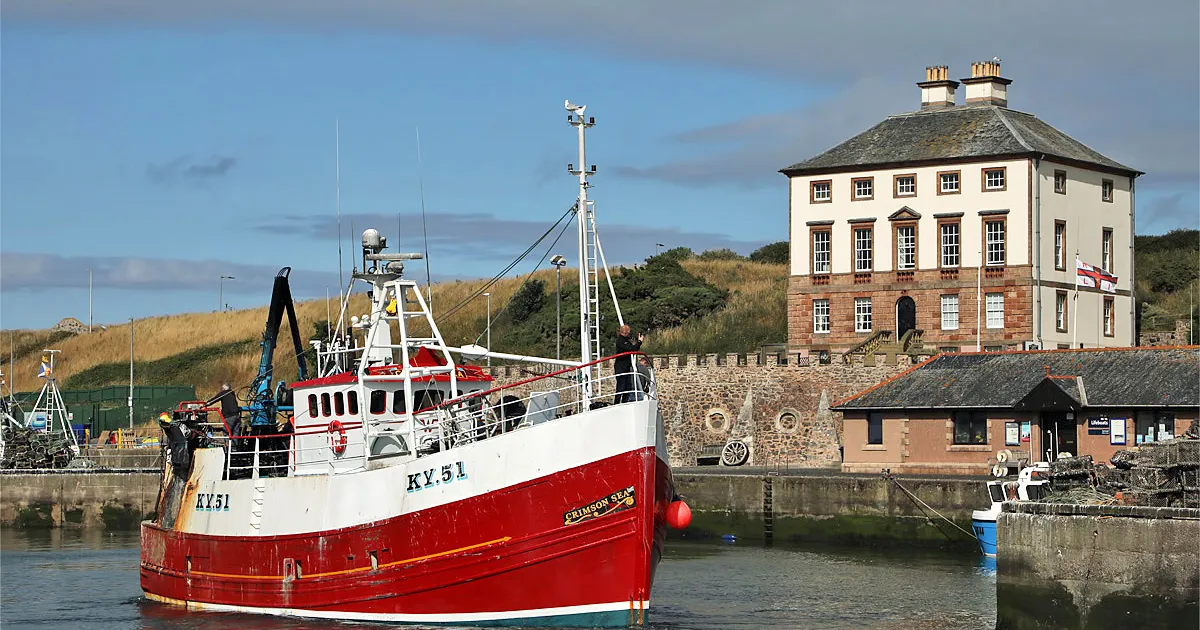
Campaign promises on bottom trawling are about to become negotiating text, and the seafood industry knows it. Seafood NZ chief executive Lisa Futschek says the sector has been a political football through the campaign and into coalition formation, and industry leaders are now working to shape whatever policy the talks produce.
They are right to worry. But the biggest obstacle facing any ban is not the fishing lobby. It is a Treaty settlement that most of the debate has simply ignored.
A big slice of the catch is on the table
Caretaker Fisheries Minister Shane Jones’ office says bottom trawl fisheries account for 70% of commercial catch, about $1.5 billion in exports and 9,000 jobs. MPI puts 68% of fish supply by volume as caught on or within a metre of the seabed.
In October, Opportunity leader Qiulae Wong said her party would “require an end to bottom trawling in sensitive areas, including the Hauraki Gulf, immediately” and progressively phase it out completely. Labour’s Chris Hipkins backed a phased ban and National’s Christopher Luxon said he was open to one, a sharp shift from both parties’ earlier opposition. ACT had already proposed a distinct Hauraki Gulf management area and levies pricing high-impact methods.
Now coalition talks are live, Opportunity is softening the sequencing. MP-elect Kayla Kingdon-Bebb, a former WWF NZ chief executive, says the party is “not talking about flipping a switch and ending things overnight, or even in five years”. She concedes deepwater species like hoki, ling and orange roughy are harder, noting 80-90% of that catch is exported. That is precisely why it matters to the export ledger.
The seabed data does not describe an emergency
The “bulldozing the ocean” framing runs into the government’s own science. A Fisheries NZ report published in April 2026 found trawling affected 1.7%-2.3% of total seafloor and 5.0%-6.8% of fishable area annually between 2008 and 2023. Tow numbers nearly halved, from 89,000 in 2010 to 55,000 in 2023, and the inshore footprint fell below 1% of the zone, the lowest in the series.
The historical picture was worse. A 2016 Stats NZ release found 51% of inshore and shelf seabed had been trawled between 1990 and 2011, and a 2024 report tracked the inshore footprint falling from 46,524 km2 in 2010 to 28,651 km2 in 2022. That is a long, steady decline, not an accelerating crisis. It does not excuse damaged areas like the Gulf, but it does undercut the case for a blanket ban date.
The settlement nobody priced in
Here is the thread that should worry negotiators. Moana New Zealand chairman Dean Moana says parties pushing bans while claiming to support Te Tiriti is unacceptable, and warns that if a coalition “materially undermined the rights and interests secured through the Settlement, we would expect to use all remedies available to us”. Sealord chair Jamie Tuuta warned rapid phase-outs could have devastating consequences for Maori, though Sealord says litigation is not its preferred first step.
Independent fisheries advisor Francisco Blaha identified this weeks ago, noting “a lot of Maori owned quota is in trawled fisheries that cannot be economically extracted by other gears”. In October, Moana NZ’s then-chief executive Steve Tarrant called the kingmaker push “irresponsible”.
This is a property-rights question, not just an environmental one. The 1992 settlement converted Treaty claims into quota, an asset iwi use to fund health, education and community programmes. A minor party’s campaign pledge that strips value from that asset invites exactly the kind of litigation and investment uncertainty business should fear most.
Better gear is stuck behind old rules
There is a smarter path. FloMo, modified trawl gear developed by Plant and Food Research with three fishing companies, achieves roughly 80% survival for non-target bycatch. Researchers argue legislation and underfunded ocean science, not fisher reluctance, are what slow adoption.
Blaha’s prescription is the sensible one. He backs Management Procedures, “pre-agreed rules that link changes to catch limits directly to data”, with no lobbying and no mid-crisis horse-trading. Bottom trawling, he argues, needs habitat-based management rather than a ban date.
What the coalition deal should actually say
The likely landing zone is clear enough. Fast action on genuinely damaged inshore areas like the Hauraki Gulf, seamount protection, and a funded push to get lower-impact gear into the water. What negotiators should avoid is a headline phase-out date that collides with settlement quota and hands the whole question to the courts.
For exporters, quota owners and the 9,000 people on the seafood payroll, the detail of that coalition text will matter far more than anything said on the campaign trail. A deal built on data and Treaty consultation holds up. One built on a slogan gets litigated.
Sources
- Newsroom: Fishing sector trying to steer bottom-trawling discussion as coalition talks loom (2026-11-15)
- NZ Herald: Bottom trawling: Why the Opportunity Party’s ‘healthy oceans’ bottom line could prove a negotiation sticking point (2026-11-12)
- RNZ: Why bottom trawling could be a top issue in forming the next government (2026-10-09)
- Newsroom: Act goes fishing for votes, leaving NZ First out at sea (2026-08-31)
- 1News: An end to bottom trawling can’t happen ‘overnight’ – Opportunity MP (2026-11-15)
- Fisheries NZ: AEBR 372 The extent and intensity of seabed contact by trawl gear, 1990 to 2023 (2026-04-29)
- Stats NZ: Commercial seabed trawling and dredging (2016-10-27)
- BusinessDesk: Maori fisheries groups warn bottom trawling ban could trigger legal action (2026-11-15)
- Science Media Centre: What’s missing from the fisheries debate? – Expert Reaction (2026-10-29)
- Newsroom: How do we solve a problem like bottom trawling? (2026-10-12)
Join the discussion
Add useful context, ask a good question, or challenge an idea — keep it specific and respectful.