

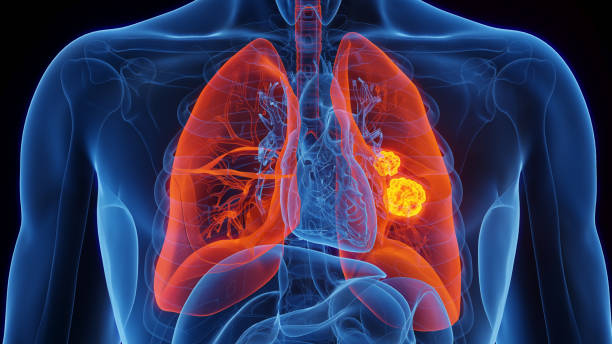
Asthma and Respiratory Foundation NZ is announcing its formal absorption of Lung Foundation NZ, strengthening the national voice on respiratory health.
According to Asthma and Respiratory Foundation NZ chief executive Letitia Harding, the move also represents a handover to champion a national lung cancer screening programme.
She said Health New Zealand has developed a proposed case for a national lung screening programme, but little progress has been made to advance it.
“The business case has been done, yet they seem to have stalled on implementation.”
“We screen for breast, cervical, and bowel cancer, yet the cancer that kills the most New Zealanders still has no screening programme.”
Around 85% of lung cancer cases stem from tobacco smoking, especially among those who started young, smoked heavily, or did so for many years.
“We know who is most at risk. We have the technology to detect it earlier,” Harding said.
“Now we need commitment.”
Health New Zealand’s proposed programme would target individuals aged 50-74 based on personal risk factors, prioritising those with substantial smoking histories.
Modelling indicates the programme could detect about 9,000 lung cancers and save over 6,000 lives over 20 years—roughly 300 lives annually.
Even with treatment advances, lung cancer survival rates lag far behind most other major cancers—partly because many cases are diagnosed at stage III or IV, often after an emergency department visit.
“We know that earlier detection is associated with less intensive treatment, lower costs, and better outcomes, so it should be a priority for the current – and incoming – government.”
For Lung Foundation NZ Board Chair Dalton Kelly, integrating the Lung Foundation’s efforts into the Asthma and Respiratory Foundation guarantees continued advocacy on a larger scale.
“The Lung Foundation was established to stand up for people facing one of the toughest diagnoses imaginable.”
“Placing that work within a 60-year-old national respiratory organisation gives it long-term strength at a time when screening and early detection are critical.”