

A hydrogen bet that doesn’t depend on hydrogen
Most hydrogen announcements are a bet on a market that doesn’t exist yet. This one isn’t. On 12 August 2026, Regional Development and Associate Energy Minister Shane Jones announced a $30 million Regional Infrastructure Fund package targeting hydrogen, with $15 million committed to Christchurch-based Aspiring Materials to build a commercial-scale plant in Southland at a total project cost of around $31 million.
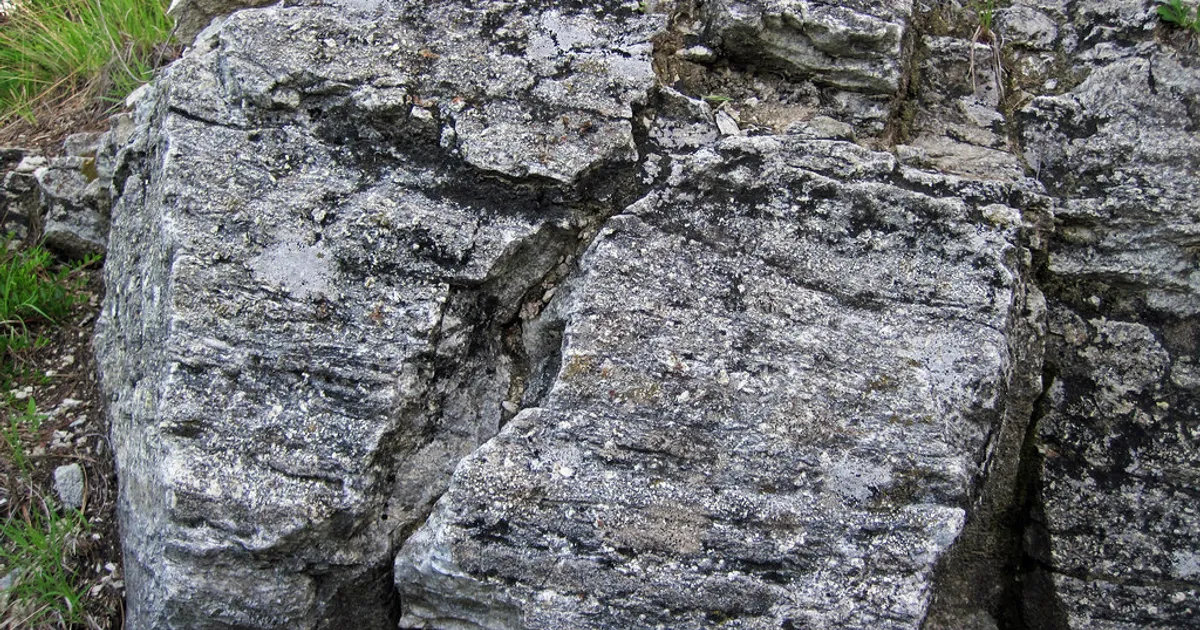
What makes Aspiring Materials different from the usual green hydrogen pitch is the process. The company has patented a method that takes olivine, a common greenish quarry rock, and breaks it down into magnesium hydroxide, reactive silica, nickel and iron. Hydrogen and oxygen come out as co-products. In other words, the plant earns its keep selling critical minerals used across Kiwi industry, and the hydrogen is a bonus.
Jones called it “home-grown technology with the potential to produce green hydrogen while undertaking the business’ core task of creating value from critical minerals”. That framing matters. The investment case does not stand or fall on the hydrogen price.
Why the economics work differently
Conventional green hydrogen uses renewable electricity to split water. The problem is efficiency and cost. MBIE’s December 2023 modelling put the levelised cost of green hydrogen at US$3.06-4.76 per kilogram in 2035, a range that spells out why electrolysis-based projects struggle to pencil out. Worse, converting electricity into hydrogen wastes a chunk of the energy, leaving an end-to-end efficiency of only 30 to 40 per cent, which is exactly why sceptics argue hydrogen competes badly for scarce renewable power.
The Aspiring Materials route sidesteps that entire argument. Hydrogen emerges from a minerals-processing operation that has its own revenue stream regardless of what hydrogen sells for. That is a materially stronger footing than a pure hydrogen play.
Just as important for a government wary of public-spending scrutiny, the $15 million is structured as a mix of loan and equity rather than a grant, so the Crown keeps a claim on any upside. And the money isn’t fresh spending. It comes from $80 million already ring-fenced inside the RIF for critical minerals, so this is a reallocation, not a new fiscal commitment.
Not a concept, a working pilot
The other thing separating this from most hydrogen hype is that the technology already runs. Aspiring Materials opened the first stage of a Christchurch pilot plant in 2025 processing 250 kilograms of rock a day, and a second stage has lifted that to a continuous tonne a day. The Southland commercial plant is the next step up, not a leap into the unknown.
Where would the hydrogen go? Jones was specific: heavy transport where battery weight and range are problems, and heavy industry needing high temperatures or specific chemical reactions, plus aviation and marine. That is the correct use case. Hydrogen’s role in New Zealand was never passenger cars or grid power. MBIE’s modelling projected industrial feedstock making up 75 per cent of hydrogen demand by 2035, with total domestic demand reaching 180,000 tonnes a year by 2035.
The regulatory hole Jones admitted
The catch is that New Zealand still has no settled rulebook for this sector. Jones said as much, telling the Christchurch hydrogen hui he [“understand[s] the need for certainty” and intends to seek in-principle Cabinet decisions “in the coming weeks”](https://www.scoop.co.nz/stories/PA2608/S00094/30m-rif-package-targets-hydrogen-opportunities.htm). MBIE consulted on regulatory proposals for natural and orange hydrogen through May and June 2025, but nothing is locked in. Without a framework, project finance and insurance for hydrogen infrastructure stay harder and more expensive than they should be.
There is also an election on 7 November, and Jones is openly asking industry to back politicians who will clear the regulatory path. Read that how you like.
What business should watch
This fits a pattern of escalating hydrogen commitments, including the $112.3 million South Taranaki green hydrogen hub that broke ground in February 2026. But the Aspiring Materials deal is the one worth watching, because it attacks the sector’s core weakness. Meanwhile researchers are also probing naturally occurring geological hydrogen as a potentially cheaper source again. The live question now is whether Cabinet delivers the regulatory certainty Jones promised before the campaign swallows it. Get that right, and heavy industry finally has a decarbonisation pathway that runs on commercial sense rather than subsidy.
Sources
- $30m RIF Package Targets Hydrogen Opportunities (2026-08-12)
- Shane Jones puts $30 million into hydrogen from quarry waste (2026-08-12)
- $15m for critical minerals and hydrogen plant in Southland (2026-08-12)
- Construction starts on $112m green hydrogen hub (2026-02-05)
- NZ could be sitting on abundant and cheap natural hydrogen (2025-05-29)
Join the discussion
Add useful context, ask a good question, or challenge an idea — keep it specific and respectful.